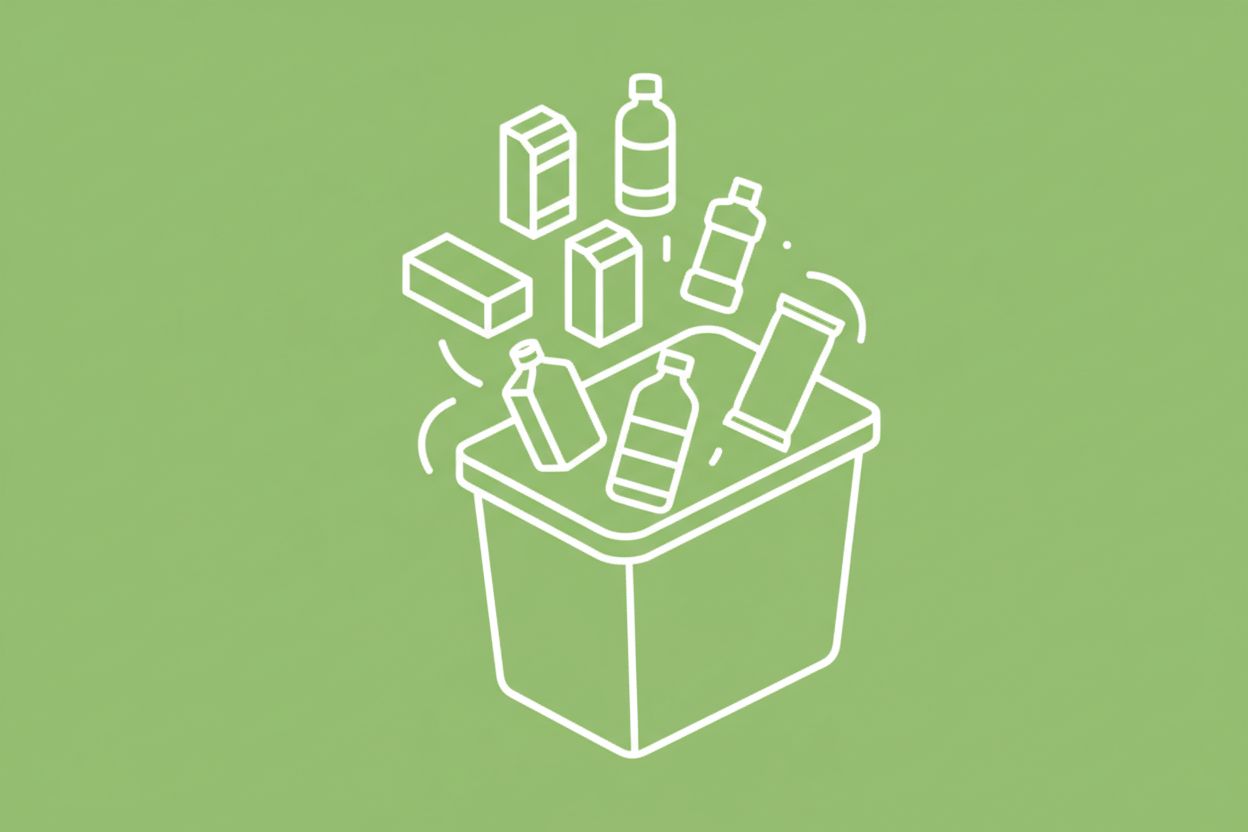
A Producer Responsibility Organisation (PRO) is a group set up by companies to manage the waste from their products after people are done using them, making sure these products are collected, recycled, or disposed of properly.
PROs play a key role in reducing pollution and saving resources by organizing waste collection and recycling efforts that keep materials in use longer. By working together, producers and PROs make it easier for all of us to recycle and help protect the environment for future generations.
Definition: producer responsibility organisation (PRO)
A producer responsibility organisation is a group formed by companies to handle the waste made by their products after use.
These groups make sure that used items like packaging, electronics, or batteries are collected and processed properly so they don’t harm the environment. By managing waste this way, they help recycle materials and support a system where resources are reused instead of wasted.
Producer responsibility organisations manage waste from used products. They make sure materials are collected and recycled properly.
Imagine you finish using an old phone and instead of throwing it in the trash, you drop it off at a special collection point. The organisation behind this point is a producer responsibility organisation, working to gather old phones and send them to recycling centers. This way, valuable materials like metals and plastics get reused, and harmful waste doesn’t pollute the environment.
Understanding the framework behind collective producer efforts
Have you ever wondered how businesses come together to share responsibility for waste? Many industries join forces to handle the environmental impact of their products once they reach the end of their life. This collaboration helps spread the costs and efforts involved in recycling and waste management.
At the heart of this approach lies the principle that producers should not act alone when it comes to managing post-consumer waste. By forming a Producer Responsibility Organisation (PRO), companies create a system that supports efficient collection, recycling, and disposal of products.
This structure encourages accountability and helps improve recycling rates by pooling resources and expertise. It also simplifies compliance with regulations, making it easier for producers to meet environmental goals without duplicating efforts.
Such collective action is particularly useful in sectors where products are complex or widespread, like electronics or packaging. Working through a PRO, producers can ensure that sustainable practices are applied consistently and effectively.
This model turns individual responsibility into shared success. Producer Responsibility Organisations play a key role in advancing circularity and sustainability in today’s economy.
7 examples on how companies manage product end-of-life responsibility
Many companies take active steps to handle the environmental impact of their products after use. Here are some ways they organize and support collection, recycling, and reuse efforts:
While some companies lead with robust systems that close the loop on materials, others still rely on less structured waste management. This contrast highlights the growing importance of organized producer responsibility in achieving true circularity.
Terms related to producer responsibility systems
Understanding key terms helps make sense of how companies manage waste and recycling responsibly. Here are some important words to know:
Frequently asked questions about Producer Responsibility Organisation (PRO)
Understanding how Producer Responsibility Organisations work can help your business improve sustainability and comply with regulations.
How does a Producer Responsibility Organisation (PRO) help with recycling?
A PRO manages the collection and recycling of products after use, ensuring materials are properly processed and kept out of landfills. This supports a circular economy by turning waste into new resources.
Who is responsible for the costs involved with a PRO?
Typically, producers or manufacturers pay fees to the PRO based on the amount and type of products they place on the market. This cost covers collection, recycling, and reporting services.
Can small businesses participate in a PRO?
Yes, PROs often provide solutions tailored for small businesses to help them meet legal requirements and contribute to sustainability without heavy burdens.
What happens if a company does not join a PRO?
Companies may face fines or legal penalties for non-compliance. Joining a PRO helps avoid these risks and shows commitment to environmental responsibility.
How does a PRO support circular economy goals?
By ensuring products are collected and recycled efficiently, PROs reduce waste and encourage resource reuse, which is key to creating a sustainable, circular system.
Are PRO fees fixed or do they change?
Fees can vary depending on product type, volume, and regional regulations. PROs aim to keep fees fair while covering the costs of effective waste management and recycling.