Our blog
Glossary
Key terms and definitions related to circularity, environmental responsibility, and sustainable practices - explained simply and clearly.

What is ship-in-own-container?
Ship-in-Own-Container" means using reusable shipping containers owned by a company, cutting single-use packaging, reducing waste, and boosting circular economy efforts in shipping.


What are platinum group metals (PGMs)?
Platinum Group Metals help cut vehicle pollution, boost clean energy like fuel cells, and improve tech durability. Recycling them supports a circular economy and protects the environment.

What is EPR for e-commerce sellers?
EPR for e-commerce sellers means registering, reporting, paying fees, and labeling to manage product waste responsibly in Europe, avoiding fines and boosting sustainability.
What is a distance seller (EPR)?
A Distance Seller under EPR sells products across borders and must manage their waste responsibly, ensuring recycling and supporting a cleaner environment no matter where customers live.

What is a marketplace facilitator?
Marketplace facilitators connect buyers and sellers online, promote eco-friendly products, optimize shipping to reduce waste, support reuse and recycling, and help drive circular economy goals.
What is cross-border e-commerce (EPR)?
Cross-Border EPR makes online sellers responsible for their packaging waste across countries, promoting recycling, reducing pollution, and supporting a circular economy in growing e-commerce markets.

What is silicon in electronics?
Silicon chips power our devices and are abundant and non-toxic. Recycling them reduces waste and energy use. Cleaner production and better recycling make electronics greener and more sustainable.

What is material criticality assessment?
Material Criticality Assessment identifies materials vital yet at risk of shortage, guiding smarter use, recycling, and alternatives to support sustainability and a circular economy.
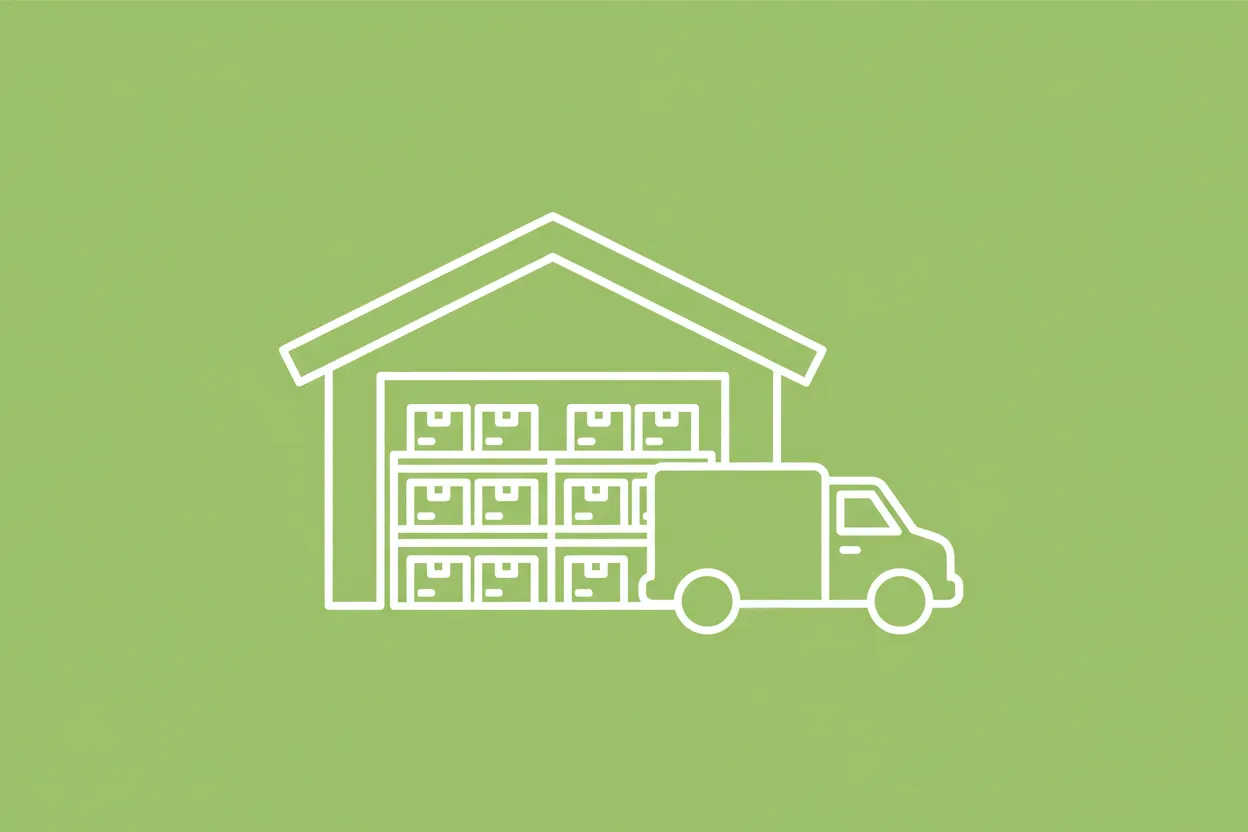
What is a fulfilment house?
Fulfilment houses boost sustainability by optimizing shipping, using eco-friendly packaging, managing returns, and reducing waste—helping businesses and customers support a circular economy.