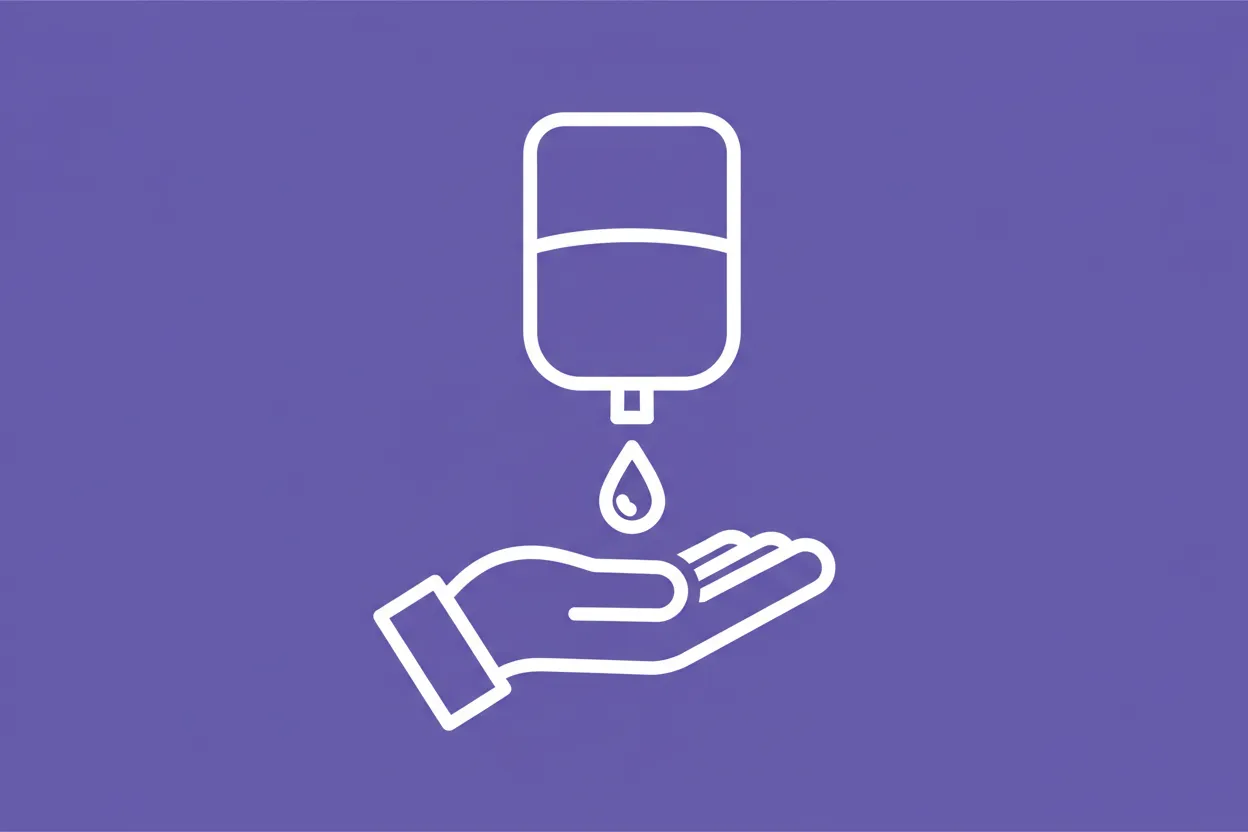
Picture reaching out to wash your hands without touching a soap dispenser—this effortless action involves a device known as an automatic dispenser (WEEE). These machines release products like soap, drinks, or snacks without anyone pressing a button.
When you grab a snack from a vending machine or get soap from a touchless dispenser, the electronics inside mean these devices need special care when thrown away. In Europe, rules require companies to take responsibility for collecting and recycling automatic dispensers properly, keeping harmful waste out of nature.
Definition: Automatic dispensers (WEEE)
Automatic dispensers (WEEE) are machines that release items like soap, drinks, or snacks without needing someone to manually operate them. In Europe, these devices are treated as electrical and electronic equipment under the WEEE Directive, which ensures they are properly collected and recycled to reduce waste.
Automatic dispensers (WEEE) are machines that release items without manual operation. They fall under the WEEE Directive to ensure proper recycling and waste management.
Think of a soap dispenser in a public restroom that automatically releases soap when you put your hand under it. Because it has electronic parts, it must be registered and recycled properly under the WEEE rules to keep harmful waste out of the environment.
How automatic dispensers fit into electronic waste rules
Have you ever thought about what happens to vending machines or snack dispensers when they break? These automatic dispensers are considered electronic devices and have special rules for disposal in the EU. The WEEE Directive helps manage their waste properly.
The WEEE Directive, set up by the EU, groups electronic items into categories to make recycling easier. Automatic dispensers belong to the "Large equipment" group, which includes devices bigger than 50 cm. This group covers many household and professional electronic goods, ensuring each is recycled with care.
Properly sorting these dispensers helps reduce harmful waste in landfills. It also encourages recycling valuable materials, which supports a circular economy. This means less pollution and better use of resources.
Including automatic dispensers in the WEEE Directive shows the EU’s focus on sustainability. It’s a step toward greener, cleaner communities for everyone.
7 examples on electronic dispensing devices and their waste challenges
Here are some common types of electronic dispensing devices that contribute to waste and require responsible recycling:
- Vending machines: These devices dispense snacks and drinks automatically. Their complex electronic parts mean proper recycling is essential to recover valuable materials.
- Soap dispensers: Often found in public restrooms, these use sensors and electronics to dispense soap. When discarded, their electronic components must be handled as WEEE waste.
- Ticket dispensers: Used in parking lots or transport stations, these machines generate electronic waste due to their circuit boards and power supplies.
- Pharmaceutical dispensers: Automatic pill dispensers contain electronic controls that must be recycled responsibly to avoid hazardous material release.
- Water dispensers: These coolers or purifiers use electronics to regulate temperature and flow, posing recycling challenges because of mixed materials.
- Fuel dispensers: Gas station pumps have electronic systems for measurement and payment, requiring careful recycling to recover metals and avoid pollution.
- ATM machines: Automated teller machines include complex electronics and screens that contribute to electronic waste streams needing proper disposal.
While these devices make daily life easier, their electronic parts create a recycling challenge. Unlike simple plastic items, they contain mixed materials and hazardous components that require special handling to protect the environment.
Terms related to electronic waste dispensers
Electronic waste is one of the fastest-growing waste streams globally, making proper management crucial.
| Term | Description |
|---|---|
| Waste Electrical and Electronic Equipment (WEEE) | Discarded electrical or electronic devices subject to specific recycling rules. |
| European Union WEEE Directive | Legislation that requires producers to take responsibility for the collection and recycling of WEEE. |
| Electrical and Electronic Equipment (EEE) | Devices powered by electricity, ranging from small gadgets to large appliances. |
| Recycling of Electrical and Electronic Equipment | Process of recovering valuable materials from discarded electronics to reduce waste. |
| Producer Responsibility | Principle where manufacturers must manage the environmental impact of their products after use. |
| Environmental Impact of E-Waste | Harm caused by improper disposal of electronics, including pollution and resource loss. |
| Circular Economy | An approach to keep products and materials in use for as long as possible through reuse and recycling. |
| Hazardous Substances | Toxic materials found in electronics, like lead and mercury, that require careful disposal. |
| Collection Systems | Methods for gathering used electronic devices for recycling or safe disposal. |
| Recovery Rate | The percentage of electronic waste successfully recycled or reused compared to total waste. |
Frequently asked questions on automatic dispensers and WEEE
Here are clear answers to common questions about automatic dispensers and Waste Electrical and Electronic Equipment (WEEE).
What are automatic dispensers in the context of WEEE?
Automatic dispensers are electronic devices that release products like soap or sanitizer. Since they contain electrical components, they fall under WEEE rules for proper disposal and recycling.
What is Waste Electrical and Electronic Equipment (WEEE)?
WEEE refers to discarded electrical and electronic devices. It includes anything from fridges to automatic dispensers that need special recycling to avoid environmental harm.
How does the European Union WEEE Directive affect automatic dispensers?
The EU WEEE Directive requires manufacturers to take responsibility for recycling electronic products, including automatic dispensers, ensuring they don’t end up as harmful waste.
Why is producer responsibility important in WEEE management?
Producers must manage their products’ end-of-life by organizing collection and recycling. This helps reduce waste and promotes a circular economy by reusing valuable materials.
What environmental impacts can come from improper disposal of automatic dispensers?
If not recycled properly, automatic dispensers can release hazardous substances into soil and water, harming ecosystems and human health.
How does recycling of electrical and electronic equipment work?
Recycling breaks down devices into materials like metals and plastics, which can be reused to make new products, reducing the need for raw resources.
What role does the circular economy play in managing WEEE?
The circular economy encourages designing products like automatic dispensers to be repairable and recyclable, keeping materials in use longer and cutting waste.
