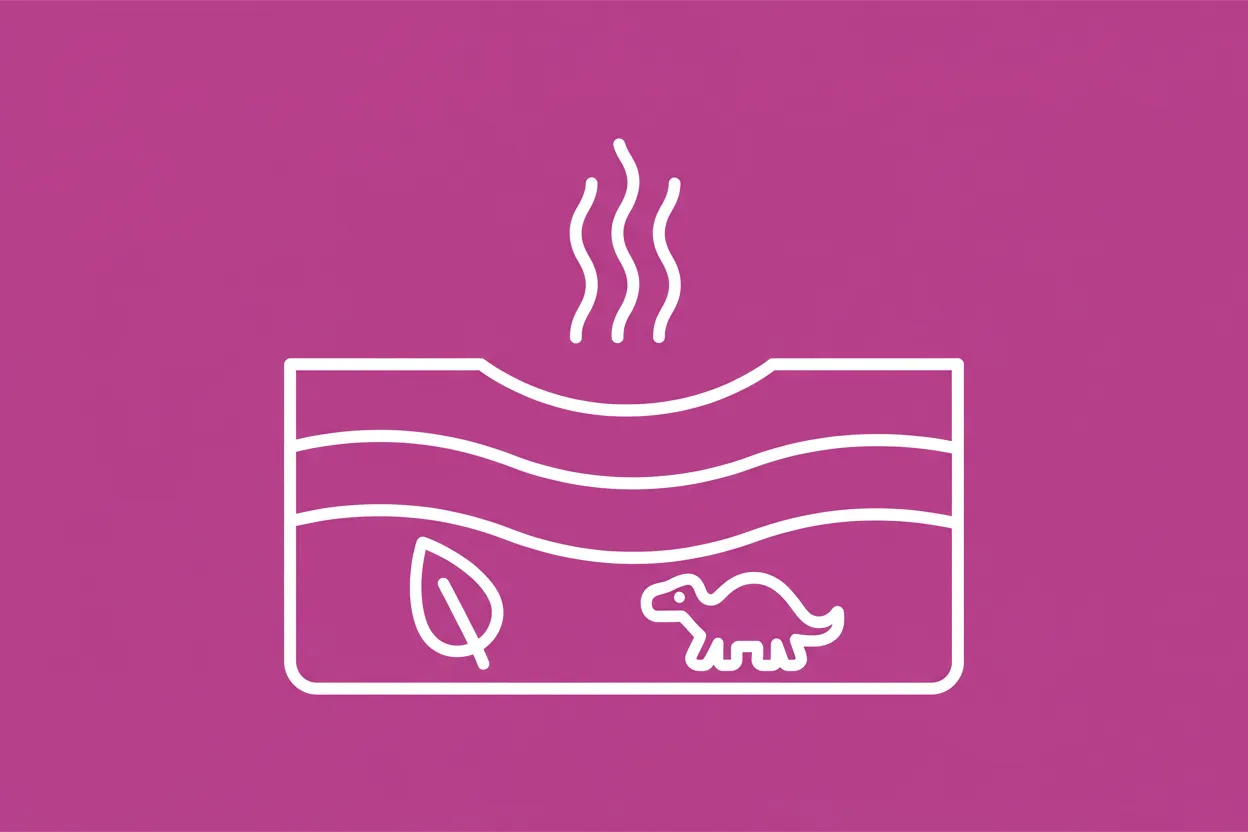
The energy we use every day often comes from deep underground, where ancient plants and animals once lived. Fossil fuels are natural energy sources formed from these remains, transformed over millions of years into coal, oil, and natural gas that power cars, factories, and homes.
Burning these fuels releases gases that trap heat in the atmosphere, causing climate change and environmental harm. Because fossil fuels take millions of years to form, they cannot be replaced quickly, making it important to find cleaner, renewable energy alternatives.
Definition: fossil fuels
Fossil fuels are natural energy sources formed from ancient plants and animals that turned into coal, oil, and natural gas over millions of years. We burn them to produce energy for electricity, transportation, and industry, but this releases greenhouse gases that harm the environment.
Burning fossil fuels releases greenhouse gases that harm the environment. They are energy sources formed from ancient plants and animals over millions of years.
Think about driving a car that uses gasoline made from fossil fuels. That fuel powers the engine but also releases gases that warm the planet. Switching to an electric car charged with renewable energy would cut down those emissions and help protect the Earth.
How ancient life created today’s energy sources
What’s the story behind the coal, oil, and gas that fuel so much of our world? These fossil fuels started as plants and tiny sea creatures millions of years ago. Their remains settled underwater, covered by mud, setting the stage for a long transformation.
Over time, layers of sediment built up, pressing down and heating these organic materials. This slow, natural process changed them into energy-rich fossil fuels. Coal came mainly from swampy forests, while oil and natural gas formed from microscopic sea life. It took millions of years to create these fuels, which is why they’re called non-renewable resources.
Burning fossil fuels releases energy by combining stored carbon with oxygen, but it also produces carbon dioxide. This gas traps heat in the atmosphere, driving climate change and urging us to find cleaner alternatives.
Fossil fuels hold stories of ancient ecosystems but come with environmental costs. Using them wisely and shifting to renewables is key to a healthier planet.
Have you thought about how ancient forests and oceans power our lives today? This knowledge can encourage better choices for a greener future.
6 examples on energy sources and their impact
Here are some common energy sources and how they affect the environment and sustainability:
- Coal: A traditional energy source that releases large amounts of greenhouse gases when burned. It also produces ash waste that can pollute land and water.
- Natural gas: Burns cleaner than coal but still emits carbon dioxide. It’s often used for heating and electricity but relies on extraction methods that can damage ecosystems.
- Oil: Widely used for transportation fuels and industry. Oil spills and leaks can cause severe environmental harm, and its extraction contributes to habitat destruction.
- Solar power: A renewable energy source that uses sunlight to generate electricity. It reduces waste and pollution but requires materials that must be recycled responsibly.
- Wind energy: Generates power without emissions by harnessing wind through turbines. The manufacturing and disposal of turbine parts need sustainable planning to minimize waste.
- Nuclear energy: Produces large amounts of electricity with low carbon emissions. However, it creates radioactive waste that requires careful, long-term management.
While some energy sources produce pollution and waste that challenge recycling and circularity, others offer cleaner alternatives that still need thoughtful design to minimize environmental impact. This contrast highlights the importance of shifting toward sustainable energy systems.
Terms related to energy sources from ancient organic matter
These energy sources have shaped industries for over a century but are now facing challenges due to their environmental impact.
- Carbon emissions: The release of greenhouse gases that contribute to global warming and air pollution.
- Energy transition: The global shift from traditional energy sources to cleaner, renewable options.
- Oil and gas industry: Companies involved in extracting and selling energy from underground reserves.
- Air pollution: Harmful substances released into the air, often from burning traditional energy sources, affecting health and ecosystems.
- Fossil fuel reserves: Natural deposits of carbon-based materials used for energy, limited and non-renewable.
Frequently asked questions on fossil fuels
Here are some common questions about fossil fuels and their impact on our world.
What are fossil fuels?
Fossil fuels are natural resources like coal, oil, and natural gas formed from ancient plants and animals. They have powered much of our energy but create waste and pollution when burned.
How do fossil fuels affect climate change?
Burning fossil fuels releases carbon emissions, which trap heat in the atmosphere, causing global temperatures to rise and leading to climate change.
What is carbon emissions?
Carbon emissions refer to carbon dioxide released from burning fossil fuels. This greenhouse gas contributes significantly to global warming and environmental damage.
Why is switching to renewable energy important?
Renewable energy sources like solar and wind don’t produce harmful emissions and are sustainable, helping reduce pollution and fight climate change.
What is the energy transition?
The energy transition means shifting from fossil fuels to cleaner, renewable energy sources to create a more sustainable and circular energy system.
How do fossil fuels cause air pollution?
Burning fossil fuels releases pollutants like sulfur dioxide and nitrogen oxides, which can harm human health and damage ecosystems.
What environmental impacts come from fossil fuel use?
Besides air pollution and climate change, fossil fuel extraction can harm land, water, and wildlife, disrupting natural ecosystems.
Are fossil fuel reserves running out?
Some fossil fuel reserves are being depleted, making it essential to use resources wisely and invest in sustainable energy options.
What role does the oil and gas industry play in sustainability?
This industry is adapting by investing in cleaner technologies and supporting circular economy practices to reduce waste and environmental harm.
