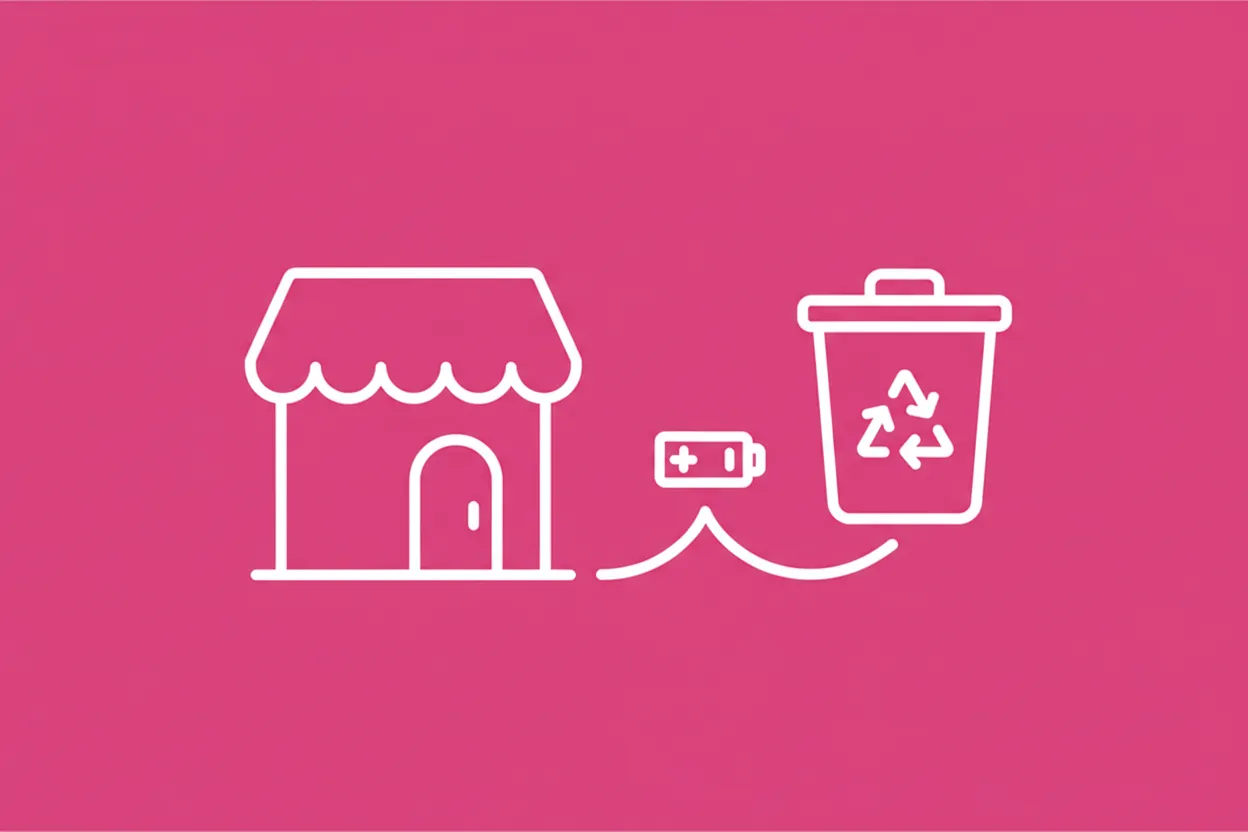
You walk into your favorite store and buy a new gadget, but did you know the store has a role in what happens to that gadget once it’s no longer useful? Retailer (EPR obligations) means that stores must take responsibility for managing the waste of the products they sell, making sure those items get recycled or disposed of properly.
Think about a local shop selling batteries or electronics—by law, they must register with authorities, report their sales, and contribute to recycling programs. This way, the retailer helps keep harmful waste out of landfills and supports a cleaner environment.
When retailers join recycling efforts and offer take-back programs or eco-friendly packaging, they’re not just selling products—they’re helping close the loop in a circular economy. Wouldn’t you feel good knowing your purchase supports a greener future?
Definition: retailer (EPR obligations)
Retailer (EPR obligations) means that stores selling products have to manage the waste of those products after customers use them. They must register with authorities, join recycling programs, report what they sell, pay fees, and ensure proper disposal of items like packaging and electronics.
Retailer (EPR obligations) means stores must manage product waste after sale. They register, report sales, pay fees, and support recycling programs.
For example, a local electronics shop must register with waste authorities and pay fees to a recycling group. When customers buy batteries, the store helps make sure those batteries are collected and recycled properly instead of thrown away.
How retailer responsibilities evolved under extended producer responsibility
What role do retailers play in managing product waste? They are becoming essential partners in reducing environmental impact. Extended producer responsibility (EPR) now includes retailers, making them accountable for their products’ lifecycle.
EPR started in the 1990s to shift waste management responsibility onto producers. Over time, laws expanded to cover retailers, especially in Europe. For example, France’s AGEC Law requires retailers to register with authorities and label products for EPR compliance. The UK also mandates retailer participation in packaging recycling efforts.
Including retailers helps close the loop in the circular economy. When retailers ensure packaging is recyclable, it supports waste reduction goals. This shift encourages more sustainable product designs and responsible consumption.
Retailer involvement in EPR strengthens recycling systems and cuts landfill waste. Their role is key to building a greener future. 4 examples on how stores handle product waste responsibilities
Here are some ways stores take on the responsibility to manage waste and promote recycling:
- Product take-back programs: Stores offer customers a place to return used products for proper recycling. This helps reduce landfill waste and supports circularity.
- Eco-friendly packaging: Retailers choose packaging that is easier to recycle or made from recycled materials. This reduces environmental impact and waste generation.
- Collaboration with recyclers: Stores partner with recycling companies to ensure collected waste is processed correctly. This helps close the loop on material reuse.
- Consumer education: Retailers provide information to shoppers about how to recycle or dispose of products responsibly. This encourages sustainable habits and reduces contamination.
In some cases, businesses only focus on selling products without addressing waste, leading to more pollution. When stores actively manage waste, it creates a better balance between consumption and sustainability.
Key terms linked to seller responsibilities under EPR
Many sellers play a crucial role in managing waste and supporting sustainability through their EPR duties.
| Term | Description |
|---|---|
| Extended Producer Responsibility (EPR) | A policy approach where producers are responsible for the entire lifecycle of their products, including waste management. |
| Product Stewardship | A strategy where all parties involved in a product’s life share responsibility for reducing its environmental impact. |
| Circular Economy | An economic system focused on reusing, repairing, and recycling materials to minimize waste and resource use. |
| Packaging Waste Directive | Regulations aimed at reducing packaging waste and encouraging recycling and reuse of packaging materials. |
| Supply Chain Responsibility | The obligation of all supply chain members to ensure products meet environmental and sustainability standards. |
| Environmental Compliance | Adhering to laws and regulations designed to protect the environment, often required for sellers under EPR rules. |
Frequently asked questions on retailer EPR obligations
Here are key questions retailers often ask about their roles and responsibilities under Extended Producer Responsibility (EPR) rules.
What is Extended Producer Responsibility (EPR)?
EPR means retailers must take responsibility for the entire lifecycle of their products, especially waste management and recycling after sale. It encourages reducing waste and designing products for easier recycling.
How does EPR affect waste management for retailers?
Retailers must ensure proper collection, sorting, and recycling of waste from their products, often by joining or funding take-back schemes. This helps reduce landfill waste and promotes circularity.
What role does product stewardship play in EPR?
Product stewardship means retailers share responsibility with producers and consumers to minimize environmental impacts, by managing product design, use, and end-of-life disposal sustainably.
How can retailers support a circular economy?
Retailers can offer products made from recycled materials, encourage reuse and repair, and participate in take-back programs, keeping materials in use longer and reducing resource extraction.
What is the Packaging Waste Directive and how does it relate to retailers?
This directive requires retailers to manage the packaging waste they generate, promoting recycling targets and reducing packaging materials to lower environmental harm.
What supply chain responsibilities do retailers have under EPR?
Retailers must ensure their suppliers comply with environmental regulations, use sustainable materials, and support transparent reporting on product lifecycle impacts.
How can retailers adopt sustainable retail practices under EPR?
By choosing eco-friendly products, reducing packaging, educating consumers, and collaborating with recycling programs, retailers can boost sustainability and meet EPR goals effectively.
