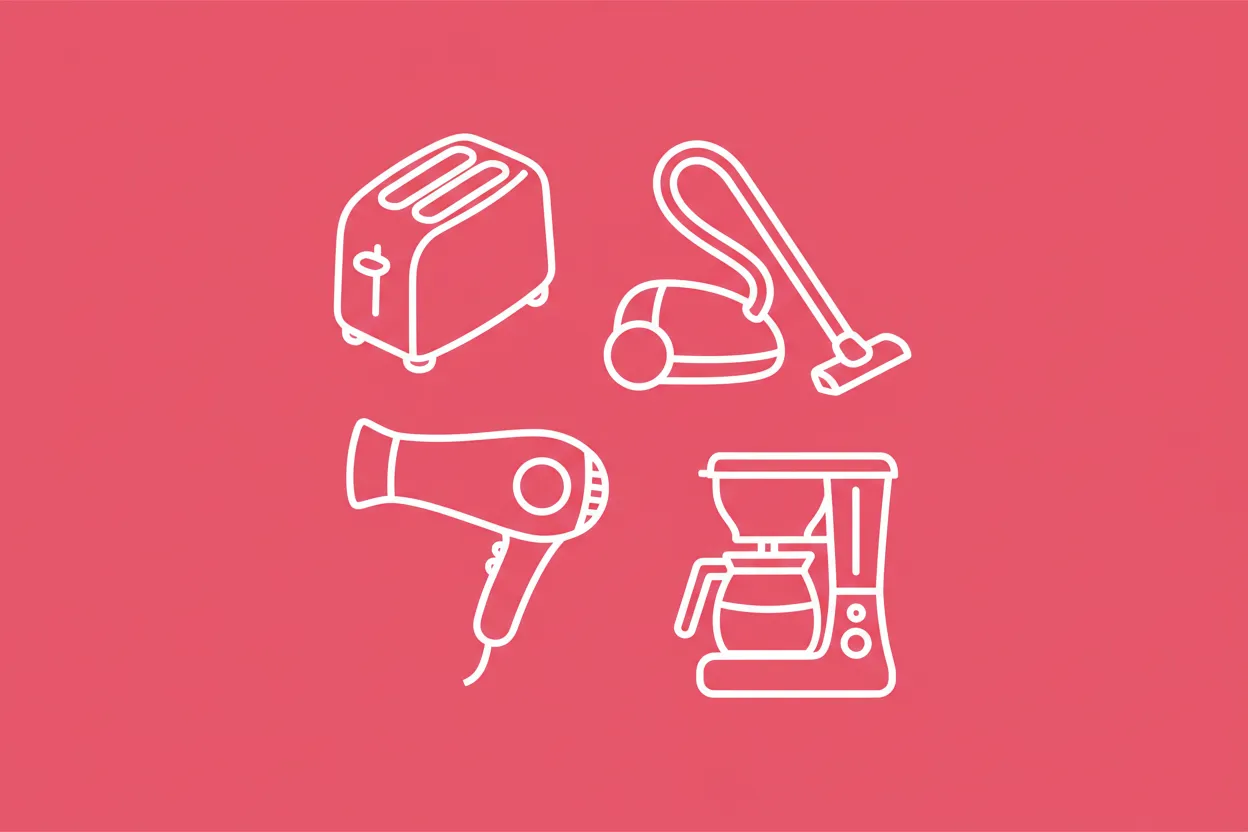
Many everyday electrical gadgets quietly help us with cooking, cleaning, or personal care at home. Small Household Appliances (WEEE) fit right into this group, including devices like toasters, vacuum cleaners, and hairdryers.
These appliances might seem small, but their impact on the environment can be big if not handled properly. That’s why the WEEE Directive steps in to make sure they’re collected and recycled responsibly.
By following these rules, we keep valuable materials in use and stop harmful substances from polluting our planet. Have you ever wondered what happens to your old coffee maker or electric toothbrush once you toss it out?
Definition: Small household appliances (WEEE)
Small household appliances (WEEE) are everyday electrical devices used at home for tasks like cooking, cleaning, and personal care. They include items such as vacuum cleaners, toasters, hairdryers, and electric toothbrushes. These appliances are covered by the WEEE Directive, which ensures they are recycled properly to protect the environment.
The WEEE Directive makes sure small household appliances are recycled properly to protect the environment. Small household appliances (WEEE) are everyday electrical devices used at home for cooking, cleaning, and personal care.
For example, when you replace your old toaster, instead of throwing it in the trash, you take it to a special collection point. This helps recover valuable materials and keeps harmful substances from polluting the environment, following the rules set by the WEEE Directive.
Tracing the journey of small household appliances through time
How did everyday appliances transform our homes over the last century? Early electric gadgets like toasters and vacuum cleaners changed how people handled chores, making life easier and faster. These innovations marked a big shift from manual work to electrical convenience.
Back in the 1920s, events like the Salon des Arts Ménagers in Paris brought new home technologies to the spotlight. Millions visited this exhibition to see the latest in household appliances and home design. It helped people learn about new products and influenced how homes were arranged and equipped with appliances.
After World War II, the appetite for small appliances grew rapidly. Brands in Europe expanded their product lines to meet rising demand, introducing items like hand-held blenders and electric food slicers. This period set the stage for a broader range of household gadgets.
Environmental awareness led to important changes, such as the EU’s WEEE Directive in 2003. It pushed for better recycling and waste management of small appliances, encouraging designs that make recycling easier. This shows how sustainability is now a key part of appliance development and disposal.
5 examples on common items found in everyday electronics waste
Here are some typical devices that often end up as waste but can be managed better with proper recycling and EPR programs:
- Electric toothbrushes: These contain small batteries and plastic parts, making proper disposal important to recover valuable materials and avoid pollution.
- Hairdryers: Made with metal and plastic components, recycling helps reduce landfill waste and recovers metals like copper.
- Blenders: Consist of motors and plastic housing where recycling can save resources and lower environmental impact.
- Electric shavers: Small motors and batteries inside mean responsible disposal supports circularity by reclaiming materials.
- Coffee makers: These combine metals, plastics, and electronics, so recycling prevents hazardous waste from entering the environment.
Many people think throwing these away is harmless since they’re small, but their combined impact is big. Recycling and EPR policies ensure valuable materials don’t get wasted and harmful substances don’t pollute.
Terms related to common household electronics and waste
Electronic devices contribute significantly to waste streams, making proper management essential for sustainability.
- Electrical and Electronic Equipment (EEE): Devices powered by electricity, like toasters or hairdryers, that require careful disposal.
- Waste Electrical and Electronic Equipment (WEEE) Directive: EU law promoting recycling and safe disposal of electronic waste.
- Electronic Waste Recycling: Process of collecting and reprocessing old electronics to recover valuable materials.
- Circular Economy in Electronics: Designing and managing devices to keep materials in use longer and reduce waste.
- Resource Recovery and Reuse: Extracting useful materials from discarded electronics to make new products.
- Eco-design and Product Sustainability: Creating electronics with less environmental impact and easier recycling.
- Hazardous Substances in Electronics: Toxic materials, like lead and mercury, that need special handling in waste.
- Extended Producer Responsibility (EPR): Policy making manufacturers responsible for their products’ end-of-life management.
- Waste Management Regulations: Rules ensuring the safe and environmentally friendly disposal of electronic waste.
Frequently asked questions on small household appliances (WEEE)
Here are clear answers to common questions about small household appliances and their impact on the environment.
What is electrical and electronic equipment (EEE)?
EEE includes any device powered by electricity or batteries, like toasters, hairdryers, or smartphones. These products often contain valuable materials but can create waste if not properly managed.
What does the waste electrical and electronic equipment (WEEE) Directive do?
The WEEE Directive sets rules for collecting, recycling, and recovering electronic waste to reduce pollution and encourage recycling. It helps ensure small appliances don’t end up harming the environment.
Why is electronic waste recycling important?
Recycling electronic waste recovers valuable materials like metals and plastics, reducing the need for new raw materials. It also prevents hazardous substances from polluting land and water.
How does the circular economy apply to electronics?
In a circular economy, electronics are designed, used, and recycled so materials stay in use longer. This reduces waste and resource extraction, making products more sustainable.
What is resource recovery and reuse in electronics?
Resource recovery means taking useful materials from old electronics to make new products. Reuse involves fixing or repurposing devices so they don’t become waste too soon.
How does eco-design improve product sustainability?
Eco-design means creating appliances that last longer, use fewer resources, and are easier to recycle. This approach helps reduce environmental impact throughout the product’s life.
What hazardous substances are found in electronics?
Some small appliances contain harmful materials like lead, mercury, or flame retardants. Proper disposal and recycling prevent these toxins from harming people and nature.
What is extended producer responsibility (EPR)?
EPR makes manufacturers responsible for the whole life cycle of their products, including take-back and recycling. This encourages better product design and less waste.
What waste management regulations affect small household appliances?
Regulations like the WEEE Directive require proper collection and treatment of electronic waste. They ensure small appliances are handled safely to protect health and the environment.
