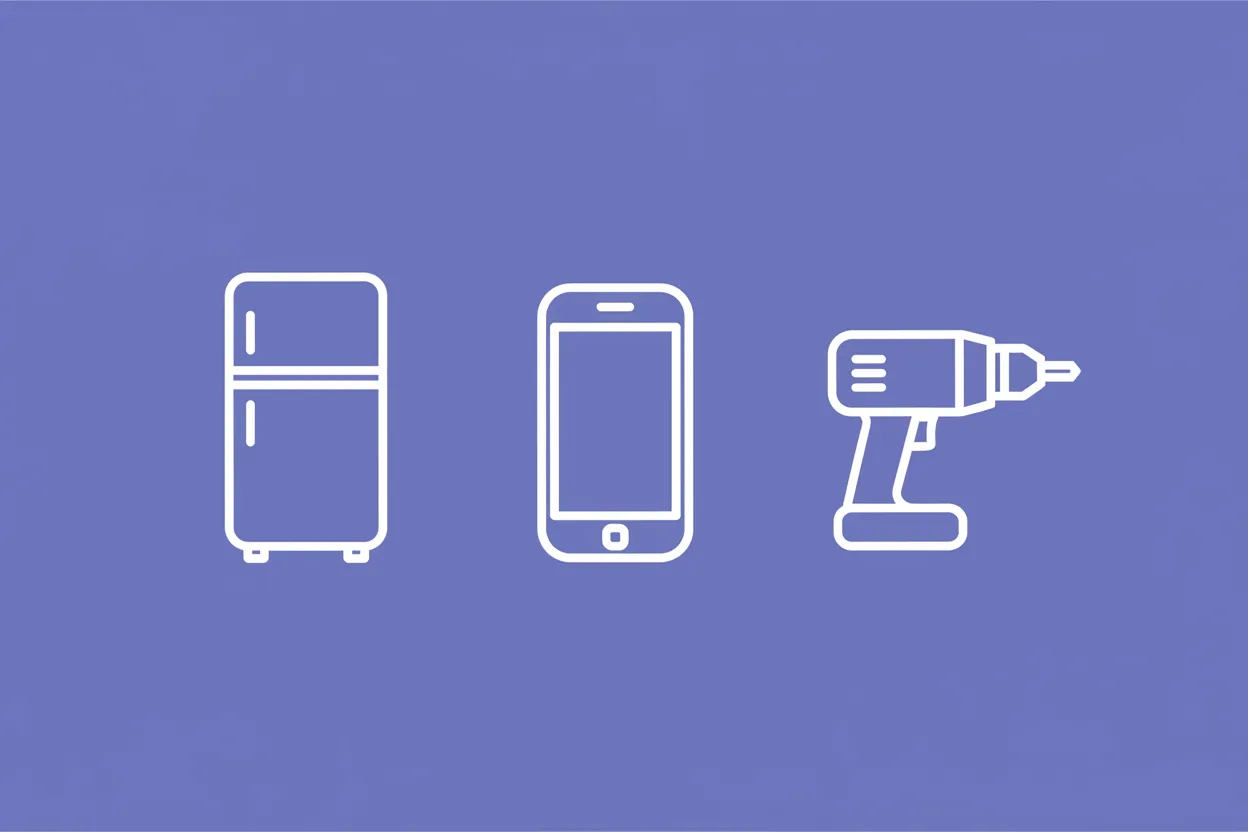
Electronic waste comes in many shapes and sizes, which makes managing it a big task. Grouping these discarded devices into clear WEEE Categories helps tackle this challenge by sorting them into types for better recycling.
Sorting electronic waste into categories is key to handling materials safely and recovering valuable resources. These categories make sure that items like fridges, phones, and tools get the right treatment, protecting the environment and supporting recycling.
When we organize electronic waste, we reduce pollution risks and save materials for new products. This system supports a circular economy, turning old gadgets into resources for the future and keeping the planet healthier.
Definition: WEEE categories
WEEE categories divide discarded electrical and electronic devices into ten groups, from large appliances to automatic dispensers. These categories help recycle materials safely and efficiently by grouping similar products, easing proper handling of hazardous and valuable components.
WEEE categories group similar electronic waste for easier handling. They divide discarded devices into ten types for safe and efficient recycling.
Think of sorting your recycling bin at home—separating plastics from paper makes recycling smoother. WEEE categories do the same but for electronic waste, sorting items like fridges, phones, and toys into groups to recycle materials like metals and plastics safely.
Clearing up common myths about electronic waste categories
Have you ever wondered if all electronic waste is the same? Many people don’t realize that Waste Electrical and Electronic Equipment (WEEE) covers a broad range of devices, each sorted into categories to make recycling easier and more effective.
The rules for sorting WEEE have changed over time. For example, the EU updated its system from 10 to 6 categories in 2012 to simplify recycling and improve how countries report their efforts. Yet, not all countries use these categories in exactly the same way, which can affect recycling success across Europe.
It’s also easy to think that every piece of electronic waste is hazardous or recycled properly. In truth, only some older devices have harmful materials, and less than half of all WEEE gets collected and recycled as it should be.
Proper sorting and high-quality recycling matter. They help protect the environment and recover valuable materials for new products, making the circular economy stronger and more sustainable.
3 examples on common types of electrical and electronic equipment
Here are some typical groups of devices that often appear in waste streams and require proper recycling:
- Large household appliances: These include items like refrigerators and washing machines. They contain valuable metals and materials that can be recovered through recycling.
- IT and telecommunications equipment: Devices such as computers, phones, and routers fall here. Proper disposal helps prevent harmful substances from polluting the environment.
- Small household appliances: Examples include toasters and hairdryers. Although smaller, they still contribute to electronic waste and benefit from circular management.
While some items are bulky and easy to spot for recycling, many smaller gadgets often end up discarded improperly. This contrast highlights the need for clear collection systems to capture all types of electronic waste effectively.
Terms related to electronic waste classification
Electronic waste is one of the fastest-growing waste streams worldwide, requiring careful handling to protect the environment.
- Electrical and electronic equipment (EEE): Devices powered by electricity or batteries, such as computers, TVs, and phones, that eventually become electronic waste.
- Hazardous substances: Harmful materials like lead or mercury found in some electronics that need special treatment during disposal.
- Producer responsibility schemes: Programs where manufacturers take accountability for collecting and recycling their products after use.
- Recycling and recovery: Processes that extract valuable materials from old electronics to reduce waste and conserve resources.
- Extended Producer Responsibility (EPR): Regulations that make producers responsible for the entire lifecycle of their products, encouraging sustainable design and waste reduction.
Frequently asked questions on WEEE categories
Here are clear answers to common questions about waste electrical and electronic equipment (WEEE) categories and related topics.
What is electrical and electronic equipment (EEE)?
EEE refers to all devices powered by electricity or batteries. This includes everyday items like phones, computers, TVs, and kitchen appliances. Properly categorizing these helps manage their waste safely and efficiently.
How does extended producer responsibility (EPR) work for electronics?
EPR means producers take responsibility for their products’ entire lifecycle, including waste management. This encourages companies to design eco-friendlier electronics that are easier to recycle, reducing environmental impact.
Why is recycling and recovery important for electronic waste?
Recycling recovers valuable materials like metals and plastics from old electronics. This reduces the need for mining, conserves resources, and prevents harmful substances from polluting landfills.
What hazardous substances are found in electronic waste?
Many electronics contain hazardous materials like lead, mercury, and cadmium. Proper handling and recycling prevent these toxins from harming people and the environment.
How does the circular economy apply to electronics?
The circular economy promotes reusing, repairing, and recycling electronics to keep materials in use longer. This reduces waste, saves resources, and supports a more sustainable electronics industry.
