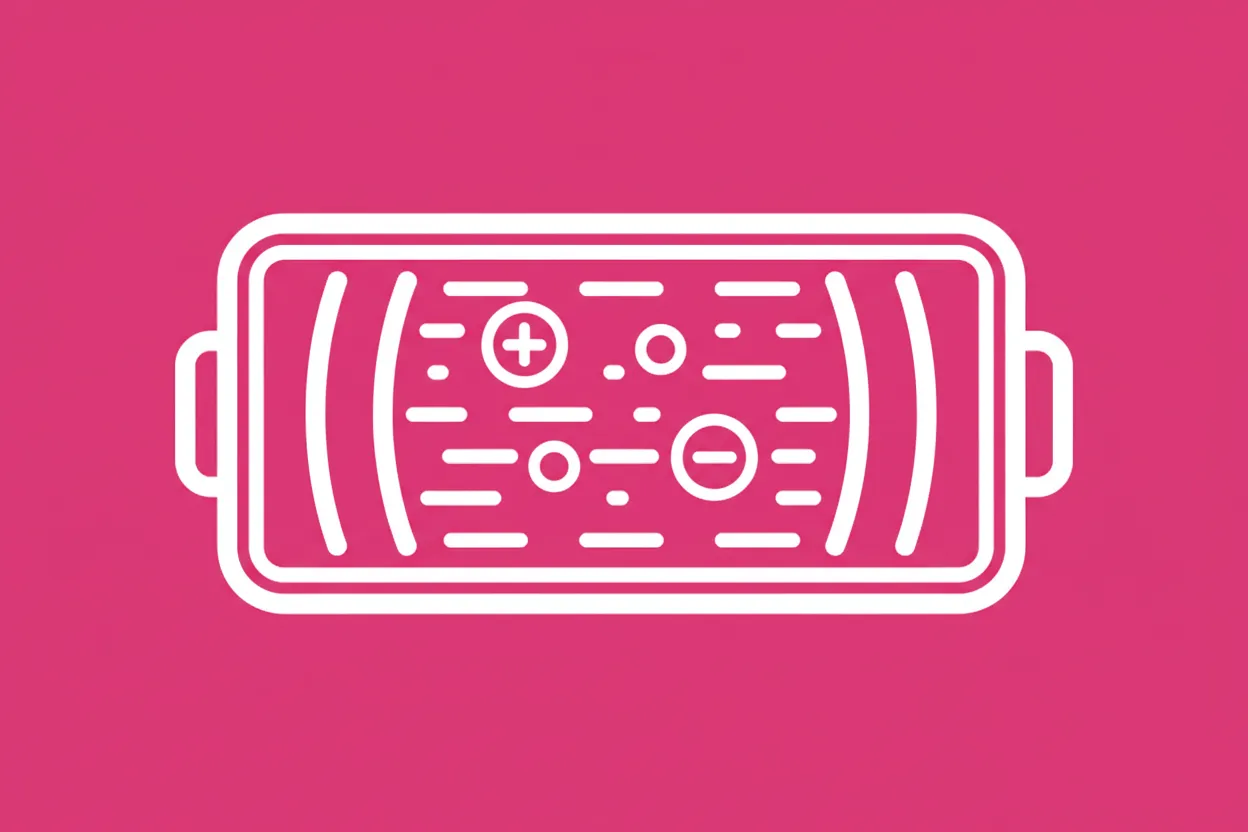
Think about the last time you used your phone or saw an electric car—it’s powered by tiny units that store and release energy to keep things running smoothly. These units, called battery cells, work like small containers where chemical energy changes into electricity.
When you open up a device, you’d find many battery cells inside, each with two sides called electrodes and a special liquid that helps charged particles move. This movement creates the electric current that makes your device work, showing how these small parts play a big role in powering our daily lives.
Whether it's keeping your phone alive or helping an electric car drive, battery cells join together to store and provide energy in a way that supports cleaner energy use. They’re key players in reducing waste and promoting sustainability by enabling recycling and longer use of valuable materials.
Definition: battery cell
A battery cell is a small unit that stores energy and changes it into electricity. It has two parts called electrodes and a liquid called electrolyte that helps charged particles move and create electric current. Battery cells power devices like phones and electric cars by providing this energy.
Battery cells create electric current by moving charged particles between electrodes. They are small units that store energy and turn it into electricity.
Think of a battery cell like a tiny jar holding energy. When you use your phone or drive an electric car, this jar releases electricity by moving particles inside, making your device work. This simple action powers much of the technology we use every day.
Tracing the history of battery technology
Have you ever wondered how batteries came to be? The journey started centuries ago with simple devices storing electrical energy. These early inventions paved the way for the batteries we use today in phones, cars, and more.
Long before modern batteries, ancient cultures experimented with storing electricity. The Baghdad Battery, dating back over 2,000 years, is a fascinating example. It used basic materials like clay, copper, and iron, showing early ingenuity in harnessing electrical power. Over time, inventors like Alessandro Volta and John Daniell improved these designs, making batteries more reliable and practical.
Batteries evolved from curiosities to essential tools during the 19th and 20th centuries. Rechargeable types, such as lead-acid and nickel-cadmium, extended battery life and usability. The breakthrough of lithium-ion batteries later revolutionized portable technology, enabling longer-lasting devices and cleaner energy solutions.
Every step in battery innovation contributes to a more sustainable future. These advancements help reduce waste and promote circular use of materials, supporting environmental goals.
5 examples on sustainable practices in energy storage
Here are several ways to improve sustainability and circularity in the production and disposal of energy storage components:
- Recycling programs: These focus on recovering valuable materials like lithium and cobalt from used cells. Such initiatives reduce waste and lower the need for new mining.
- Design for disassembly: Creating cells that can be easily taken apart helps with material recovery and extends product life. This approach supports effective recycling.
- Second-life applications: Used cells can be repurposed for less demanding tasks, such as stationary energy storage. This gives materials a longer useful life.
- Use of bio-based materials: Incorporating renewable materials in components can reduce environmental impact. It also aligns with circular economy goals.
- Producer responsibility schemes: These policies require manufacturers to manage end-of-life products. They encourage designs that make recycling and reuse easier.
While these methods improve circularity, challenges remain in scaling them globally. Some materials are still hard to recycle efficiently, and not all regions have infrastructure to support these efforts.
Terms related to energy storage components
Energy storage is a key part of making renewable energy and electric vehicles work efficiently, supporting a cleaner and more circular economy.
| Term | Description |
|---|---|
| Anode | The negative electrode in lithium-ion batteries where lithium ions are stored during charging. |
| Cathode | The positive electrode that releases lithium ions during discharge, crucial for energy flow. |
| Electrolyte | A chemical medium that allows ions to move between anode and cathode, enabling battery function. |
| State of Charge (SoC) | The current energy level of a battery, similar to a fuel gauge in a car. |
| Battery Management System (BMS) | A system that monitors and controls battery performance to ensure safety and longevity. |
| Cycle Life | The number of complete charge and discharge cycles a battery can undergo before capacity fades. |
| Lithium-Ion Recycling | Processes that recover valuable materials from used batteries to reduce waste and support circularity. |
| Thermal Runaway | A dangerous condition where battery temperature rapidly increases, potentially causing failure. |
| Energy Density | The amount of energy stored in a battery relative to its weight or volume, influencing vehicle range. |
| Second-life Batteries | Used batteries repurposed for less demanding energy storage, extending their useful life and reducing waste. |
Frequently asked questions about battery cells
Here are some common questions and clear answers to help you learn about battery cells and their role in sustainability.
What is energy storage in battery cells?
Energy storage means keeping electrical energy in a battery cell for later use. This allows devices, like phones or electric cars, to run without being plugged in all the time, helping us use energy more efficiently and support renewable power sources.
How does lithium-ion technology work?
Lithium-ion batteries store energy by moving lithium ions between two electrodes during charging and discharging. They are popular because they hold a lot of energy, recharge quickly, and last longer, making them key for electric vehicles and portable electronics.
Why are battery cells important for electric vehicles?
Battery cells power electric vehicles by storing electricity that runs the motor. They replace gasoline engines, cutting down pollution and helping reduce our carbon footprint, which supports a cleaner environment and better air quality.
How do battery cells support renewable energy integration?
Battery cells store energy from renewable sources like solar and wind when the sun shines or wind blows. This stored energy can be used later when the weather is calm, making renewable energy more reliable and helping to reduce dependence on fossil fuels.
What is battery recycling and why is it important?
Battery recycling means recovering valuable materials from used batteries to make new ones. This reduces waste, saves natural resources, and prevents harmful chemicals from polluting the environment, supporting a circular economy and sustainability.
What role does material science play in battery cells?
Material science focuses on finding better materials to make batteries safer, longer-lasting, and more efficient. Advances in this field help improve battery performance while reducing environmental impact by using less harmful or more abundant materials.
What is a battery management system (BMS)?
A battery management system is like the brain of a battery pack. It monitors and controls charging and discharging to keep the battery safe, extend its life, and ensure it works efficiently, which is especially important in electric vehicles and large energy storage systems.
How do battery cells fit into the circular economy?
Battery cells support the circular economy by being designed for reuse, repair, and recycling. This approach keeps materials in use longer, reduces waste, and lowers the need to extract new raw materials, helping create a more sustainable and responsible industry.
