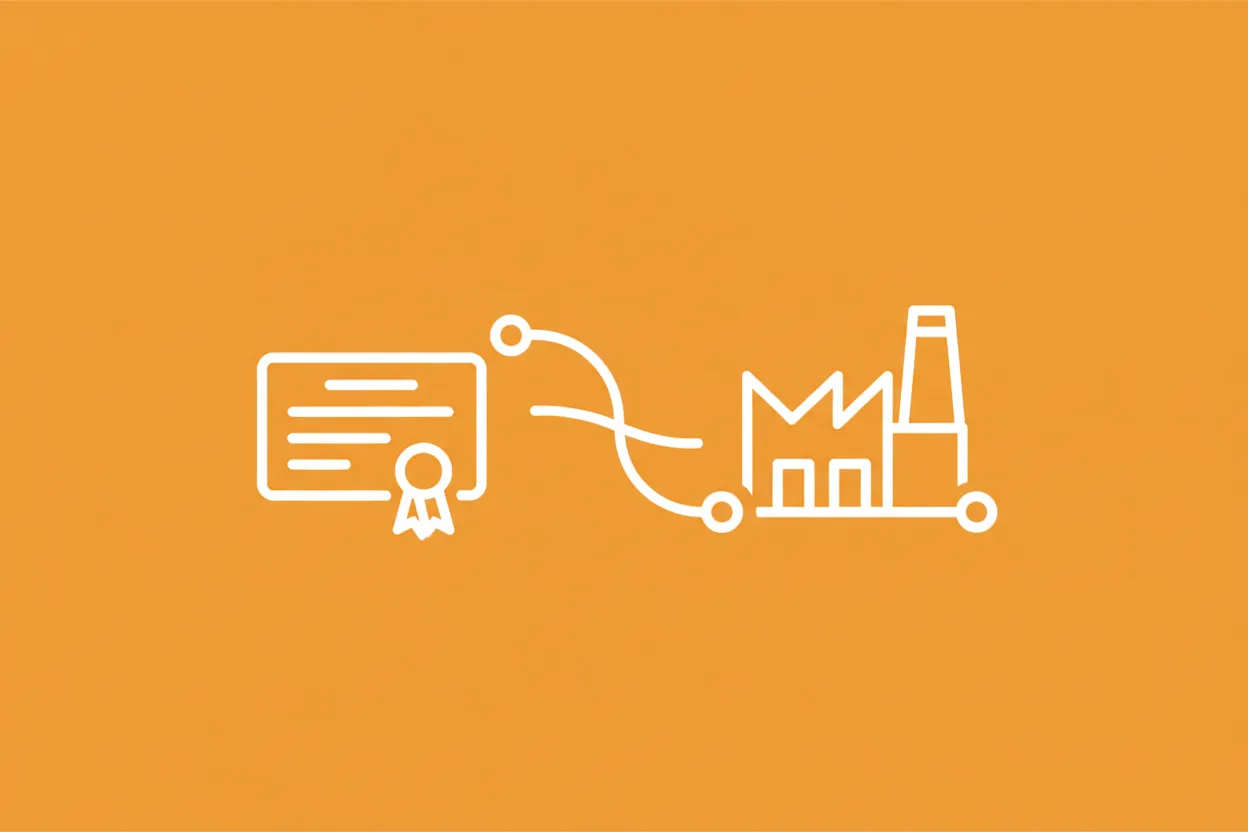
Ever wondered how companies show they support recycled or renewable products without using them directly? Book-and-Claim Systems let businesses buy certificates proving they back green production, even if their actual products aren’t physically made from recycled or clean sources.
Why choose this system? It helps overcome tricky supply chains where tracking real materials is hard, so companies can still promote sustainability. How does it work? Producers earn certificates for making recycled or renewable goods, which buyers purchase to claim environmental benefits and encourage more green production.
Definition: book-and-claim system
A book-and-claim system lets companies support sustainable products like recycled materials or renewable energy without physically tracing the product itself. Producers earn certificates proving green production, which companies buy and claim to support sustainability even if their actual products aren’t directly made from those sources.
Companies buy certificates to support sustainable production even if their products aren’t physically made from recycled or renewable sources. This system links buyers and producers through certificates, encouraging green use without physical tracking.
For example, a company can buy certificates from a factory producing recycled plastic to claim its products are supporting recycled content, even if the plastic they use isn’t recycled itself. This helps overcome supply chain challenges and makes supporting sustainability easier. Have you thought about how your electricity might come from wind farms far away? Book-and-claim systems make that possible by proving your energy use supports clean power.
How the book-and-claim approach started and evolved
Have you wondered how companies support renewable energy without directly using it? This idea grew from a system that tracks and verifies sustainable energy production. It helps businesses claim environmental benefits even if they don’t physically access the green fuel.
The concept began with Guarantees of Origin under the EU’s Renewable Energy Directive, which issue certificates confirming renewable energy generation. These certificates allow consumers to prove they support clean energy, no matter where it’s produced. Over time, this method spread to sectors like aviation, where sustainable aviation fuel certificates let airlines claim emissions reductions without using the fuel directly.
This system also found its way into shipping, enabling companies to back low-emission fuels without handling them physically. By separating environmental benefits from fuel delivery, it makes clean fuel adoption easier and faster.
The book-and-claim model bridges the gap between sustainability goals and practical fuel access. It’s a flexible tool helping industries reduce their carbon footprint.
3 examples on how traceability supports circularity
Here are a few ways traceability helps producers and consumers ensure materials are responsibly sourced and recycled:
- Renewable energy credits: These certificates allow companies to claim use of green energy without direct delivery, encouraging investment in clean power generation. The key phrase is verified renewable energy use.
- Recycled content certificates: Producers can prove their products contain a certain amount of recycled material through these certificates, promoting transparency in recycled content even if the physical materials are not directly tracked.
- Sustainable material claims: Certifications for responsibly sourced materials let businesses show they support ethical and sustainable resource management, boosting consumer confidence.
While these examples promote sustainable sourcing, they don’t physically link materials from start to finish. This indirect approach means actual material flows can be hard to verify, contrasting with systems that track every physical item.
Terms related to certificate-based environmental claims
Many companies use certificates to prove their involvement in renewable energy or emission reduction efforts.
| Term | Description |
|---|---|
| Renewable Energy Certificates (RECs) | Proof that energy was generated from renewable sources. |
| Carbon Offset Trading | Buying and selling credits to balance out carbon emissions. |
| Green Energy Procurement | Companies choosing to buy energy from renewable sources. |
| Environmental Attribute Trading | Market trading of certificates representing environmental benefits. |
| Corporate Social Responsibility (CSR) | Business practices aimed at positive social and environmental impact. |
Frequently asked questions on the book-and-claim system
The book-and-claim system helps companies support green energy and sustainability without direct physical delivery.
What are Renewable Energy Certificates (RECs)?
RECs represent proof that 1 megawatt-hour of renewable electricity was generated. Companies buy RECs to claim use of green energy, supporting renewable projects and reducing carbon footprints through the book-and-claim system.
How does carbon offset trading work?
Carbon offset trading lets companies balance their emissions by funding projects that reduce greenhouse gases elsewhere. The book-and-claim system tracks these offsets, helping businesses meet climate goals even if they can't cut emissions immediately.
What is green energy procurement?
Green energy procurement means sourcing energy from renewable sources. Using the book-and-claim system, companies can buy certificates proving their green energy use, promoting renewable energy growth without changing their local electricity supply.
How does sustainable supply chain management relate?
Sustainable supply chain management ensures products are made with minimal environmental impact. Through book-and-claim, companies can support green energy and emission reductions in their supply chain, boosting overall sustainability.
Can you explain environmental attribute trading?
Environmental attribute trading involves buying and selling certificates representing environmental benefits like renewable energy or emission cuts. Book-and-claim systems facilitate this trade, allowing companies to claim sustainability achievements flexibly.
What role does the book-and-claim system play in circular economy models?
The book-and-claim system supports circular economy models by promoting resource-efficient energy use and reducing emissions. It helps companies claim environmental benefits from renewable sources, encouraging sustainable production and consumption cycles.
