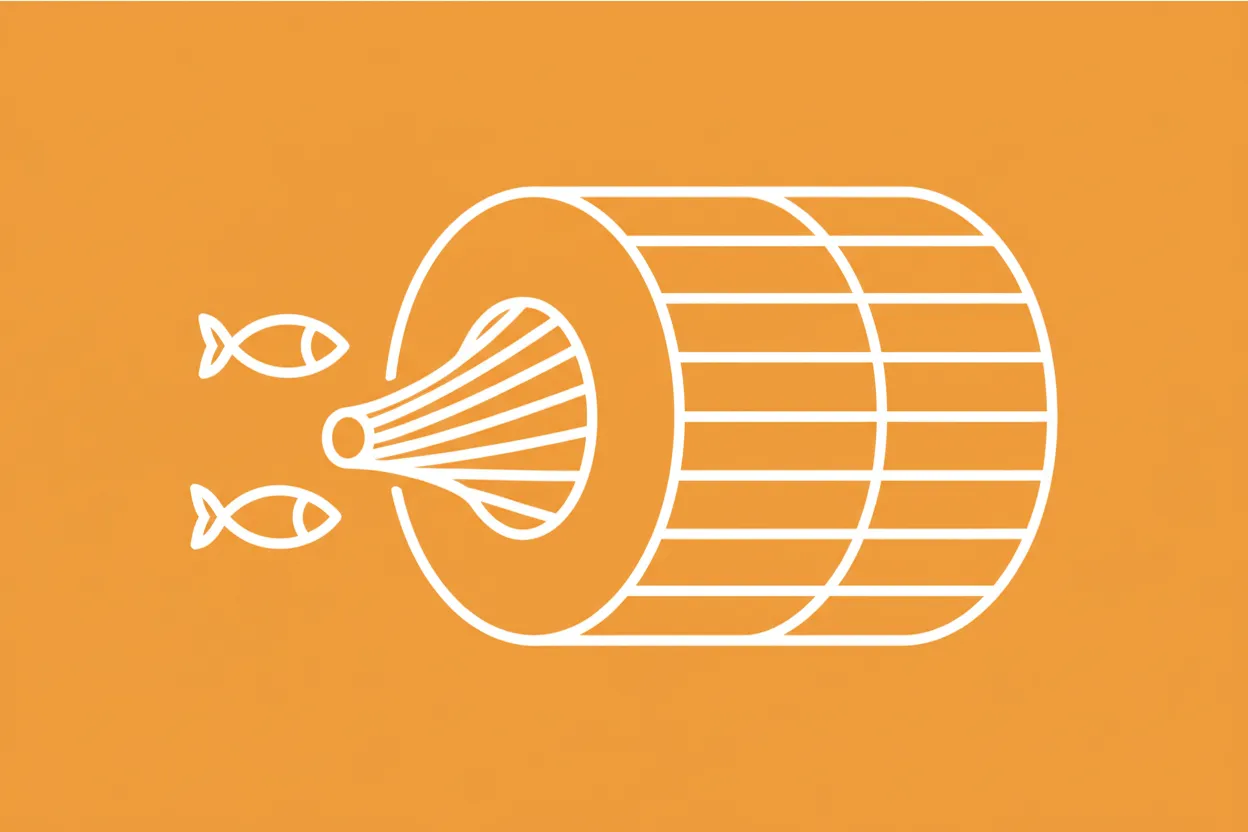
Ever thought about how fish can be caught without hurting the environment? A fish trap is a simple tool designed to let fish swim in easily but makes it tricky for them to get out. This clever design helps fishers catch fish while protecting the water and other animals.
Why choose fish traps over nets or lines? Fish traps reduce accidental catches of unwanted species and cause less damage to underwater habitats. Plus, many traps are made from natural or recyclable materials, which supports recycling and reduces waste.
How do fish traps fit into sustainability? They allow fishers to catch fish responsibly by letting small or protected fish escape, helping keep fish populations healthy. Fish traps also promote a circular economy by using materials that can be reused or naturally break down, making fishing kinder to our planet.
Definition: fish trap
A fish trap is a tool designed to catch fish by letting them enter easily but making it hard to escape. It often uses a funnel-shaped entrance and can be made from materials like bamboo, metal, or plastic. Fish traps help catch fish without harming the environment or catching unwanted species.
Fish traps make it hard for fish to escape once inside. They catch fish by guiding them through a funnel-shaped entrance.
For example, a fisher might place a bamboo basket trap in a river. Fish swim in through the funnel but can’t find their way out. This way, the fisher catches fish without dragging harmful nets or catching unwanted animals, making the process cleaner and more sustainable.
Clearing up myths about fish trap fishing
Ever wondered if fish traps harm the ocean or cause overfishing? Many people have strong opinions, but the reality is more balanced. Fish traps have been used for centuries, yet some ideas about their impact don’t tell the full story.
Concerns about environmental damage often come up when discussing fish traps. While any fishing method can affect ecosystems, responsibly used fish traps are designed to minimize bycatch and allow smaller fish to escape. This helps keep fish populations healthy and supports ocean balance. Compared to some industrial methods, fish traps cause less disturbance to marine habitats.
People also question whether fish traps are still relevant today. Despite being traditional, they remain common in small-scale fisheries worldwide. Modern versions use eco-friendly materials and designs to reduce environmental harm. Their continued use shows they are effective tools when managed correctly.
Regulations play a key role in ensuring fish traps are used sustainably. Many areas have rules about trap size, location, and maintenance to prevent overfishing. These controls help protect marine life while supporting fishing communities. Keeping fish trap fishing responsible benefits both people and the planet.
4 examples on sustainable fishing gear designs
Here are some innovative gear types that help reduce waste and support circularity in fishing practices:
- Biodegradable nets: These nets break down naturally, reducing plastic pollution in oceans. They help prevent ghost fishing by disappearing if lost.
- Recyclable traps: Made from materials that can be collected and reprocessed, these traps promote extended producer responsibility by closing the loop.
- Modular traps: Designed with parts that can be repaired or replaced, they extend the product’s life and reduce the volume of discarded gear.
- Low-impact traps: These traps minimize harm to non-target species and habitats, supporting sustainable fishing and biodiversity conservation.
While traditional fishing gear often ends up as waste or marine litter, these examples show how thoughtful design can reduce environmental impact. Shifting to circular fishing gear supports healthier oceans and more responsible resource use.
Terms related to sustainable fishing gear
Fishing gear plays a crucial role in protecting marine life and supporting eco-friendly practices.
| Term | Description |
|---|---|
| Bycatch | Unintended catch of non-target species during fishing activities. |
| Aquaculture | Controlled farming of fish and other aquatic organisms. |
| Ghost gear | Lost or discarded fishing equipment that harms marine life. |
| Selective gear | Fishing tools designed to catch specific species only. |
| Marine protected area | Zones where fishing is restricted to conserve ecosystems. |
| Circular economy | Reusing and recycling materials in fisheries to reduce waste. |
| Biodiversity | Variety of marine species in an ecosystem. |
| Ecosystem management | Practices that maintain healthy coastal and marine environments. |
Frequently asked questions on fish traps
Fish traps are a common tool in fishing, but people often want to know how they relate to sustainability and the environment.
How do fish traps help reduce bycatch?
Fish traps are designed to catch specific species, allowing smaller or unwanted fish to escape. This reduces bycatch, meaning fewer non-target animals are caught and harmed, helping maintain healthy marine populations.
Can fish traps support sustainable fishing?
Yes, when used responsibly, fish traps promote sustainable fishing by targeting certain fish sizes and species, minimizing habitat damage, and allowing fish to reproduce more effectively, which helps keep fish populations balanced.
What role do fish traps play in marine conservation?
Fish traps can aid marine conservation by reducing overfishing and bycatch. Proper management of traps helps protect vulnerable species and supports the overall health of marine ecosystems, contributing to biodiversity protection.
How are fish traps connected to circular economy principles?
Fish traps made from recyclable or biodegradable materials fit into the circular economy by reducing waste. Using durable, repairable traps also extends their life, minimizing resource use and environmental impact in fisheries.
What innovations exist in fishing gear like fish traps?
New fish trap designs focus on improving selectivity, durability, and eco-friendly materials. Innovations reduce environmental harm, improve catch quality, and support sustainable fisheries by aligning with responsible fishing practices.
