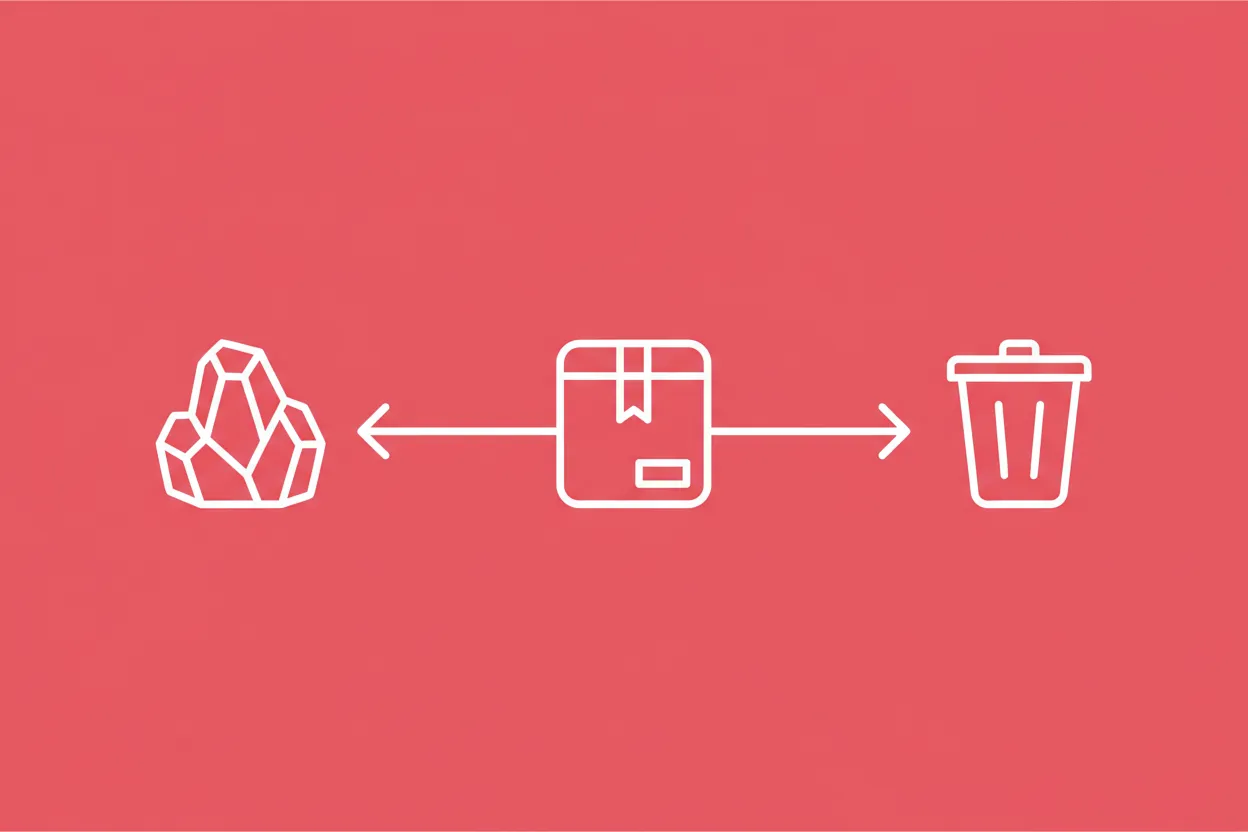
Most things we use every day come from a system where resources are taken from nature, turned into products, used, and then thrown away. This way of using materials is called a linear economy. It’s a simple process but leads to a lot of waste and lost resources.
This “take, make, dispose” pattern means valuable materials disappear after one use, increasing pollution and environmental harm. The more we rely on this, the more we drain Earth’s resources and fill landfills.
Many products today follow this one-way path, but it’s clear that keeping materials in use longer through repair or recycling would save resources and protect nature. Have you noticed how often you throw something away instead of fixing it?
Definition: linear economy
A linear economy is a system where resources are taken from nature, made into products, used, and then thrown away as waste. This “take, make, dispose” approach means materials are lost after use and not reused or recycled.
A linear economy follows a “take, make, dispose” pattern. It is a system where materials are used once and then discarded as waste.
For example, when you buy a plastic bottle, use it, and then throw it in the trash, you’re participating in a linear economy. The bottle’s materials are lost instead of being recycled to make new bottles or products.
How did the take-make-dispose system become the norm?
Why did society start following a pattern of using resources once and throwing them away? The linear economy, known for this take-make-dispose approach, grew out of a time when rapid industrial growth seemed limitless. It shaped how goods were made and used for over a century.
Back in the Industrial Revolution, new machines and factories made producing things faster and cheaper. Natural resources felt endless, so businesses focused on mass production to meet growing demand. This method boosted economies but didn’t consider the long-term effects of waste and resource use.
As populations grew and consumption increased, the limits of this system became clear. Resource extraction caused environmental harm, including loss of plant and animal species and increased pollution. The linear economy’s drawbacks sparked interest in more sustainable alternatives.
Changing from linear to circular means designing products and systems that waste less and reuse more. This shift encourages smarter resource use and helps protect the planet for future generations.
6 examples on how products follow a take-make-waste path
Here are some everyday examples where products are made, used, and then discarded without much reuse or recycling:
- Single-use plastics: These items are used once and then thrown away, creating a lot of waste that often ends up in landfills or oceans. They rarely get recycled into new products.
- Fast fashion clothing: Clothes are produced quickly and cheaply, worn a few times, then discarded. The materials are usually not designed for recycling, causing textile waste.
- Disposable batteries: After their energy is used, these batteries are often thrown in the trash, releasing harmful chemicals instead of being properly recycled.
- Printed newspapers: Once read, they are usually thrown out. Although recyclable, many end up as waste due to lack of proper collection.
- Plastic water bottles: Used once and discarded, many don’t get recycled and contribute to pollution and litter.
- Food packaging: Designed for convenience, these materials are often not recyclable or compostable, leading to increased landfill waste.
While these examples show a straightforward way of using resources, they also highlight missed chances to keep materials in use longer. Shifting toward better reuse and recycling could reduce waste and protect the environment.
Terms related to linear economic practices
Most products are still made, used, and discarded in a way that often leads to waste and resource depletion.
- Circular Economy: A system that keeps resources in use for as long as possible by reusing, repairing, and recycling.
- Resource Efficiency: Using materials and energy in a way that minimizes waste and environmental harm.
- Waste Management: The collection, treatment, and disposal of waste to reduce its impact on the environment.
- Sustainable Development: Meeting current needs without compromising the ability of future generations to meet theirs.
- Product Life Cycle: The stages a product goes through from creation to disposal.
- Environmental Impact: The effect a product or process has on the natural world, including pollution and resource use.
- Recycling: Converting waste materials into new products to prevent resource loss.
- Consumption Patterns: The habits and behaviors of how people use and dispose of products.
Frequently asked questions on the linear economy
The linear economy is a traditional model that affects how we use and dispose of resources.
What is a linear economy?
A linear economy follows a take-make-dispose pattern where resources are extracted, turned into products, used, and then thrown away, often creating waste and pollution.
How does a linear economy impact the environment?
This model leads to high waste and pollution because products are not designed for reuse or recycling, causing resource depletion and environmental harm.
What role does waste management play in a linear economy?
Waste management in a linear system usually focuses on disposal rather than reducing or reusing waste, missing chances to recover valuable materials.
Why is resource efficiency low in a linear economy?
Resources are often wasted because products are made for single use or short life, without considering reuse, repair, or recycling options.
How can shifting to a circular economy improve sustainability?
Moving to a circular economy keeps materials in use longer through recycling and reuse, reducing waste and environmental impact while conserving resources.
