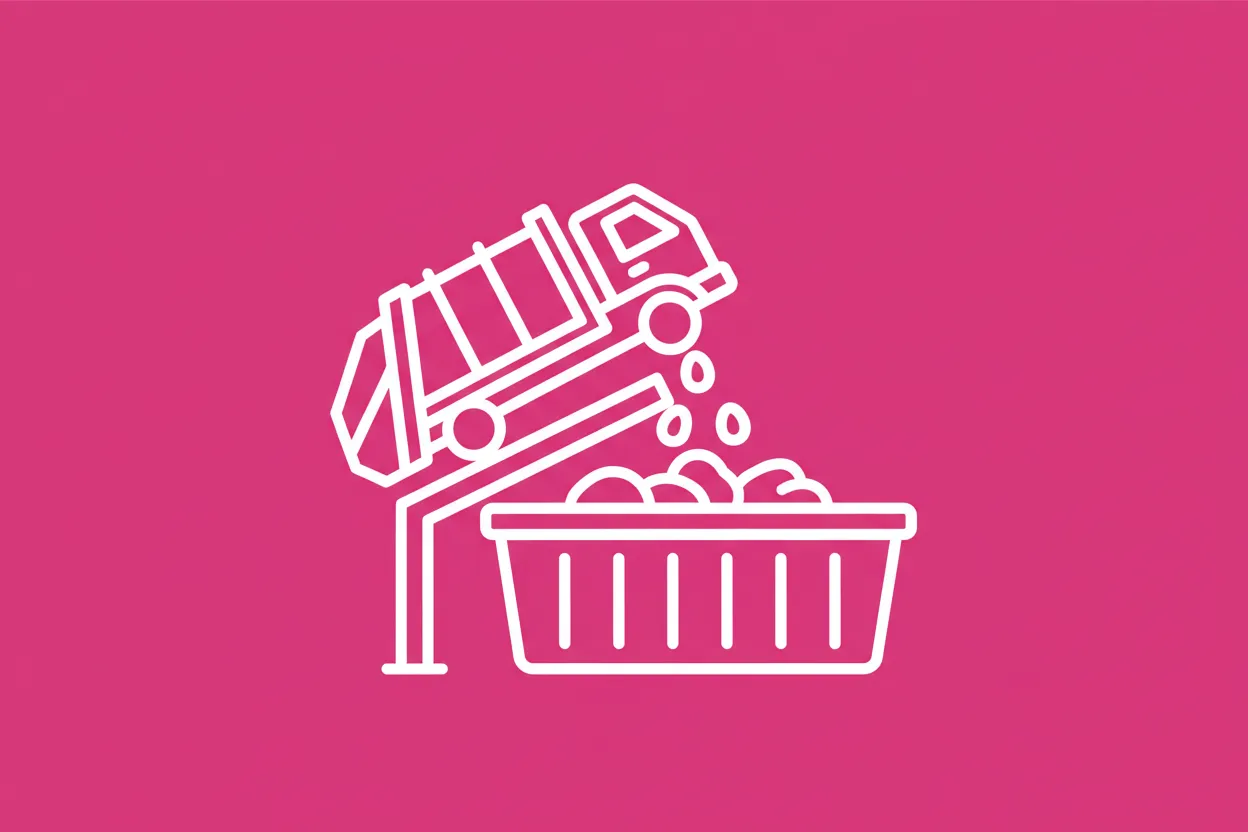
Picture garbage trucks arriving from different neighborhoods, each carrying a small load of trash. Instead of driving all the way to distant landfills, they stop at a Waste Transfer Station—a kind of middle point where waste is collected and organized.
This station acts like a busy sorting hub, where waste is temporarily stored, compacted, and combined into larger loads. By doing this, fewer trucks need to travel long distances, which saves fuel and cuts down pollution.
At the same time, the Waste Transfer Station helps separate recyclables like plastic and paper from general waste. This early sorting supports recycling efforts and the circular economy by keeping valuable materials out of landfills and reducing the need for new resources.
Definition: waste transfer station
A waste transfer station (WTS) is a place where garbage collected from homes or businesses is temporarily stored before being taken to its final destination like a landfill or recycling plant. It helps combine smaller loads into bigger ones to save fuel and reduce pollution.
Waste transfer stations combine smaller loads into bigger ones to save fuel and reduce pollution. They temporarily store garbage before it reaches its final destination.
Think of a WTS like a halfway stop for waste trucks. Instead of each small truck driving far to a landfill, they unload at the station. There, the waste is sorted and packed into bigger trucks that can carry more efficiently, cutting down on trips and pollution.
How did centralized waste hubs change European waste management?
What sparked the move from simple dumping to organized waste handling? Growing cities made old disposal ways unsafe and inefficient, pushing communities to find smarter solutions. This shift led to the creation of waste transfer stations, which improved how waste moves from homes to recycling or disposal sites.
Back in the early 1900s, tossing trash in local dumps or burning it was common. But as Europe’s population expanded, these methods caused pollution and health risks. Waste transfer stations emerged mid-century, with pioneers like the Dutch company Attero leading the way. They showed how collecting waste in one place before shipping it out made the whole process cleaner and cheaper.
These stations aren’t just spots for dropping off trash—they’re hubs that help sort and prepare waste for recycling or final disposal. This centralization reduces transport trips, cuts emissions, and supports circular economy goals. Their history reflects growing awareness of sustainability in waste management.
Centralized waste facilities helped Europe take big steps toward efficient and eco-friendly waste systems. They’re key players in turning waste into resources and protecting the environment.
5 examples on how waste is managed before recycling
Here are some common ways waste is handled and organized before it moves on to recycling or disposal:
- Sorting: Waste is separated into categories like plastics, metals, and organics. This step helps improve recycling efficiency by keeping materials pure.
- Compacting: Large volumes of waste are compressed to reduce space. This makes transportation to recycling centers more efficient and cost-effective.
- Temporary storage: Waste is held safely in designated areas before processing. This prevents litter and environmental contamination.
- Bulking: Smaller loads of similar waste are combined into bigger batches. This allows trucks to carry more material at once, saving energy.
- Inspection: Waste is checked for hazardous or non-recyclable items. Removing these ensures safer and cleaner recycling streams.
While some waste is sorted and processed on-site, other places send everything directly to landfills. The difference in handling can significantly affect recycling success and environmental impact.
Terms related to waste transfer activities
Many facilities play a crucial role in organizing and processing waste to support recycling and sustainability efforts.
| Term | Description |
|---|---|
| Material recovery facility (MRF) | A place where recyclable materials are sorted and prepared for reuse. |
| Hazardous waste disposal | Safe handling and elimination of dangerous materials to protect health. |
| Composting facility | A site where organic waste is turned into nutrient-rich soil. |
| Landfill operations | Managing the final disposal site for waste that cannot be recycled. |
| Waste sorting | The process of separating different types of waste for better recycling. |
Frequently asked questions on waste transfer stations
Waste transfer stations play a key role in managing waste efficiently before it reaches final disposal or recycling sites.
What is a waste transfer station?
A waste transfer station is a facility where waste is temporarily held, sorted, and consolidated before being transported to recycling centers, landfills, or other processing sites.
How do waste transfer stations support recycling?
They sort recyclable materials from mixed waste, helping to increase recycling rates and reduce the amount sent to landfills, supporting a circular economy.
Are hazardous wastes handled at transfer stations?
Typically, hazardous waste is not accepted at waste transfer stations. It requires special facilities designed for safe disposal to protect human health and the environment.
What role do transfer stations play in waste sorting?
They separate different types of waste—like metals, plastics, and organics—to make recycling and composting more efficient and reduce contamination.
How do transfer stations contribute to environmental protection?
By efficiently sorting and redirecting waste, they reduce landfill use, lower greenhouse gas emissions, and minimize pollution, supporting sustainability goals.
Do waste transfer stations process compostable materials?
Some transfer stations accept organic waste to send it to composting facilities, which turn food scraps and yard waste into nutrient-rich soil.
What is the connection between transfer stations and landfills?
Transfer stations reduce the number of trips trucks make to distant landfills by consolidating waste, which cuts down on fuel use and emissions.
How do waste transfer stations fit into the circular economy?
They help keep valuable materials in use by sorting and directing waste to recycling or reuse centers, closing resource loops and reducing environmental impact.
