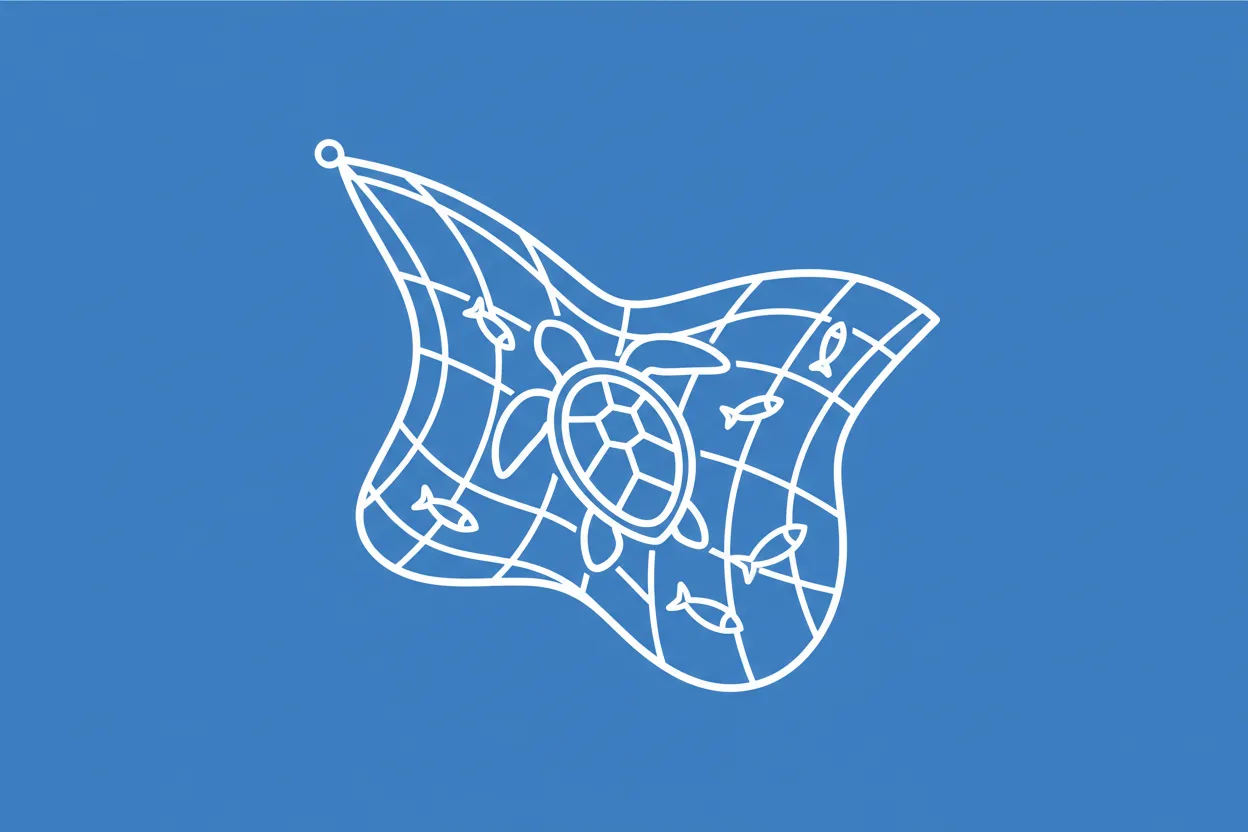
A fishing net tangled on the shore tells a story beyond just trash—it’s part of a bigger problem called ALDFG (Abandoned, Lost or Discarded Fishing Gear). This gear, like nets and ropes left in oceans, keeps catching animals long after it’s lost, harming marine life and polluting waters.
Think of a lost fishing net drifting in the sea, silently trapping fish and turtles for years. This "ghost fishing" damages habitats and adds to plastic pollution, showing why tackling ALDFG matters for healthy oceans and communities. It’s a challenge we can all help with by supporting better fishing practices and recycling efforts.
Definition: ALDFG (Abandoned, lost or discarded fishing gear)
ALDFG means fishing gear like nets, lines, traps, or ropes that have been abandoned, lost, or thrown away in oceans or waterways. This gear stays in the water, trapping animals and harming marine life and habitats. It also adds to plastic pollution and can damage coral reefs and fishing communities.
ALDFG harms marine life by trapping animals and damaging habitats. It means abandoned, lost, or discarded fishing gear left in water.
For example, a lost fishing net can keep catching fish or turtles for years, a process called ghost fishing. This traps and kills animals, upsetting the ocean’s natural balance. The net also breaks down into plastic pieces that pollute the water and can harm creatures far beyond the net itself.
Tracing the journey of ghost fishing gear through time
How long has abandoned fishing gear been an environmental issue? People have lost or discarded fishing nets and traps for centuries, with evidence dating back to medieval times. This long history shows that ALDFG is not a new problem, but one that has grown over time.
Records from a medieval fishing village in Belgium reveal that fishing gear was already being lost or left behind between 1200 and 1600. Fast forward to the 20th century, and the problem attracted global attention as organizations like UNEP and FAO highlighted how ALDFG harms marine life and pollutes oceans. These reports focused on the most common types of gear, such as gillnets and traps.
Today, efforts to manage ALDFG include international guidelines encouraging responsible fishing and gear marking. These steps aim to reduce gear loss and make it easier to track and recover discarded equipment. Research shows that lost gear continues to accumulate, emphasizing why these measures are needed.
ALDFG’s history teaches us that addressing ghost gear requires ongoing cooperation and innovation. Tackling this challenge benefits not only marine ecosystems but also supports sustainable fishing for future generations.
7 examples of fishing gear that can impact marine life
Here are some common types of fishing equipment that, when left behind, can cause environmental harm:
- Nets: These are large mesh traps that can entangle fish and other sea creatures. Ghost nets continue to catch animals long after being lost.
- Lines: Fishing lines are thin but strong cords used to catch fish. Lost lines can tangle and injure marine animals like turtles and seabirds.
- Traps and pots: These cage-like devices capture specific species such as crabs or lobsters. When abandoned, they keep trapping creatures without anyone checking them.
- Hooks: Often attached to lines, hooks can cause injury if left in the water. Wildlife may swallow or become hooked accidentally.
- Floats and buoys: These markers help fishermen locate gear but can become debris themselves. Floating plastic harms animals and pollutes the ocean.
- Ropes: Thick ropes connect gear and boats but may drift away if not secured. They pose entanglement risks to marine mammals and fish.
- Trawling gear: Heavy nets dragged along the seabed damage habitats and can be lost during storms. Lost trawl gear continues to trap animals and destroy the ocean floor.
While fishing gear supports seafood harvest, abandoned equipment creates ongoing problems for marine ecosystems. Proper management and recycling of these materials can help protect ocean life and promote sustainability.
Terms related to abandoned fishing gear
Lost fishing gear is a major contributor to marine pollution, affecting ocean health and wildlife survival.
| Term | Description |
|---|---|
| Ghost fishing | When lost nets continue to trap and kill marine animals unintentionally. |
| Ocean plastic waste | Plastic debris in the ocean, including fragments from fishing gear. |
| Fisheries management | Strategies to regulate fishing activities and reduce environmental impact. |
| Marine biodiversity loss | Decline in species variety caused by harmful fishing practices and pollution. |
| Coastal ecosystem health | The overall state of coastal areas affected by pollution and habitat damage. |
| Waste management | Processes for collecting, recycling, and disposing of fishing gear waste. |
| Environmental monitoring | Tracking changes in marine environments to detect pollution and damage. |
| Marine conservation policies | Rules and actions aimed at protecting ocean habitats and wildlife. |
Frequently asked questions about ALDFG (Abandoned, Lost or Discarded Fishing Gear)
Here are answers to some common questions about the impact and management of ALDFG.
What is ghost fishing and why is it harmful?
Ghost fishing happens when lost fishing gear keeps catching fish and other sea animals unintentionally. This traps and kills marine life, harming populations and disrupting the balance of ocean ecosystems.
How does ALDFG contribute to ocean plastic waste?
Fishing gear is often made from plastic. When it’s lost or discarded, it adds to ocean plastic pollution, breaking into smaller pieces that can harm wildlife and enter the food chain, affecting both animals and humans.
What impact does ALDFG have on marine biodiversity?
Lost fishing gear damages habitats like coral reefs and seagrass beds. This destruction reduces the variety of marine species, threatening the health and survival of many ocean creatures.
How can waste management and recycling help with ALDFG?
Proper collection, recycling, and disposal of fishing gear prevent it from becoming abandoned or lost. Recycling programs turn old gear into new products, supporting circular economy principles and reducing ocean pollution.
What role do marine conservation policies play in addressing ALDFG?
Policies set rules for responsible fishing, gear disposal, and cleanup efforts. They encourage fishers and companies to take responsibility (Extended Producer Responsibility) for their gear, helping protect marine environments and promote sustainability.
