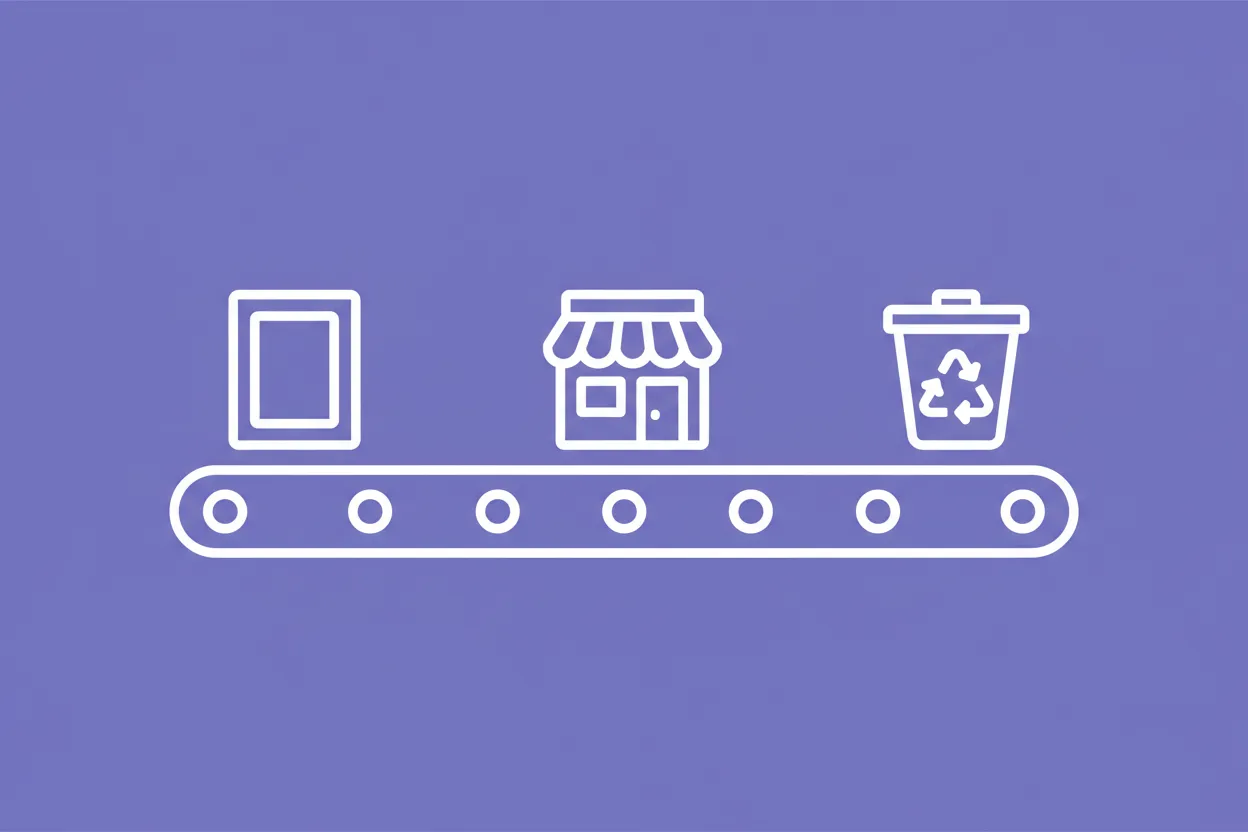
Think about the last time you bought a smartphone or a pair of shoes. Behind that product, many different people and companies worked together to make sure it was made, sold, and eventually recycled responsibly. These are Economic Operators, the key players managing products throughout their entire life.
When a factory designs a backpack using recycled fabric, the shop sells it, and a recycling center later processes it, all these actors are Economic Operators. They follow rules to reduce waste and protect the environment, helping keep materials in use longer through circular economy principles.
Economic Operators don’t just make or sell products—they also handle important responsibilities like providing clear recycling info and taking back old items. Their teamwork supports sustainability by turning waste into valuable resources and making sure products don’t harm the planet.
Definition: Economic operator
An Economic Operator is a person or company involved in activities related to the supply chain of products or services, especially focusing on environmental rules, circular economy, and sustainability. They handle products responsibly from creation to disposal, playing a key role in reducing waste and conserving resources.
Economic Operators handle products responsibly from creation to disposal. They are involved in supply chain activities focused on environmental rules and sustainability.
For example, a company that designs products using recycled materials and ensures those products can be recycled later is acting as an Economic Operator. They help keep resources in use longer and reduce environmental harm by following rules that promote recycling and waste reduction.
Clearing up common myths about economic operators in the EU
Have you ever wondered who exactly counts as an economic operator in the EU? Many think it's just the manufacturers, but the reality is broader. This term includes anyone involved in making, importing, distributing, or selling goods and services.
Economic operators play important roles at every stage of a product’s journey. Importers, distributors, and retailers all share responsibilities alongside manufacturers. Each must ensure products meet EU safety and quality standards before reaching consumers. Knowing this helps keep the market fair and products safe.
It’s easy to assume that once products leave the factory, safety is no one else’s concern. Actually, economic operators all contribute to ongoing safety checks and compliance. Distributors, for example, verify documentation and product standards before selling items.
Economic operators aren’t off the hook if products don’t comply with rules. They must act quickly to fix issues, including recalls or withdrawals, and work with authorities. This shared responsibility helps maintain trust and keeps the marketplace safe for everyone.
5 examples on roles that drive product responsibility
Several players in the product lifecycle share the duty to manage waste and promote recycling. These roles help make sure products are designed, used, and disposed of with sustainability in mind:
- Manufacturer: Designs and produces goods while considering their environmental impact. They can influence the use of recyclable materials and packaging.
- Importer: Brings products into a market and often must comply with local waste regulations. They act as a bridge between producers and consumers.
- Distributor: Moves products through supply chains and can support sustainable logistics and packaging reduction.
- Retailer: Sells products to consumers and may offer take-back programs or eco-friendly options.
- Recycler: Processes used products to recover materials and reduce landfill waste. Their work closes the loop in the circular economy.
While each role focuses on different stages, their combined efforts shape how waste is handled. Without cooperation, recycling and sustainability goals become harder to reach.
Terms related to key players in product supply and regulation
Many businesses play important roles to ensure products move smoothly and comply with laws from creation to consumer.
| Term | Description |
|---|---|
| Supply Chain Manager | Oversees the flow of goods from raw materials to delivery. |
| Trade Compliance | Ensures all trade activities follow legal rules and standards. |
| Customs Broker | Helps navigate customs rules for importing and exporting goods. |
| Traceability | Tracks product history and location throughout its life cycle. |
| Regulatory Affairs | Handles legal requirements and approvals for products. |
| Market Surveillance | Monitors products on the market to ensure safety and compliance. |
Frequently asked questions on economic operators
Economic operators play a key role in trade, compliance, and product movement within the circular economy.
What is the role of economic operators in supply chain management?
Economic operators coordinate the flow of goods and information, ensuring materials move efficiently from producers to consumers while supporting sustainability through responsible resource handling.
How do economic operators manage trade compliance?
They ensure all trade activities meet legal requirements, helping prevent delays and penalties, which supports smooth, lawful product circulation and reduces waste from rejected shipments.
What customs procedures involve economic operators?
Economic operators handle documentation and processes required to clear goods through customs, enabling timely import/export and contributing to a circular economy by facilitating product reuse and recycling.
Why is product traceability important for economic operators?
Traceability lets economic operators track products through their lifecycle, improving waste management and recycling efforts by identifying materials and ensuring proper handling at each stage.
How do economic operators support regulatory affairs?
They stay updated on laws affecting product design, packaging, and waste management, helping companies comply with sustainability regulations and extended producer responsibility (EPR) rules.
What is the economic operator’s role in risk management?
They identify and minimize risks related to supply chain disruptions, regulatory changes, and environmental impacts, promoting resilience and continuous circular flow of materials.
