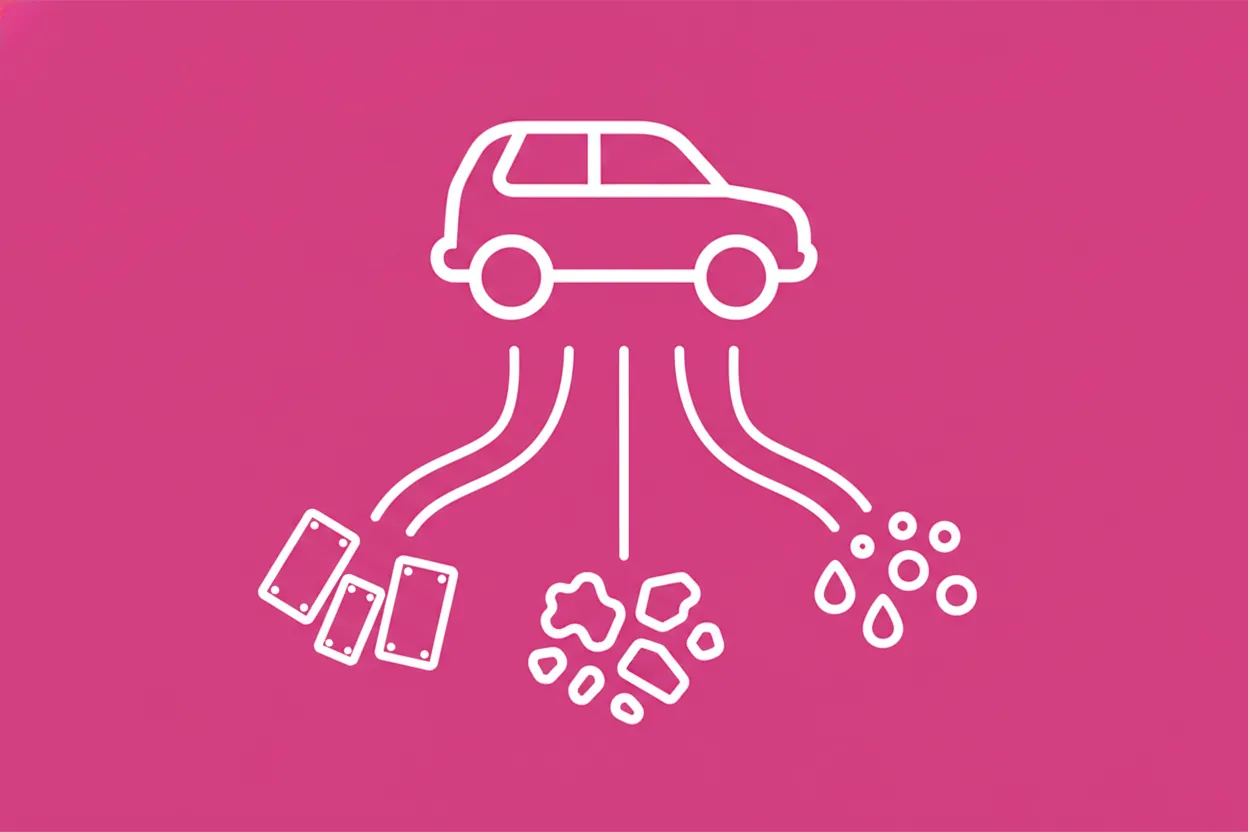
Too many old cars end up as waste, filling landfills and wasting valuable materials. This causes pollution and uses up natural resources that could be saved.
Cars contain metals, plastics, and hazardous fluids that need special care to avoid harm to the environment. Without proper recycling, these materials can pollute soil and water, making it unsafe for people and wildlife.
Automotive recycling solves these problems by carefully breaking down old vehicles so parts can be reused, materials can be recycled, and harmful substances are safely handled. This process helps protect nature while saving energy and resources for future use.
Definition: automotive recycling
Automotive recycling is the process of breaking down old or end-of-life vehicles to reuse or safely dispose of their parts and materials. It recovers useful items like tires, engines, and metals, reducing waste and conserving natural resources in the car industry.
Automotive recycling recovers useful parts and materials from old vehicles. It breaks down cars so their components can be reused or disposed of safely.
Think about when a car is no longer usable; instead of just tossing it away, it goes to a recycling center. Workers remove parts like batteries or tires that can be fixed and sold again. The remaining metal is shredded and melted to make new products, saving energy and reducing pollution. This keeps materials in use rather than wasted.
Clearing up common myths about car recycling
Have you ever wondered if everything in your old car can be recycled easily? Many people assume automotive recycling is straightforward, but some materials are tougher to handle. This can affect how much waste actually gets reused.
Not all plastics in vehicles are made the same. Some, like thermoset plastics, can’t be melted down and remade, which limits recycling options. Plus, recycling doesn’t always happen as expected if materials are dirty or mixed up, causing valuable resources to be lost.
Recycling doesn’t always save money or energy, but often it does—especially with metals and certain plastics. However, local recycling facilities might not have the tools needed to process every type of material, which makes recycling tricky in some places.
Remember, improving recycling means tackling these misunderstandings and supporting better systems. By doing so, we help conserve resources and reduce waste in smarter ways.
7 examples on how old vehicles get new life
Here are some ways that old vehicles are broken down and their parts reused or recycled to reduce waste and save resources:
- Metal shredding: Vehicles are crushed and shredded so the metal parts can be melted down and reused in new products. This saves energy compared to mining and processing new metal.
- Battery recycling: Car batteries contain valuable metals like lead and lithium, which are recovered and reused to make new batteries or electronics. Proper recycling prevents harmful chemicals from polluting the environment.
- Tire retreading: Instead of throwing tires away, some get retreaded with new rubber, extending their life and reducing the number of tires sent to landfill.
- Plastic reclamation: Many car parts are plastic, and these plastics are sorted and processed to create new automotive components or other products, cutting down on waste.
- Glass recycling: Car windows and windshields are collected, cleaned, and turned into new glass products, saving raw materials and energy.
- Fluids recovery: Oils, coolants, and other fluids are drained and refined or safely disposed of, preventing environmental contamination.
- Parts resale: Usable parts like engines, transmissions, and seats are removed and sold for repairs, giving them a second life and reducing the need for new manufacturing.
While some vehicle materials can be recycled almost indefinitely, others like certain plastics or composites are harder to process and may still end up as waste. This contrast shows why ongoing innovation in recycling technology and design for recycling is so important.
Terms related to automotive recycling
Car manufacturers and recyclers work together to reduce waste and recover valuable materials from old vehicles.
| Term | Description |
|---|---|
| End-of-Life Vehicle (ELV) | A vehicle that has reached the end of its useful life and is ready for recycling or disposal. |
| Circular Economy | A system where car parts and materials are reused and recycled to minimize waste. |
| Vehicle Dismantling | The process of taking apart vehicles to recover usable parts and materials. |
| Materials Recovery | Extracting valuable metals and plastics from old cars for reuse. |
| Automotive Waste Management | Handling and disposing of waste generated during vehicle production and recycling. |
| Sustainable Design | Designing vehicles to be easier to recycle and have less environmental impact. |
| Hazardous Material Handling | Safely managing substances like batteries and fluids that can harm the environment. |
| Parts Remanufacturing | Restoring used automotive parts to like-new condition for reuse. |
| Environmental Regulations | Laws that ensure vehicle recycling is done safely and sustainably. |
Frequently asked questions on automotive recycling
Here are clear answers to common questions about recycling cars and their parts, helping you see how this process supports sustainability.
What is end-of-life vehicle (ELV) management?
ELV management involves safely dismantling, recycling, or disposing of cars that are no longer usable. It aims to recover valuable materials while minimizing waste and environmental harm, supporting a circular economy in the automotive sector.
How does the circular economy apply to the automotive industry?
The circular economy in automotive means designing, using, and recycling vehicles so materials stay in use longer. It reduces waste and reliance on raw resources by promoting repair, reuse, and recycling of parts and materials.
What happens during vehicle dismantling and salvage?
Dismantling removes usable parts from old vehicles for resale or remanufacturing. Salvage involves safely handling hazardous fluids and components. This process recovers valuable materials and prevents harmful substances from polluting the environment.
How are materials recovered and recycled from vehicles?
Recycling processes separate metals, plastics, glass, and rubber from vehicles. Metals like steel and aluminum are melted down and reused, while plastics are processed for new products. This reduces waste and conserves natural resources.
What role do environmental regulations play in vehicle recycling?
Regulations ensure that vehicle recycling follows safe and eco-friendly practices. They set standards for handling hazardous materials, waste disposal, and material recovery, encouraging producers to take responsibility for their products throughout the cycle.
