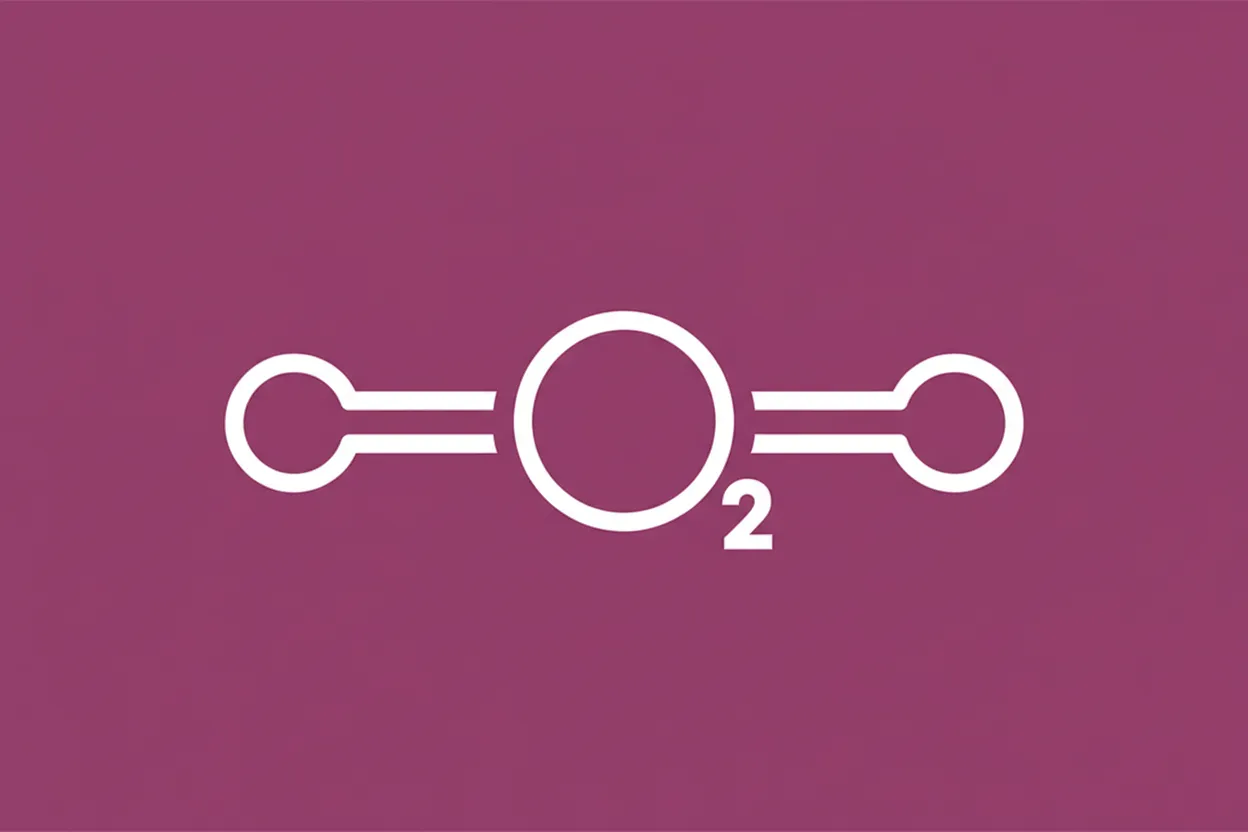
CO2 (Carbon Dioxide) is a gas made of one carbon atom and two oxygen atoms, naturally part of the air we breathe. It plays a key role in life by helping plants grow and keeping Earth warm enough to live on.
Too much CO2 acts like a thick blanket, trapping extra heat and causing climate change. Human activities, like burning fossil fuels and cutting down forests, add extra CO2 that nature can’t fully absorb.
Reducing CO2 means cleaner energy, planting trees, and smarter everyday choices. Everyone can help balance this natural gas to protect our planet’s future. What small step could you take today?
Definition: CO2 (carbon dioxide)
CO2, or carbon dioxide, is a gas made of one carbon atom bonded to two oxygen atoms. It naturally exists in the air we breathe at a small level. Plants use CO2 to grow, and animals release it when they breathe. While it helps keep Earth warm, extra CO2 from human activities causes climate change.
Extra CO2 from human activities causes climate change. CO2 helps keep Earth warm but is a gas made of one carbon atom and two oxygen atoms.
Think of CO2 like a blanket around Earth that keeps it warm. Just the right amount is good, but too much traps extra heat, causing problems like hotter weather and ocean changes. Planting trees or using clean energy helps pull CO2 from the air, balancing the blanket’s thickness.
Clearing up the myths about carbon dioxide and its impact
Have you ever wondered if carbon dioxide is really as harmless as some say? Many people think CO₂ plays a minor role in climate change or that it only comes from burning fossil fuels. These ideas can make it harder to see the full picture of how CO₂ affects our planet.
It’s true that natural sources emit plenty of CO₂, but human activities add extra amounts that nature can’t fully absorb. This extra CO₂ traps heat in the atmosphere, driving climate change. Plus, CO₂ isn’t just about the environment—its levels can also affect indoor air quality and human health, especially in poorly ventilated spaces.
Some believe more CO₂ means healthier plants and better food, but higher CO₂ can actually reduce important nutrients in crops. This challenges global food security as we work toward a sustainable future.
Recognizing these misconceptions helps us make smarter choices about reducing emissions and protecting both the environment and our well-being.
7 examples on sources and impacts of greenhouse gases
Greenhouse gases come from many places and activities, each affecting our planet’s warmth in different ways. Here are some key examples that show where these gases come from and why managing them matters:
- Fossil fuel burning: This is a major source of greenhouse gases, releasing large amounts from cars, factories, and power plants. It’s a top target for reducing emissions.
- Deforestation: Cutting down trees reduces the earth’s ability to absorb greenhouse gases, increasing their levels in the atmosphere. Forests act like natural air filters.
- Agriculture: Livestock like cows produce methane, a potent greenhouse gas. Farming practices also release gases from soil and fertilizers.
- Waste management: Landfills produce methane as organic waste breaks down. Proper recycling and composting can cut these emissions significantly.
- Industrial processes: Certain manufacturing steps release greenhouse gases as byproducts. Shifting to cleaner technologies helps lower these emissions.
- Energy production: Burning coal, oil, or gas for electricity generates greenhouse gases. Renewable energy sources offer a cleaner alternative.
- Transport: Cars, trucks, ships, and planes all emit greenhouse gases. Moving towards electric vehicles and public transit can reduce this impact.
Some sources release greenhouse gases quickly, like burning fuel in cars, while others build up slowly, like the long-term loss of forests. Both require different strategies to manage their effects effectively.
Terms related to carbon emissions
Carbon emissions play a big role in shaping our planet’s climate and health.
- Greenhouse gas: Gases that trap heat in the atmosphere, leading to a warming effect on Earth.
- Climate change: Long-term shifts in weather patterns, partly driven by increased carbon emissions.
- Carbon footprint: The total amount of carbon emissions caused by an individual, organization, or product.
- Carbon capture and storage (CCS): Technology that captures carbon emissions before they enter the air and stores them underground.
- Renewable energy: Energy sources like wind or solar that don’t produce carbon emissions when generating power.
Frequently asked questions about carbon dioxide and its impact
Carbon dioxide (CO2) plays a big role in our environment and how we manage waste and resources.
What is the role of CO2 as a greenhouse gas?
CO2 traps heat in the atmosphere, which helps keep Earth warm. But too much CO2 from burning fossil fuels causes global warming, affecting climate and natural systems.
How does CO2 contribute to climate change?
Excess CO2 increases the greenhouse effect, leading to rising temperatures, changing weather patterns, and impacts on ecosystems and human health worldwide.
What is a carbon footprint?
A carbon footprint measures how much CO2 and other greenhouse gases a person, product, or organization produces, helping us understand our impact on the planet.
How does photosynthesis help reduce CO2?
Plants absorb CO2 to make food during photosynthesis, acting as natural carbon sinks that help balance the atmosphere and support life.
What is carbon capture and storage (CCS)?
CCS is a technology that captures CO2 from factories or power plants and stores it underground to prevent it from entering the air and worsening climate change.
How do fossil fuels relate to CO2 emissions?
Burning fossil fuels like coal, oil, and gas releases large amounts of CO2, making them a major source of human-caused greenhouse gases and climate change.
