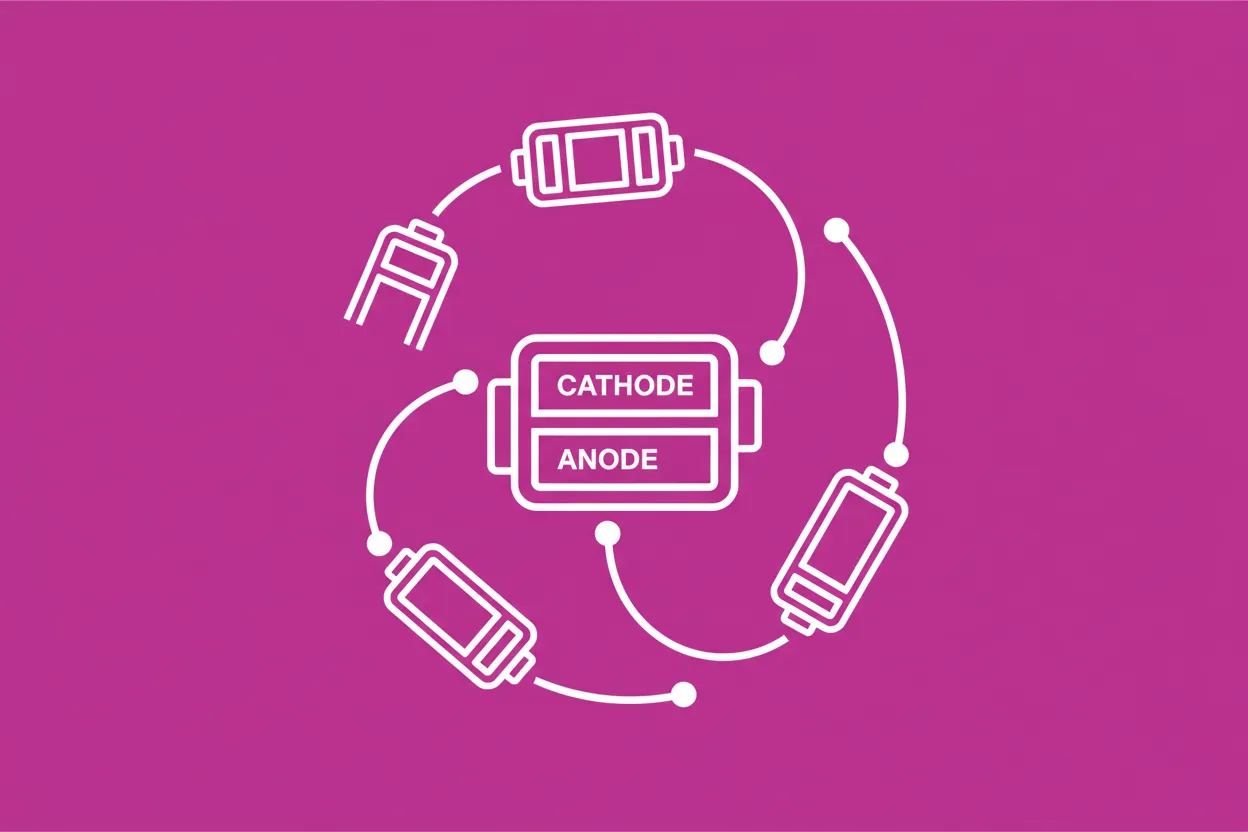
Direct recycling (batteries) is a clever way to save and reuse valuable parts inside used batteries without breaking them down completely. This method recovers important materials like lithium and cobalt while using less energy and creating less pollution than traditional recycling.
Saving these materials in their original form means we can make new batteries more easily and with less harm to the environment. By reusing battery components directly, we cut down on mining and waste, supporting a more circular and sustainable economy.
Definition: direct recycling (batteries)
Direct recycling (batteries) is the process of recovering and reusing valuable battery materials, like lithium and cobalt, without breaking the battery down completely. It carefully removes and preserves the battery’s active layers, saving energy and reducing pollution compared to traditional recycling methods.
Direct recycling carefully removes and preserves the battery’s active layers. It recovers and reuses valuable battery materials without breaking them down completely.
For example, instead of melting a used electric car battery to extract metals, direct recycling keeps the battery’s materials intact so they can be reused in new batteries. This saves energy and reduces the need for harmful mining activities.
How direct battery material recovery is shaping Europe's green future
Can recycling batteries be simpler and more eco-friendly? Direct recycling offers a way to reuse valuable materials from used lithium-ion batteries without complex treatments. This helps save energy and keeps materials in good condition for new batteries.
This approach became popular in Europe during the early 2020s as electric vehicle demand grew fast. Unlike traditional recycling that often breaks down materials chemically, direct recycling restores battery parts like cathodes and anodes to their original form. This makes it easier to reuse them, cutting down energy use and waste.
Several projects are pushing this idea forward. The EU-funded ReUse project develops smart, energy-saving methods to recycle lithium iron phosphate batteries. Meanwhile, companies like BASF and Northvolt have built facilities that combine battery production with recycling, closing the material loop.
By focusing on direct recycling, Europe reduces reliance on imported raw materials and lowers carbon footprints. This strategy not only supports a circular economy but also helps deliver cleaner, more sustainable energy solutions for the future.
7 examples on innovative battery material recovery methods
Here are practical ways companies and researchers are improving how valuable materials in used batteries get a second life:
- Reusing cathode powders: This method involves carefully extracting and refreshing cathode powders so they can be used again. It saves the energy and resources needed to make new materials from scratch.
- Electrochemical relithiation: A technique that restores lithium ions in degraded battery components, boosting their performance for reuse. It helps maintain battery capacity without full recycling.
- Solvent-based separation: Using special liquids to dissolve binders and separate active materials, making recovery cleaner and more efficient. This approach reduces contamination in recycled materials.
- Thermal treatment with controlled atmosphere: Heating battery parts in specific gases to recover cathode materials without damaging their structure. This preserves the quality of materials for reuse.
- Mechanical sorting and crushing: Breaking down batteries into smaller parts to sort metals and active materials mechanically. It’s a first step before more precise recovery techniques.
- Hydrometallurgical relithiation: Using water-based chemical processes to add lithium back into cathode materials, restoring their original properties. It’s a low-impact, effective recovery strategy.
- Reuse of black mass: Extracted powder from crushed batteries containing active materials, black mass can be directly processed and reused in new battery production. This reduces waste significantly.
While these methods focus on bringing materials back to life, traditional recycling often breaks materials down completely, losing some value. Direct recovery techniques aim to keep materials intact, which means less waste and energy use overall.
Key terms connected to battery recycling processes
Recycling batteries helps recover valuable materials, reducing waste and supporting a more circular economy.
- Battery materials recovery – Process of extracting metals like lithium, cobalt, and nickel from used batteries for reuse.
- Circular economy in battery industry – A system where batteries are designed, used, and recycled to minimize waste and resource use.
- Battery reuse and repurposing – Using old batteries in new ways, such as energy storage, before recycling them.
- Battery lifecycle management – Tracking and optimizing a battery’s entire life, from production to disposal or recycling.
- Lithium-ion battery recycling – Techniques focused on safely breaking down and reclaiming materials from lithium-ion batteries.
- Sustainable battery manufacturing – Creating batteries with minimal environmental impact and easier recyclability.
- Battery waste management – Strategies to safely handle and dispose of battery waste to protect the environment.
Frequently asked questions on direct recycling of batteries
Direct recycling helps recover valuable materials from used batteries to support a circular economy and reduce waste.
What is direct recycling of batteries?
Direct recycling is a process that recovers battery materials without breaking them down completely, keeping them closer to their original form. This saves energy and helps reuse valuable components efficiently.
How does direct recycling support the circular economy in the battery industry?
By recovering materials from old batteries, direct recycling keeps resources in use longer, reduces the need for mining new materials, and lowers environmental impact—making battery production more sustainable.
Can batteries be reused or repurposed after direct recycling?
Yes! Some batteries or their parts can be refurbished or repurposed for less demanding uses, extending their life before final recycling, which helps reduce waste and resource consumption.
What materials can be recovered through direct recycling of lithium-ion batteries?
Materials like lithium, cobalt, nickel, and manganese can be recovered in a usable form, allowing manufacturers to produce new batteries without relying heavily on raw mining.
How does direct recycling improve battery lifecycle management?
It closes the loop by turning old batteries into raw materials for new ones, reducing waste and supporting responsible management from production to disposal.
What role does sustainable battery manufacturing play in direct recycling?
Sustainable manufacturing designs batteries for easier recycling, making direct recycling more effective and reducing environmental footprints throughout the battery’s life.
How does direct recycling reduce the environmental impact of battery disposal?
It prevents harmful chemicals from entering landfills, lowers pollution, and conserves natural resources by reusing materials, contributing to a cleaner and safer environment.
