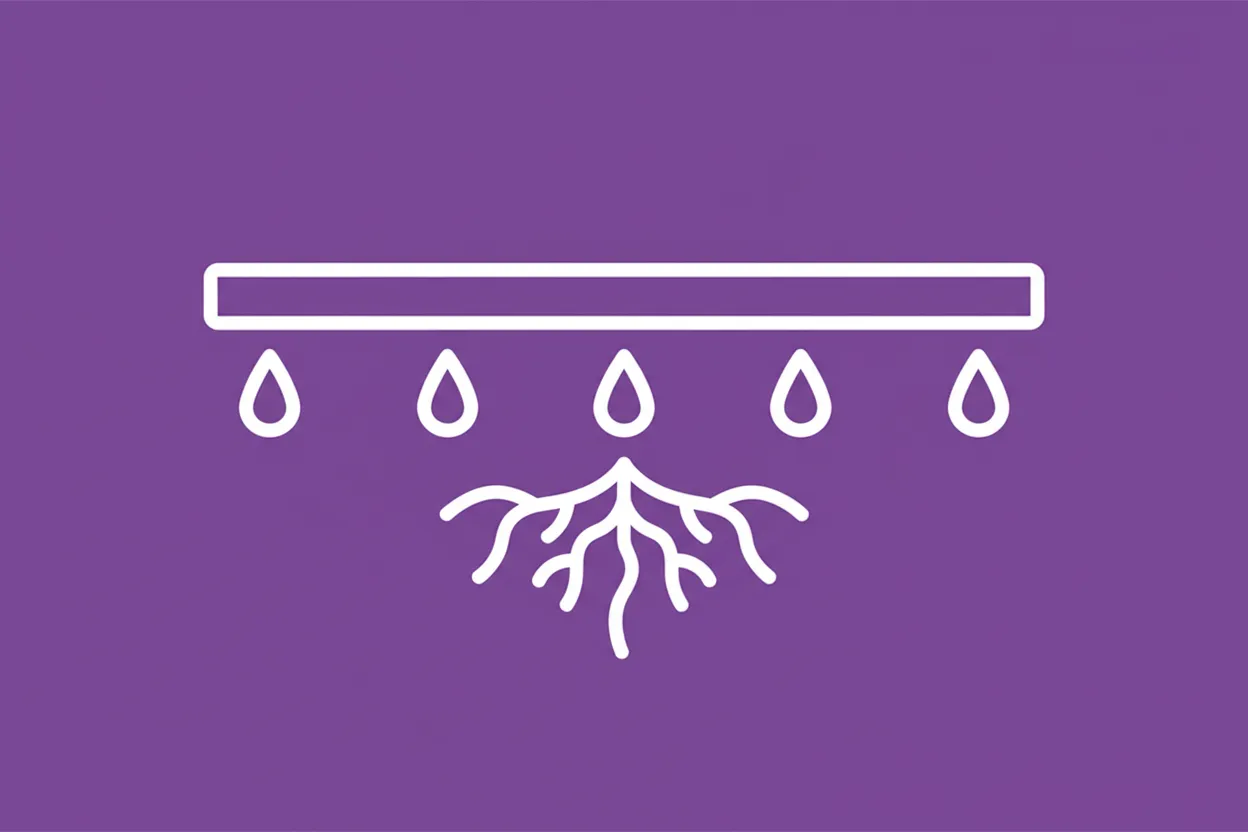
Drip Tape (Irrigation) is a smart way to water plants by using a thin, flat hose with tiny holes that slowly release water right where plants need it most—their roots. This method saves a lot of water compared to sprinklers by cutting down evaporation and runoff.
By delivering water gently and directly, drip tape helps plants grow stronger and healthier while using less water. It’s easy to set up and move around, making it a flexible choice for gardens and farms aiming for sustainability.
Using drip tape is a simple step toward saving water, reducing waste, and supporting greener farming practices that protect our environment. Have you ever tried watering your plants this way?
Definition: Drip tape (irrigation)
Drip tape is a thin, flat hose with small holes that releases water slowly and directly to plant roots. It saves water by cutting evaporation and runoff compared to sprinklers. This efficient watering method supports healthier plants and can be easily moved or replaced in gardens or farms.
Drip tape cuts evaporation and runoff by delivering water slowly and directly to roots. It is a thin hose with small holes that releases water precisely where plants need it.
For example, a farmer growing tomatoes can lay drip tape along each row. Water flows gently out of the holes, soaking the soil near roots without wetting leaves or wasting water, helping the tomatoes grow strong and healthy while using less water.
Tracing the journey of drip tape irrigation technology
How did ancient farmers manage water efficiently without modern tools? Early methods like buried clay pots helped deliver water slowly to roots, reducing waste. These simple techniques laid the foundation for today's drip tape irrigation systems.
Over centuries, innovations in different regions refined water delivery to plants. From clay pipes in Afghanistan to perforated pipes in Germany, people sought ways to control water flow. The real game-changer arrived in the mid-20th century with plastic pipes, making irrigation more precise and affordable for farmers everywhere.
What role did companies and inventors play in advancing drip tape irrigation? Inventors like Hannis Thill and Simcha Blass introduced designs that prevented clogging and ensured steady water drips. Meanwhile, firms like Valducci embraced new tech early, helping spread sustainable irrigation methods globally.
Drip tape irrigation today supports water conservation and boosts crop yields. Its history shows how combining traditional wisdom with modern innovation leads to sustainable farming solutions.
3 examples on sustainable water management tools
Here are some practical examples of tools that help save water and support circular use in agriculture:
- Soaker hoses: These hoses release water slowly along their length, reducing runoff and waste. They help keep soil moist, encouraging efficient water use.
- Mulch films: Thin layers spread over soil to reduce evaporation and protect moisture. They often use biodegradable materials to minimize environmental impact.
- Rainwater harvesting systems: Collect and store rainwater for irrigation, lowering reliance on groundwater. Using collected water promotes circular water use and reduces waste.
While traditional sprinklers spray water broadly, leading to loss through evaporation and runoff, these tools target water delivery precisely, boosting sustainability in farming.
Terms related to efficient water delivery in agriculture
Using precise water delivery methods can significantly reduce water waste and improve crop growth.
- Microirrigation: A system that applies water directly to the roots, reducing evaporation and runoff.
- Water conservation: Practices aimed at using water wisely to protect this vital resource.
- Crop water use efficiency: How well crops use the water available for growth.
- Soil moisture management: Techniques to maintain optimal water levels in the soil for plants.
- Irrigation technology: Tools and systems designed to deliver water effectively to crops.
- Agricultural plastic waste recycling: Processes that recover and repurpose plastic used in farming.
- Precision agriculture: Using technology to monitor and manage crops for better resource use.
Frequently asked questions on drip tape irrigation
Drip tape irrigation is a smart way to water crops efficiently using thin tubes that deliver water directly to the plants’ roots.
What is drip tape in microirrigation?
Drip tape is a type of microirrigation tubing that slowly releases water along its length, providing precise watering to plants. This method reduces water waste and supports healthy crop growth by targeting the root zone.
How does drip tape help with sustainable irrigation?
By delivering water directly to plant roots, drip tape minimizes evaporation and runoff. This focused watering supports sustainability by conserving water and reducing energy use compared to traditional irrigation methods.
Can drip tape improve crop water use efficiency?
Yes, drip tape increases water use efficiency by supplying just the right amount of water to crops. This means plants use less water for growth, leading to better yields with lower water consumption.
What role does drip tape play in agriculture water management?
Drip tape allows farmers to control water application precisely, adapting to crop needs and soil conditions. This precise management helps avoid overwatering and preserves water resources.
Is agricultural plastic waste from drip tape recyclable?
Some drip tape materials can be recycled, but it depends on local facilities and the tape’s condition. Recycling agricultural plastics helps reduce waste and supports circular economy goals in farming.
