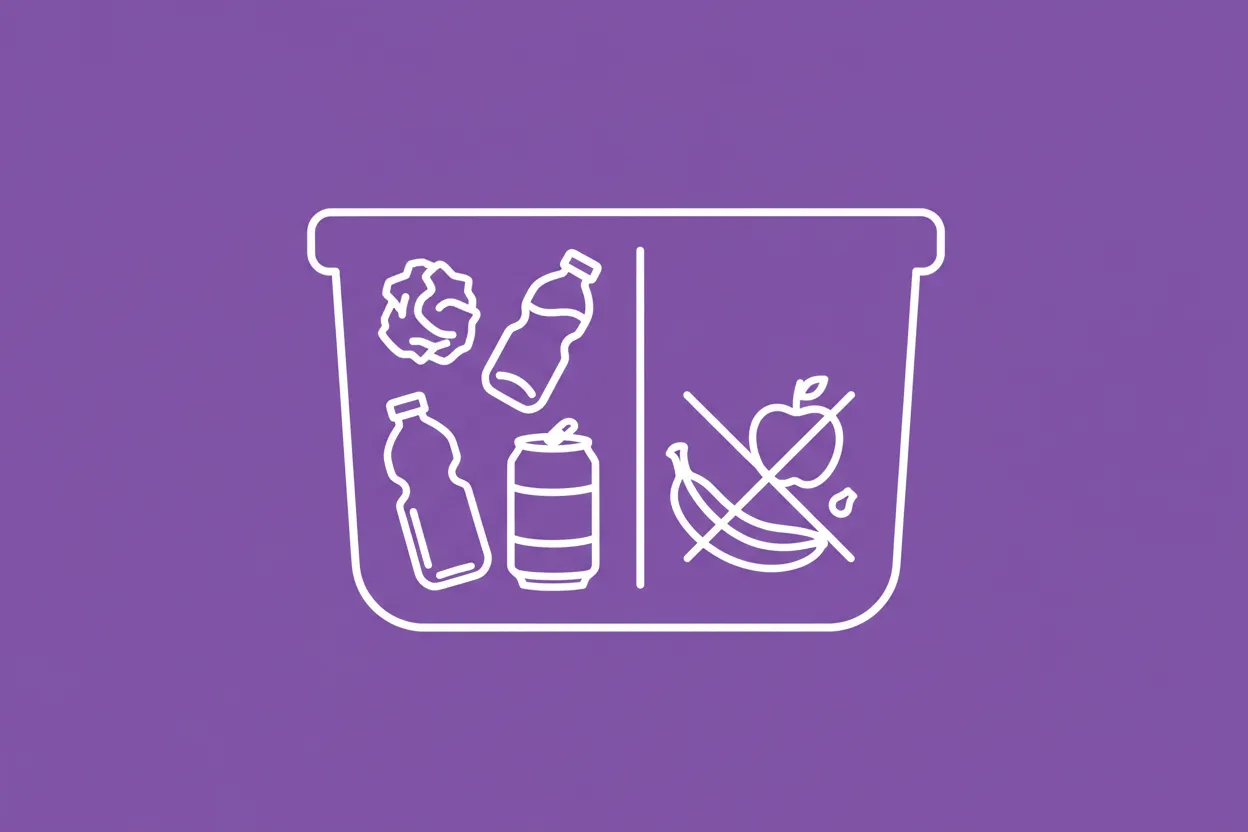
Sorting waste can be confusing when dry recyclables get mixed with wet or food waste, which can ruin the whole batch. When dry materials like paper, plastic, metal, and glass get dirty or wet, recycling centers struggle to process them properly.
Dry Mixed Recycling solves this by collecting all dry recyclable materials together in one bin, making recycling easier for everyone. This system keeps recyclables clean and dry, helping recycling centers separate and turn materials into new products efficiently.
Definition: dry mixed recycling
Dry Mixed Recycling (DMR) is a system where dry recyclable materials like paper, plastic bottles, metal cans, and glass containers are collected together in one bin. It excludes wet or food waste to keep recyclables clean and easier to process at recycling centers.
Dry Mixed Recycling keeps dry recyclables clean and together in one bin. It collects paper, plastic, metal, and glass without food or liquid waste.
Think of DMR like a shared basket for your dry recyclables at home. Instead of sorting paper, plastic, and metal into separate bins, you place them all in one container—just make sure nothing wet or dirty goes in. This simple step helps recycling centers sort and recycle materials more efficiently.
How dry mixed recycling has changed through time
What makes dry mixed recycling (DMR) different from traditional recycling? Instead of sorting recyclables at home, DMR collects paper, plastics, metals, and cardboard all mixed together. This method has made recycling simpler but also brought new challenges.
Early experiments in Europe during the 1980s tested collecting mixed recyclables to boost recycling rates. While this helped increase participation, it also led to contamination issues, lowering the quality of recycled materials. To tackle this, specialized sorting centers called Materials Recovery Facilities (MRFs) were created, using technology to separate materials effectively.
Countries across Europe have adapted DMR to fit their needs, like the Netherlands banning free plastic bags to reduce waste. These policies support cleaner recycling streams and encourage reusable options. Public education and technological upgrades have played big roles in improving DMR systems.
Continuous innovation in sorting and waste management shows how DMR supports sustainability goals. It’s a clear example of circular economy principles in action, turning mixed waste into valuable resources.
4 examples on materials commonly found in household recycling
Here are some typical items that often go into your blue bin and how they fit into recycling programs:
- Plastic bottles: These are widely accepted because they are easy to clean and recycle into new containers or fibers. Using plastic bottles in recycling helps reduce the need for new plastic production.
- Tin cans: Food and drink cans are made from metal that can be melted down and reused multiple times. Recycling tin cans saves energy compared to making metal from raw materials.
- Paper and cardboard: Newspapers, magazines, and boxes are valuable for making new paper products. Properly sorted paper and cardboard reduce waste sent to landfills and conserve trees.
- Glass jars and bottles: Clear, green, and brown glass containers are recyclable and can be turned back into new glass products. Recycling glass jars and bottles lowers pollution and energy use.
While many materials can be recycled together, they often require different processing methods. Mixing certain items can contaminate the batch, making it harder to recycle effectively.
Terms related to waste sorting and recycling streams
Around 30% of household waste can be recycled when properly sorted into different streams.
- Waste sorting: The process of separating waste into categories like paper, plastics, and metals to improve recycling efficiency.
- Recycling streams: Different groups of materials collected separately to be recycled, such as glass, plastics, and paper.
- Material Recovery Facility (MRF): A place where mixed recyclables are sorted and prepared for reuse or recycling.
- Contamination in recycling: When non-recyclable items or dirty materials mix with recyclables, reducing the quality of recycled products.
- Circular economy: An approach where products and materials are kept in use for as long as possible through reuse, repair, and recycling.
- Packaging waste: Materials like plastic, cardboard, and metal used for packaging that often end up in recycling streams.
- Sustainable waste treatment: Methods of handling waste that minimize environmental impact, such as recycling and composting.
Frequently asked questions on dry mixed recycling
Here are clear answers to common questions about dry mixed recycling and how it fits into waste and sustainability.
What is dry mixed recycling?
Dry mixed recycling means collecting different dry recyclable materials—like paper, plastic, glass, and metal—in one bin. This makes recycling easier but requires sorting later to separate each material for proper recycling.
How does contamination affect recycling?
Contamination happens when non-recyclable or dirty items get mixed in. It can spoil whole batches, making it harder or impossible to recycle materials properly. Keeping recyclables clean and separate helps improve recycling quality.
What is a material recovery facility (MRF)?
An MRF is a specialized plant where mixed recyclables are sorted into separate materials. Machines and workers remove unwanted items and prepare materials for recycling, helping turn waste into new products efficiently.
How does dry mixed recycling support the circular economy?
By collecting recyclables together and sorting them for reuse, dry mixed recycling helps keep materials in circulation longer. This reduces waste and the need for new resources, supporting a more sustainable and circular system.
What types of packaging waste go into dry mixed recycling?
Most dry packaging like cardboard boxes, plastic bottles, metal cans, and glass jars can go into dry mixed recycling. Avoid putting food-soiled or flexible packaging if your local system doesn’t accept it, as these can cause contamination.
How is plastic recycled through dry mixed recycling?
Plastics collected in dry mixed recycling are sorted by type and cleaned at MRFs. Then they’re shredded and melted to make new plastic products. Recycling plastic saves energy and reduces the need for virgin plastics from fossil fuels.
Why is waste sorting important?
Sorting waste at home or work helps recyclers by reducing contamination and making materials easier to recycle. When recyclables are separated from food or hazardous waste, they are more likely to be turned into new products.
What is sustainable waste treatment?
Sustainable waste treatment means handling waste in ways that protect the environment and save resources. Recycling dry materials is one method, alongside composting and energy recovery, to reduce landfill use and pollution.
How do recycling streams work in dry mixed recycling?
Dry mixed recycling collects various materials together but relies on sorting at facilities to separate paper, plastics, metals, and glass. Each material follows its own recycling stream to be processed and reused effectively.
