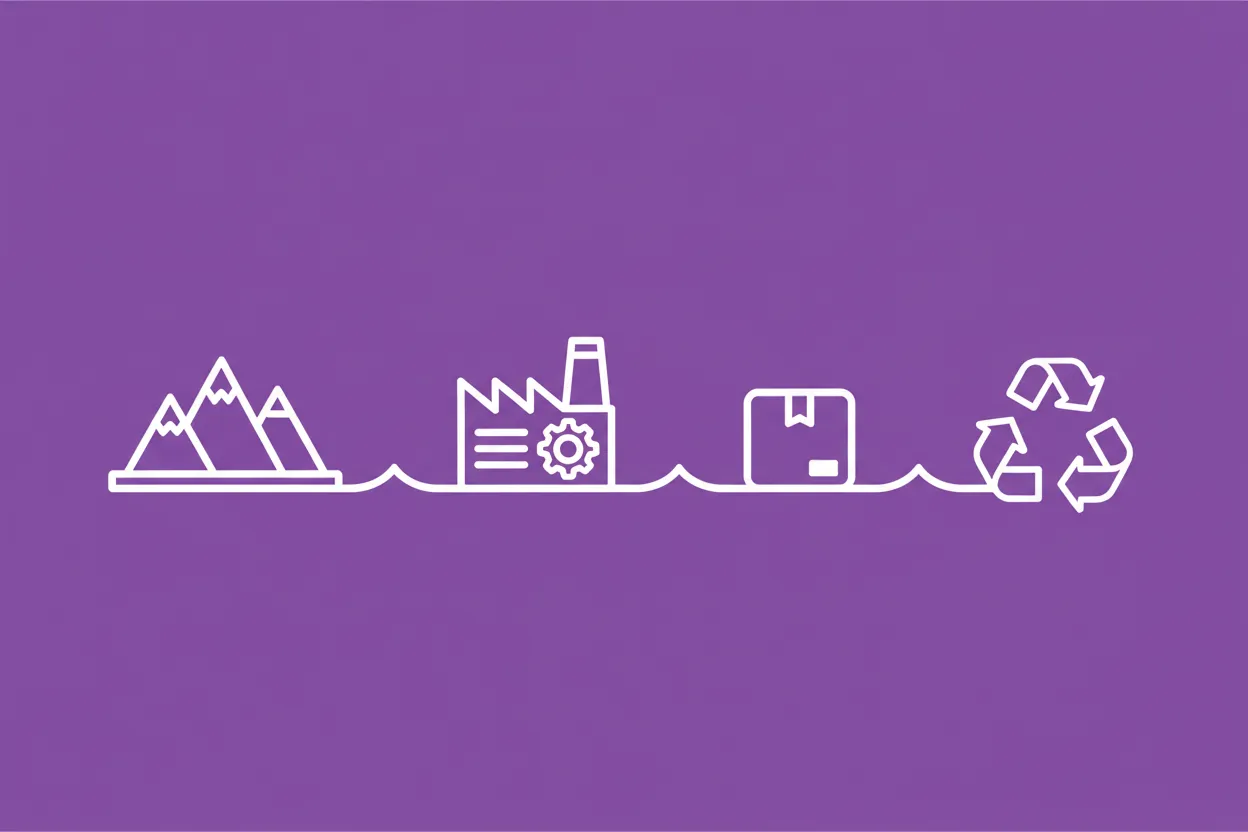
Making sure products are made and managed with care for people and the planet is the heart of Due Diligence Obligation (EPR). It means companies must actively check that their products come from responsible sources and follow eco-friendly practices all the way through their lifecycle. This responsibility helps reduce waste, supports recycling, and encourages fair treatment in production.
Definition: Due diligence obligation (EPR)
Due diligence obligation (EPR) means companies must actively check that their products are made and sourced in a way that is good for the environment and society. This includes managing risks during production and ensuring products are easier to recycle and less harmful throughout their life.
Companies manage risks during production and ensure products are less harmful throughout their life. Due diligence obligation (EPR) means actively checking that products are made in an environmentally and socially responsible way.
For example, a business might verify that raw materials come from sustainable sources and that factories treat workers fairly. This way, the company not only follows EU rules but also helps reduce pollution and waste while supporting ethical practices.
How did responsibility for product lifecycle evolve in Europe?
Have you wondered how companies became responsible for the entire journey of their products, from creation to disposal? This shift didn’t happen overnight. It grew from the idea that producers should care about more than just selling—they should also manage waste and recycling.
The concept started in Sweden in 1990 when an expert suggested holding manufacturers accountable for their products’ full environmental impact. This idea, called Extended Producer Responsibility (EPR), quickly influenced policies across Europe. Countries began adopting laws to ensure producers handled waste, encouraged recycling, and reduced pollution.
Over time, these policies expanded beyond waste management, including laws that require companies to check their supply chains for human rights and environmental risks. New directives like the Corporate Sustainability Due Diligence Directive, introduced in 2024, broaden the scope to cover social and environmental responsibilities in all business operations.
The growing focus on EPR shows how sustainability and ethical practices are becoming central to how companies operate in Europe. This approach helps protect the planet and communities by making producers part of the solution.
7 examples on responsible product lifecycle management
Companies take several steps to ensure they handle products and materials responsibly throughout their lifecycle. These actions support sustainability and help reduce waste:
- Material sourcing checks: Verifying that raw materials come from ethical and sustainable sources is a key part of responsible management. This helps prevent environmental harm and supports fair labor practices.
- Product design for recyclability: Designing products so they are easy to recycle encourages circularity. This means fewer resources are wasted after the product’s use.
- Supplier audits: Regularly reviewing suppliers’ practices ensures they comply with environmental and social standards. This keeps the supply chain transparent and accountable.
- Waste tracking systems: Monitoring waste generation and disposal helps companies minimize landfill contributions and improve recycling rates.
- Consumer take-back programs: Offering ways for customers to return used products supports reuse and proper recycling. This closes the loop on product life.
- Clear labeling for recycling: Providing straightforward recycling instructions on packaging helps consumers dispose of items correctly, increasing recycling efficiency.
- Environmental impact reporting: Sharing data on product-related emissions and waste promotes transparency and drives continuous improvement.
Some companies focus mainly on compliance, while others see these actions as opportunities to innovate and lead in sustainability. This difference shapes how far-reaching and effective their environmental efforts become.
Terms related to responsibilities for sustainable business practices
Many companies are now required to take extra steps to ensure their operations are environmentally and socially responsible.
- Corporate Sustainability Due Diligence – Companies assess their environmental and social impacts to promote responsible business actions.
- Environmental Impact Assessment – A process to evaluate how a project might affect the environment before it starts.
- Supply Chain Transparency – Sharing information about where products come from and how they are made to ensure ethical practices.
- Human Rights Compliance – Following laws and guidelines that protect workers and communities affected by business activities.
- Environmental Protection Regulations – Rules designed to reduce pollution and protect natural resources.
- Due Diligence Reporting – Regularly sharing findings on environmental and social risks and how they are managed.
Frequently asked questions on due diligence obligation (EPR)
Here are clear answers to common questions about due diligence obligations related to EPR and sustainability.
What is corporate sustainability due diligence?
It means companies actively checking their whole business, including suppliers, to reduce environmental harm and promote responsible practices in line with EPR rules.
How does environmental impact assessment relate to due diligence?
It’s a process companies use to evaluate the effects their products or operations have on nature, helping them meet EPR and environmental protection requirements.
Why is supply chain transparency important for due diligence?
Knowing where materials come from ensures businesses follow EPR rules, avoid harmful practices, and support recycling and circular economy goals.
What role does human rights compliance play in due diligence?
Companies must ensure their products and supply chains respect workers' rights, linking social responsibility with environmental efforts under EPR.
How do environmental protection regulations affect due diligence?
These laws guide companies to reduce pollution and waste, making due diligence a key part of meeting legal standards and promoting sustainability.
What is due diligence reporting and why is it necessary?
It’s the process of documenting and sharing how a company manages risks related to environmental and social issues, showing transparency and commitment to EPR.
