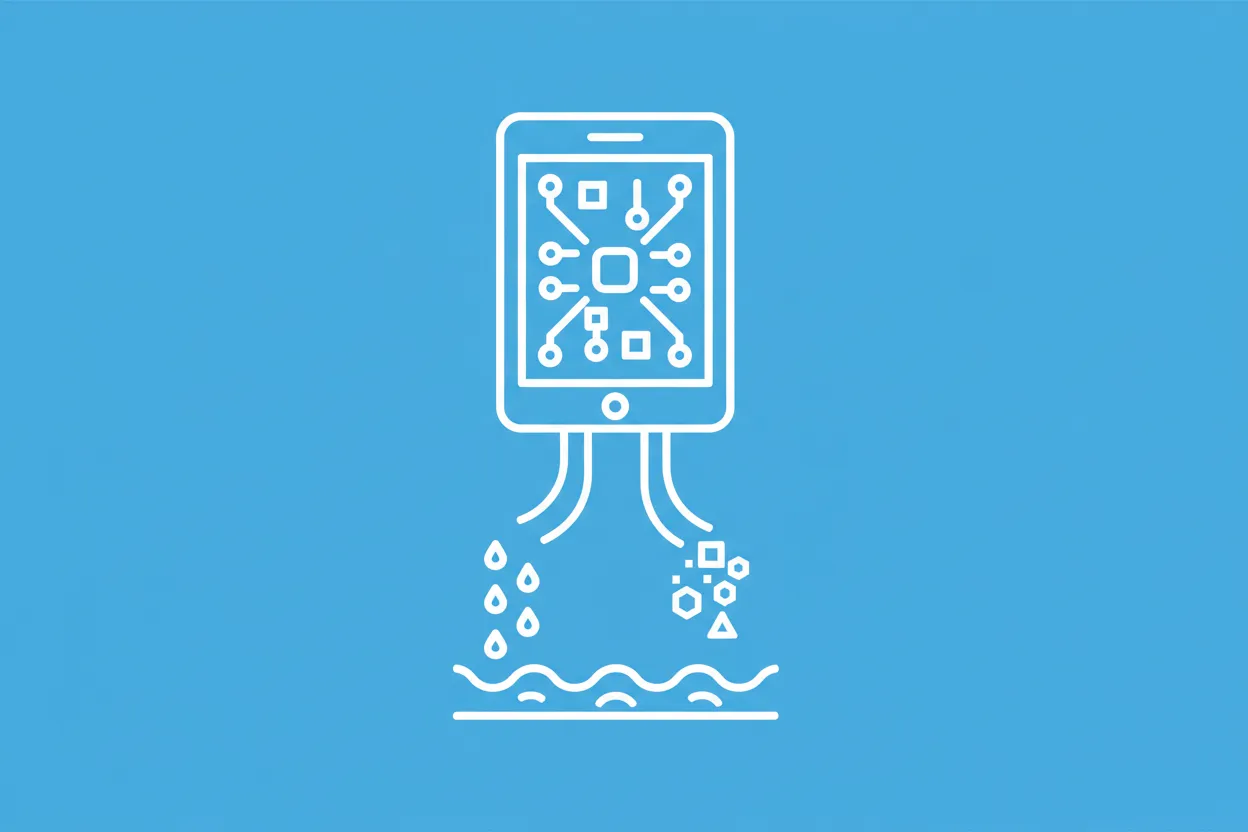
Old electronic devices piling up can cause serious harm to our planet because they often contain dangerous chemicals. Tossing out phones or computers carelessly lets toxic metals leak into soil and water, threatening animals and people alike.
At the same time, these same devices hold precious metals like gold and copper that can be recycled to make new gadgets. Without proper recycling, we waste valuable resources and increase pollution, but handling e-waste responsibly helps protect the environment and saves natural materials from being mined.
Definition: e-waste
E-waste means old or unwanted electronic devices like phones, computers, and TVs. These items can harm the environment because they have toxic materials inside. But they also hold valuable metals that can be recycled to make new products.
E-waste holds valuable metals that can be recycled. It means old or unwanted electronic devices that may harm the environment.
Think about your old phone. If you toss it in the trash, harmful chemicals inside can leak into the ground. But if you take it to a recycling center, those metals can be safely reused for new gadgets instead.
Tracing the journey of electronic waste management in Europe
What changes have shaped how Europe handles discarded electronics? Over the past two decades, the continent has seen a growing demand for devices and a rising awareness of e-waste’s environmental risks. This shift sparked new laws and recycling goals.
In 2002, the EU introduced the WEEE Directive to encourage recycling and proper disposal of electrical goods. Soon after, the RoHS Directive limited hazardous materials in electronics, reducing harmful waste. These rules set clear targets for collection and recycling, pushing producers to take responsibility for their products.
Despite progress, e-waste amounts keep climbing, with Europe producing over 13 million tonnes in 2022. Recycling rates have improved but still fall short of capturing all valuable materials. This ongoing challenge calls for stronger action and innovation.
Community events like the European Week for Waste Reduction help spread the message about cutting down e-waste. Also, companies such as Closing the Loop show how social enterprises can drive change by collecting and recycling electronics responsibly.
7 examples on managing electronic products responsibly
Here are some practical ways producers and consumers can take responsibility for electronic items at the end of their use:
- Take-back programs: Many manufacturers offer take-back programs to collect old electronics for proper recycling. This helps keep harmful materials out of landfills.
- Product redesign: Companies focus on designing electronics for easy disassembly and recycling. This improves material recovery and reduces waste.
- Recycling partnerships: Brands partner with certified recyclers to ensure safe and efficient processing of discarded devices.
- Consumer incentives: Offering discounts or rewards encourages people to return used electronics instead of throwing them away.
- Repair services: Supporting repair options extends product life, reducing the need for new devices and lowering overall waste.
- Material recovery: Advanced processes allow recovery of valuable metals like gold and copper, promoting resource circularity.
- Education campaigns: Informing the public about responsible disposal increases participation in recycling and reduces environmental harm.
While many electronics end up in landfills, these examples show that with effort, we can keep valuable materials in use and protect the environment. The contrast highlights how much better the system can work when everyone plays their part.
Terms related to electronic waste management
Over 50 million tonnes of discarded electronics are generated worldwide each year, creating both challenges and opportunities for resource recovery.
| Term | Description |
|---|---|
| Electronic recycling | Process of recovering valuable materials from old electronics. |
| Hazardous substances | Harmful chemicals found in devices, requiring careful handling. |
| Resource recovery | Extracting reusable materials from waste to reduce mining. |
| Circular economy | System where products are reused, repaired, and recycled continually. |
| Waste regulations | Laws governing how electronic waste must be collected and processed. |
| Sustainable design | Creating electronics that last longer and are easier to recycle. |
| Toxicity impact | Harm caused to health and environment by dangerous electronic materials. |
| Producer responsibility | Requirement for manufacturers to manage the disposal of their products. |
| Refurbishment | Repairing used electronics to extend their life before recycling. |
Frequently asked questions on e-waste
Here are some common questions about electronic waste and how it affects us and the planet.
What is electronic waste recycling?
Electronic waste recycling means breaking down old or broken electronics to recover valuable materials like metals and plastics. This helps reduce pollution and saves resources by keeping useful materials out of landfills.
Why do electronics contain hazardous materials?
Many electronics have harmful substances like lead, mercury, or cadmium. These materials can damage the environment and human health if not handled carefully during disposal or recycling.
How does resource recovery work in e-waste?
Resource recovery involves extracting metals, plastics, and glass from discarded electronics. These recovered materials can be reused to make new products, reducing the need to mine raw resources.
What role does the circular economy play in managing e-waste?
The circular economy encourages designing products to last longer, be repaired, and recycled. This approach minimizes waste by keeping materials in use, helping to protect the environment and save money.
What are waste management regulations for e-waste?
Waste management regulations set rules for how electronics must be collected, treated, and recycled. These laws ensure producers take responsibility and protect communities from harmful waste.
How can electronics be designed sustainably?
Sustainable electronics use fewer toxic materials, are easier to repair, and are designed to be recycled. This reduces environmental impact and helps products stay in use longer.
What is the toxicity and environmental impact of e-waste?
E-waste can release toxic chemicals into soil and water if not managed properly. This pollution harms wildlife and can cause health problems for people living near dumping sites.
What does producer responsibility mean for electronics?
Producer responsibility means companies that make electronics must manage the collection and recycling of their products. This encourages better product design and reduces waste.
How are materials reused and refurbished in e-waste?
Materials from old electronics can be cleaned, repaired, or refurbished to extend their life. Refurbished products often cost less and help reduce the demand for new resources.
