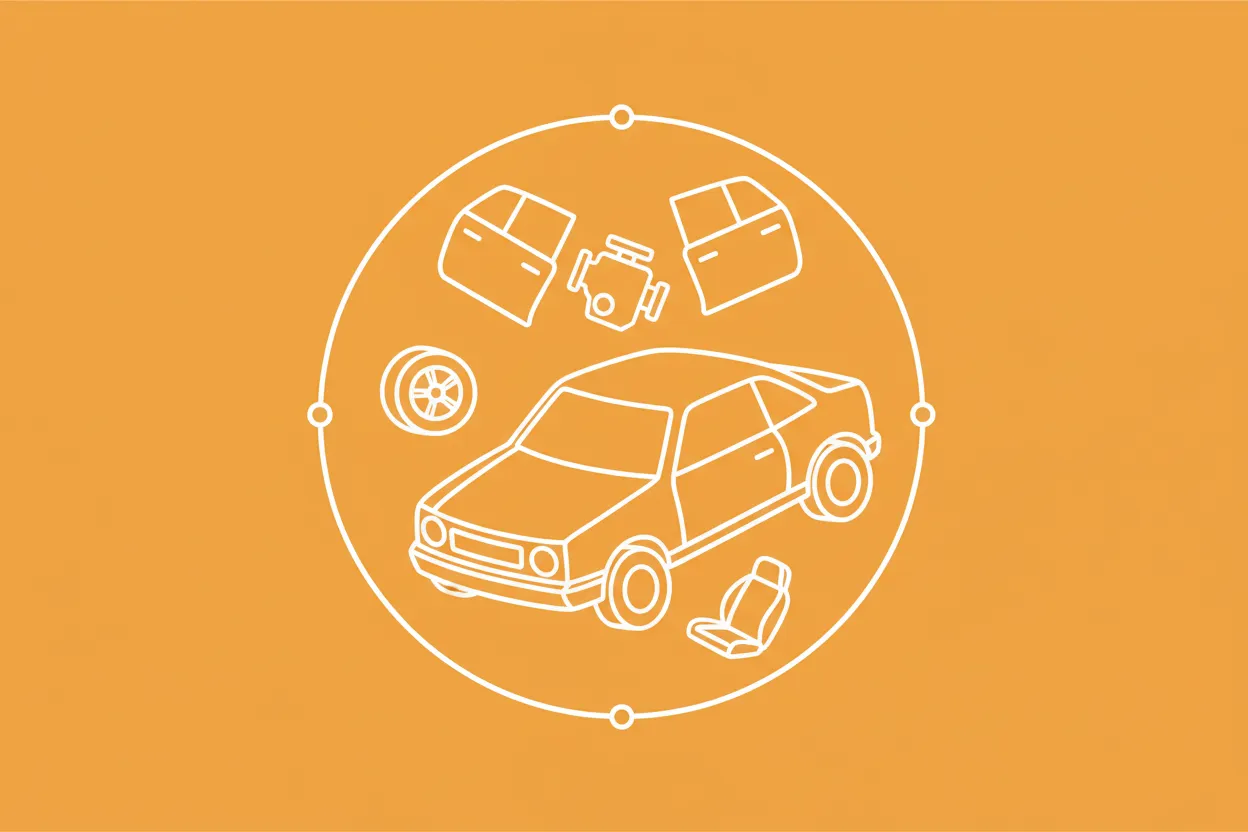
Setting goals to recover materials from old vehicles helps protect the environment and reduce waste. ELV Recovery Target is a legal aim that makes sure most parts and materials from end-of-life vehicles are reused or recycled instead of being thrown away. These targets push companies to recycle valuable materials and keep harmful waste out of landfills.
Clear recovery targets encourage recycling and reuse, which lowers pollution and saves natural resources. By meeting these goals, we support a circular economy where materials stay in use longer, creating jobs and protecting the planet for future generations.
Definition: ELV recovery target
The ELV recovery target is a legal goal for how much material from end-of-life vehicles (ELVs) should be recovered through recycling or reuse. It aims to reduce waste from old cars by making sure valuable parts and materials are taken out and reused instead of being thrown away or landfilled.
ELV recovery targets push companies to reuse or recycle most materials from old vehicles. They set clear goals for recovering valuable parts and reducing waste.
For example, when you scrap a car, the facility must recover at least 85% of its weight by recycling metals, plastics, and glass or reusing parts like engines. This keeps materials out of landfills and reduces pollution while saving natural resources.
How the EU set goals for vehicle recycling and recovery
What drives the push for better vehicle recycling? The European Union wanted to reduce waste and pollution from old cars, encouraging reuse and recycling. This started with clear targets in the 2000/53/EC Directive focused on cutting environmental harm.
The directive first required 85% of a vehicle’s materials to be reused or recovered, and 80% to be reused or recycled by 2006. Later, these goals rose to 95% reuse and recovery, and 85% reuse and recycling by 2015. It also limited harmful substances in vehicles to make recycling safer and easier.
Since then, the EU has continued to raise the bar. In 2023, new rules pushed for more recycled plastics and planned future targets for metals like steel and aluminum. This shows a strong commitment to moving the auto sector toward a circular economy.
These targets have helped many countries improve their recycling rates. By 2017, most EU members met or exceeded the set goals, proving that clear recovery targets can drive real progress toward sustainability.
5 examples on meeting vehicle recycling goals
Here are some practical ways to improve recovery rates for end-of-life vehicles:
- Dismantling centers: These facilities specialize in safely removing valuable parts and hazardous materials, boosting overall material recovery. They help ensure metals and plastics are separated effectively for recycling.
- Automated shredding: Using machines to break down cars enables easier sorting of metals and non-metals. This process increases the efficiency of material extraction from old vehicles.
- Material labeling: Clearly marking plastics and metals in vehicle components supports better sorting after dismantling. This reduces contamination and improves recycling quality.
- Producer responsibility programs: Car manufacturers take on the cost and logistics of vehicle recycling, encouraging design for easier recovery. These programs motivate companies to use recyclable materials.
- Hazardous fluid collection: Proper removal and disposal of oils, coolants, and batteries prevent environmental harm and allow recovery of valuable resources. It is a critical step before vehicle crushing.
Some regions achieve high recovery rates by combining these methods, while others struggle due to lack of infrastructure or regulations. The gap highlights how important system design and enforcement are to closing the loop.
Terms related to vehicle waste recovery goals
Vehicle recycling plays a crucial role in reducing waste and conserving resources in the automotive industry.
- End-of-Life Vehicle Directive (ELV Directive): European law setting rules for vehicle recycling and waste reduction.
- Vehicle Dismantling: The process of safely taking apart vehicles to recover parts and materials.
- Material Recovery Rate: Percentage of materials successfully recycled from vehicles.
- Circular Economy: An approach focused on reusing and recycling materials to minimize waste.
- Hazardous Materials: Dangerous substances in vehicles that require special handling during disposal.
- Automotive Recycling Facilities: Centers where vehicles are dismantled and materials processed.
- Waste Management: Systems and methods for collecting, processing, and disposing of waste safely.
- Sustainable Vehicle Design: Designing cars to be easier to recycle and less harmful to the environment.
- Resource Efficiency: Using fewer raw materials and maximizing reuse in vehicle production.
- European Waste Legislation: Laws governing waste handling and recycling across European countries.
Frequently asked questions on ELV recovery target
Learn key facts about the rules and goals for recovering materials from old vehicles.
What is the end-of-life vehicle (ELV) directive?
The ELV Directive is a European law that sets rules for collecting, treating, and recycling cars once they reach the end of their life. It aims to reduce waste and encourage recycling to protect the environment.
How are vehicles dismantled and recycled?
Vehicles are taken apart to remove hazardous parts and recover valuable materials like metals and plastics. Proper dismantling helps increase recycling rates and prevents harmful substances from polluting the environment.
Why is circular economy important in the automotive sector?
The circular economy focuses on reusing and recycling materials to reduce waste. In cars, this means designing vehicles so parts can be easily recycled or reused, saving resources and lowering environmental impact.
What role does waste management play in ELV recovery?
Waste management ensures that materials from old vehicles are properly sorted, treated, and recycled. Good waste management helps meet recovery targets and supports sustainable material use.
What hazardous materials are found in end-of-life vehicles?
Old cars often contain hazardous materials like lead, mercury, and certain plastics. Safely removing and handling these is crucial to prevent environmental damage during recycling.
What are the current material recovery rates for vehicles?
European rules require at least 85% of a vehicle’s weight to be reused or recycled, with a minimum of 80% recovered through recycling and energy recovery combined. These targets push for better resource efficiency.
How does European waste legislation support sustainable vehicle design?
Laws encourage manufacturers to design vehicles that are easier to dismantle and recycle. This supports sustainability by reducing waste and making it easier to recover valuable materials at a vehicle’s end of life.
