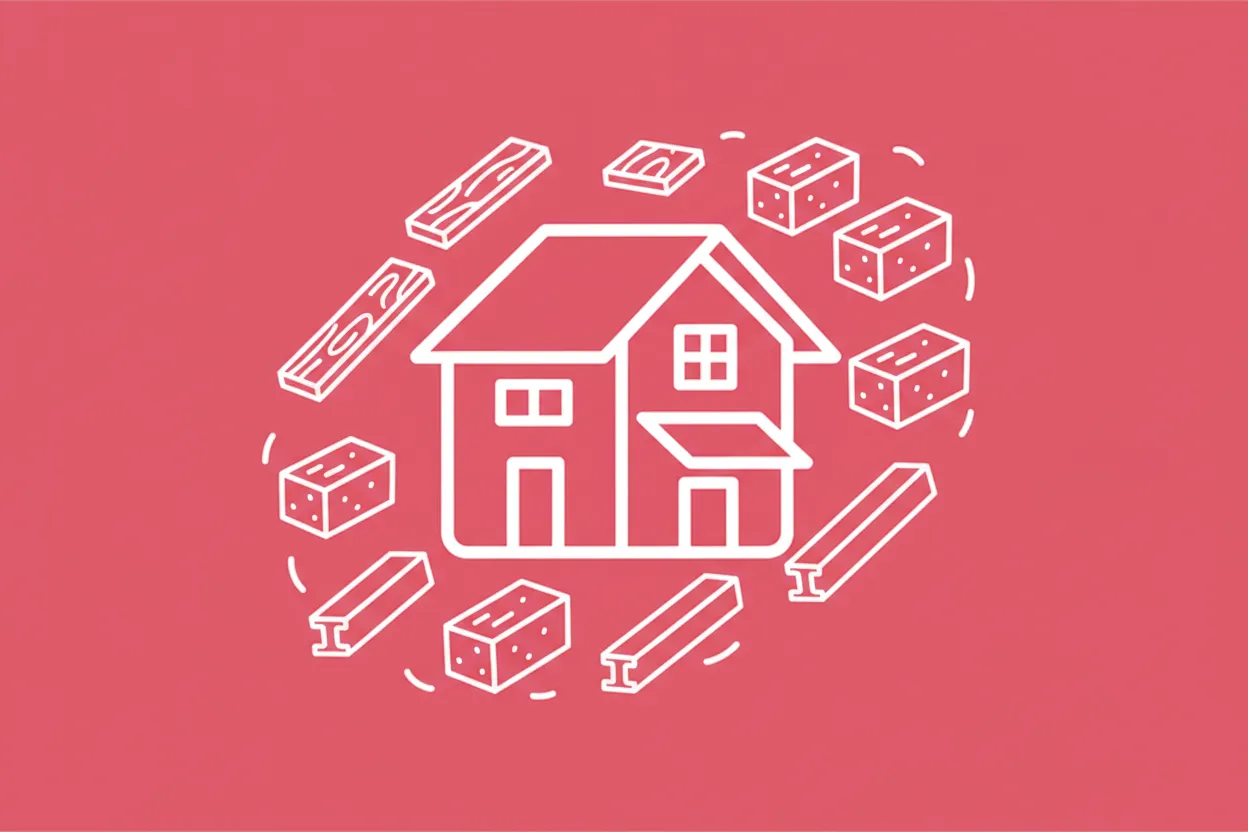
Think of EPR for construction materials as a smart system where producers don’t just make building supplies but also take care of what happens to them after use—like a chef who not only cooks a meal but also cleans up the kitchen afterward. This approach makes sure materials like wood, concrete, and metal don’t just get tossed out but find new life through recycling and reuse.
It’s like a team sport where everyone has a role: producers, builders, recyclers, and governments working together to keep valuable materials in play instead of letting them become waste. By taking responsibility, producers help reduce landfill piles and protect natural resources, making construction greener and more sustainable for communities everywhere.
Definition: EPR for construction materials
EPR for construction materials means producers are responsible for managing the waste of their building products throughout their lifecycle. This system makes companies handle collection and recycling of materials like wood, concrete, and metal after demolition or renovation. It helps reduce landfill waste and promotes reuse and recycling.
Producers manage the waste of their building products throughout their lifecycle. EPR for construction materials means companies handle collection and recycling after demolition.
For example, a company that makes insulation might create a program to collect old insulation from torn-down buildings and recycle it. This way, materials don’t just pile up in landfills but get reused in new construction, saving resources and reducing pollution.
Clearing up myths about extended producer responsibility in construction materials
What makes people doubt that EPR can work for construction materials? Many assume the sector’s complexity and long product lifespans make it unsuitable. Yet, countries like the Netherlands and France show these doubts don’t hold up in practice.
While some think EPR will simply add costs for buyers, it often sparks innovation that leads to smarter, greener building products. Plus, increasing recycling means less waste and potential savings over time. But it’s not a magic fix—EPR works best alongside better recycling systems and public awareness efforts.
Thinking EPR alone will handle all waste problems might be overly hopeful. It needs support from other eco-friendly strategies to truly make a difference.
EPR in construction isn’t perfect, but it’s a key step toward a circular economy where materials keep being reused rather than thrown away.
5 examples on how producers take responsibility for building waste
Producers can help reduce construction waste by adopting practices that ensure materials are reused or recycled properly. Here are some examples of how they can manage their products throughout their life cycle:
- Take-back programs: Producers collect old building materials from construction sites for recycling. This helps keep valuable resources in use and reduces landfill waste.
- Design for disassembly: Materials are designed to be easily taken apart and reused. This approach encourages circularity by making it simpler to recover components.
- Recycled content mandates: Manufacturers use recycled materials in new construction products. This supports the market for recycled materials and lowers environmental impact.
- Material labeling: Clear information on materials helps contractors sort and recycle waste correctly. It improves recycling rates and reduces contamination.
- Partnerships with recyclers: Producers collaborate with recycling facilities to ensure proper processing of returned materials. This creates a reliable system for material recovery.
While some producers are actively reducing waste, others have yet to adopt these practices widely. This contrast shows that progress depends on incentives and regulations encouraging responsibility.
Terms related to extended producer responsibility in construction
Construction materials contribute significantly to waste, making responsible management crucial for environmental health.
- Circular economy: A system where materials are reused, recycled, or repurposed to minimize waste and reduce resource use in construction.
- Sustainable materials: Building products designed to have a lower environmental impact throughout their lifecycle.
- Waste recovery: Processes that reclaim useful materials from construction and demolition debris.
- Eco-design: Creating products with environmental impacts in mind, aiming for easier recycling and reduced waste.
- Resource efficiency: Using materials and energy wisely to reduce waste and environmental footprint in building projects.
- Demolition waste: Materials leftover after tearing down buildings, requiring careful handling to avoid pollution.
- Recycling rate: The percentage of construction waste materials that are processed and reused rather than discarded.
- Environmental assessment: Evaluating how construction materials affect ecosystems and human health before use.
- Producer responsibility: The obligation of manufacturers to manage the disposal and recycling of their products.
- Regulations: Laws and rules governing how construction waste must be handled to protect the environment and public health.
Frequently asked questions on EPR and construction materials
Explore key points about how Extended Producer Responsibility (EPR) supports sustainability in construction materials and waste management.
What is extended producer responsibility (EPR) in construction?
EPR means producers take responsibility for their products’ entire life cycle, including waste. For construction, it pushes manufacturers to design materials that are easier to recycle or reuse, reducing landfill waste.
How does circular economy apply to construction?
A circular economy in construction focuses on reusing, recycling, and recovering materials instead of throwing them away. This keeps resources in use longer, saving raw materials and cutting environmental harm.
What are sustainable building materials?
These are materials made with low environmental impact, using renewable or recyclable resources. They support energy efficiency and reduce waste during construction and demolition stages.
How is construction and demolition waste managed?
Waste is sorted, recycled, or recovered to prevent landfill overflow. Proper management ensures materials like concrete, wood, and metals are reused or processed into new products.
What is eco-design for construction products?
Eco-design means creating construction products with sustainability in mind—using fewer raw materials, improving durability, and making recycling easier to reduce waste and environmental impact.
How can resource efficiency be improved in construction?
By using materials wisely, minimizing waste, and choosing reusable or recyclable options. Better planning and smart design help save money and protect natural resources.
Why is waste recovery and recycling important in construction?
Recovering and recycling construction waste reduces landfill use, conserves resources, and lowers greenhouse gas emissions. It helps close the loop in a circular economy.
What role do regulations play in construction waste management?
Regulations set rules for proper waste handling, recycling targets, and producer responsibility. They encourage sustainable practices and ensure accountability in managing construction materials waste.
