Have you ever wondered what keeps your fragile packages safe and your home cozy? Expanded Polystyrene (EPS) is the light, foam-like material that does just that by expanding tiny plastic beads into a protective and insulating cushion.
Why is EPS so popular for packaging and insulation, and what happens to it after use? Because it traps air, EPS helps keep things warm or cool, saving energy and reducing waste from broken goods. However, since it’s made from plastic, recycling and proper handling are key to keeping it out of landfills and nature.
Definition: EPS (Expanded Polystyrene)
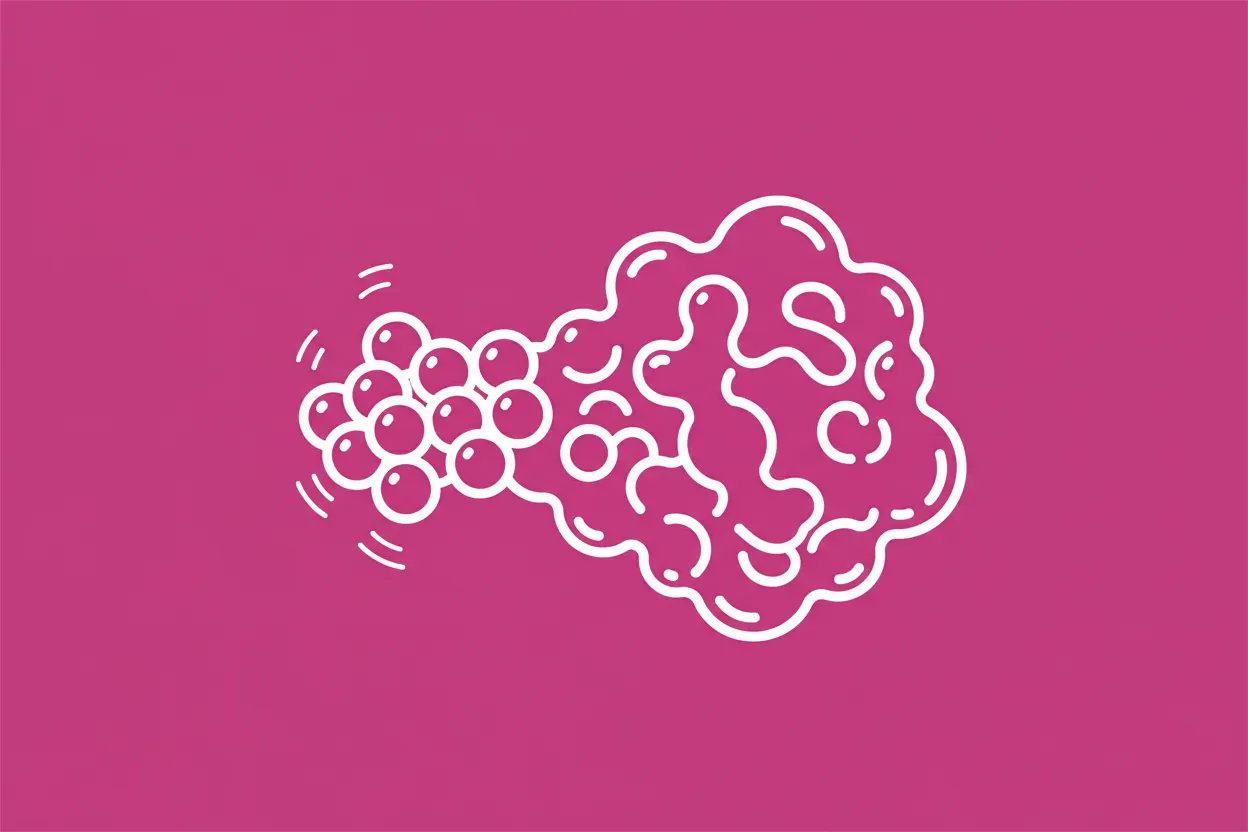
EPS stands for Expanded Polystyrene, a lightweight foam made by heating and expanding tiny plastic beads until they stick together. It’s commonly used for packaging, insulation, and protecting fragile items because it is light yet strong and has excellent heat insulation properties.
EPS is made by heating tiny plastic beads until they expand and stick together. This creates a lightweight foam used for insulation and packaging.
Think of the foam cups or packaging peanuts that keep your electronics safe in the mail. Those are made of EPS, which cushions items and helps keep temperatures steady in buildings, cutting energy costs. It’s like a protective, airy shield that also helps save energy.
How expanded polystyrene grew from simple packaging to eco-friendly insulation
Did you know expanded polystyrene (EPS) started as a lightweight foam mostly for packaging? It was first introduced to the public in the early 1950s and quickly found new uses beyond just protecting items during shipping. This early growth showed how versatile the material could be.
Over time, EPS became a key player in construction, especially for insulation. In the 1950s, it helped reduce energy use in buildings, which remains important today. Innovations like the 1960s expansion into new markets and the 1998 introduction of graphite-enhanced “grey EPS” boosted its thermal performance. These improvements made EPS a sustainable choice for both packaging and building.
Recycling EPS has become a major focus recently. Since EPS is mostly air and fully recyclable, it has low environmental impact when managed properly. Projects like “EPSolutely” work to close the loop by turning old EPS products into new ones, supporting a circular economy.
The journey of EPS shows how materials can evolve to meet sustainability goals. Its growth reflects a shift toward smarter, greener resource use in everyday products.
5 examples on managing foam packaging waste
Here are some practical ways to handle foam packaging waste and encourage better recycling and reuse:
- Curbside recycling programs: Some cities include foam packaging in their curbside pickup, improving access to foam recycling. This helps keep waste out of landfills and supports circularity.
- Drop-off collection points: Retailers and recycling centers offer specific bins for foam products, making it easier for consumers to participate in foam waste collection.
- Mechanical recycling: Foam is crushed and melted into pellets that can be remolded, enabling foam material recovery for new products.
- Chemical recycling: Advanced processes break foam down to its original chemicals, allowing foam material regeneration with less environmental impact.
- Reuse in construction: Foam waste is repurposed as insulation or filler, promoting foam material reuse and reducing demand for new raw materials.
While some foam easily enters recycling streams, much still ends up in landfills due to contamination or lack of facilities. This contrast highlights the need for improved collection and processing systems to realize foam's full circular potential.
Terms related to expanded polystyrene
Polystyrene products are widely used but present unique challenges for recycling and waste management.
- Polystyrene: A type of plastic often used to make foam products and packaging materials.
- Insulation materials: Products that reduce heat transfer, commonly used in buildings to save energy.
- Foam packaging· Lightweight protective materials used to cushion items during shipping.
- Recycling of EPS: Processes to collect, clean, and reuse polystyrene foam to reduce landfill waste.
- Thermal insulation: Materials designed to keep heat in or out, improving energy efficiency.
- Plastic waste management: Systems and methods to handle plastic waste responsibly and reduce pollution.
- Lightweight building materials: Construction materials that are light but strong, often improving transport and installation.
- Circular economy in plastics: A system where plastics are reused, recycled, or repurposed to minimize waste.
- Environmental impact of plastics: The effects plastic materials have on ecosystems, wildlife, and human health.
Frequently asked questions about expanded polystyrene (EPS)
Expanded polystyrene (EPS) is a common plastic foam used in packaging and insulation. Here are answers to the most asked questions about EPS and its role in sustainability.
What is expanded polystyrene (EPS)?
EPS is a lightweight, rigid foam made from polystyrene beads that are expanded with air. It is widely used for packaging, insulation, and protecting goods due to its shock-absorbing properties.
Is EPS recyclable?
Yes, EPS can be recycled, but it requires special facilities because it is bulky and lightweight. Recycling EPS helps reduce plastic waste and supports a circular economy by turning foam waste into new products.
How does EPS help in thermal insulation?
EPS is an excellent thermal insulator because its structure traps air, slowing down heat transfer. This can help save energy in buildings by keeping them warm in winter and cool in summer.
What is the environmental impact of EPS?
EPS is made from fossil fuels and can take hundreds of years to break down in nature. However, when managed properly through recycling and reuse, its environmental footprint can be minimized.
How does EPS fit into plastic waste management strategies?
EPS can be a challenge due to its volume and contamination risks, but with extended producer responsibility (EPR) programs, producers can take back EPS waste, improving collection and recycling rates.
Why is EPS used in foam packaging?
EPS is popular in packaging because it is lightweight, cushioning, and protects fragile items during transport. Using recycled EPS in packaging can reduce the need for virgin plastic.
Can EPS contribute to a circular economy?
Yes, EPS supports a circular economy when it is collected, recycled, and reused instead of being discarded. This reduces waste, conserves resources, and lowers environmental impacts associated with new plastic production.
