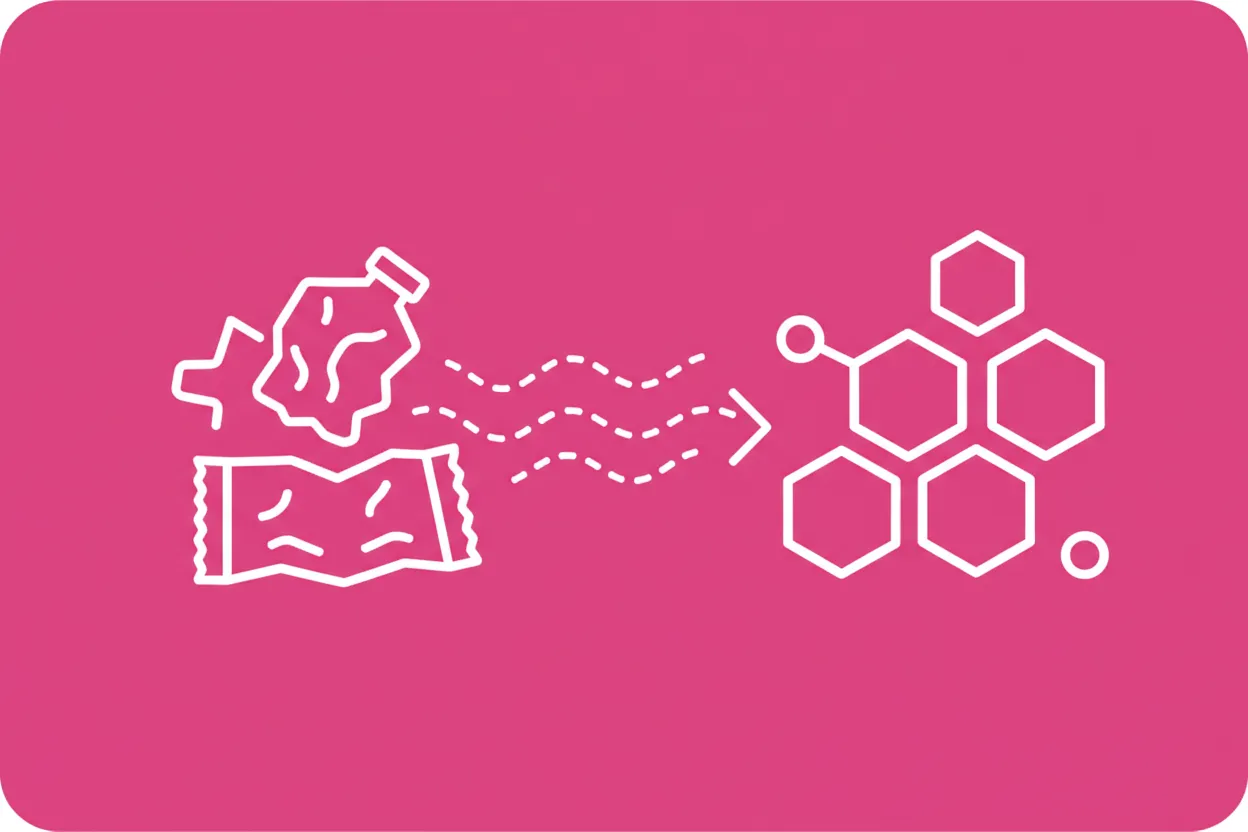
Picture a pile of mixed plastic waste that can’t be recycled by just melting it down. Turning that kind of waste back into raw materials to make new products is exactly what feedstock recycling does. It breaks complex waste into simple chemicals, giving them a fresh start as ingredients for new items.
Think of it like turning old, worn-out clothes into threads to weave new fabric. When plastics or other tricky wastes are chemically broken down, their building blocks can be cleaned and reused, avoiding landfill and cutting pollution. This process supports a circular economy by keeping materials in use longer and reducing the need to dig up new resources.
Definition: feedstock recycling
Feedstock recycling is a process that breaks down waste materials, especially plastics, into basic chemical parts. These parts can then be used to make new products, reducing the need for fresh raw materials and lowering environmental harm.
Feedstock recycling breaks down waste into basic chemicals. It turns these chemicals into new products.
For example, plastic bottles that can’t be recycled normally are heated and broken into oils or gases. These are cleaned and reused to make new plastics, like turning old bottles back into new ones without losing quality. This keeps waste out of landfills and reduces pollution.
Clearing up myths about chemical recycling and its role in circular waste management
Have you ever wondered if chemical recycling can handle all types of plastic waste? Many people assume it's a one-size-fits-all solution, but the reality is more nuanced. The quality and type of waste feedstock greatly affect its success.
Chemical recycling needs specific conditions to work well. For example, pyrolysis requires mostly clean polyethylene and polypropylene, with low moisture and few contaminants. This means not all waste is suitable without extra sorting and preparation. Plus, it doesn’t replace mechanical recycling but works alongside it to handle tougher materials.
Some worry chemical recycling might harm the environment or have a big carbon footprint. In truth, strict regulations keep emissions low, making it cleaner than landfilling or incineration. It can even lower greenhouse gases by reducing the need for new fossil-based materials.
Chemical recycling is already happening on a commercial scale, proving its industrial viability. While it’s not the ultimate fix for all plastic waste, it plays an important part in a circular economy focused on sustainability and extended producer responsibility.
7 examples on turning waste into valuable raw materials
Here are some practical ways industries transform used products and materials back into useful ingredients for new manufacturing:
- Chemical recycling of plastics: This process breaks down plastic waste into basic chemicals that can be reused to make new plastics. It helps reduce reliance on fossil fuels and lowers plastic pollution.
- Pyrolysis for tire waste: Old tires are heated without oxygen, turning them into oil, gas, and char. These outputs serve as feedstock for energy or new products, keeping tires out of landfills.
- Depolymerization of textiles: Synthetic fabrics are chemically processed to separate fibers into monomers. These can be remade into fresh fibers, closing the loop on clothing waste.
- Solvolysis in packaging: Packaging materials like PET are treated with solvents to recover raw chemicals. This method supports circularity by regenerating high-quality materials for reuse.
- Gasification of biomass: Organic waste is converted into syngas, a mixture of hydrogen and carbon monoxide. Syngas is a versatile feedstock for fuels and chemicals.
- Hydrothermal liquefaction: Wet waste such as food scraps is heated under pressure to produce bio-oil. This bio-oil serves as a renewable feedstock for energy or chemicals.
- Catalytic cracking of plastics: Plastic waste is broken down using catalysts into smaller hydrocarbons. These feedstock chemicals can replace virgin fossil resources in production.
While mechanical recycling often focuses on sorting and remelting materials, these chemical and thermal methods dive deeper by transforming waste at the molecular level. This means even contaminated or mixed wastes can become valuable resources again.
Terms related to recycling raw materials
Many recycling processes focus on breaking down materials to reuse them efficiently, supporting sustainability and reducing waste.
| Term | Description |
|---|---|
| Mechanical recycling | Breaking down waste into smaller pieces to make new products. |
| Chemical recycling | Using chemical processes to convert waste into raw materials. |
| Pyrolysis | Heating waste in the absence of oxygen to recover useful substances. |
| Circular economy | A system that keeps materials in use to minimize waste. |
| Resource efficiency | Using materials wisely to reduce environmental impact. |
Frequently asked questions about feedstock recycling
Feedstock recycling is a key part of turning waste into new materials and supporting a circular economy.
What is chemical recycling?
Chemical recycling breaks down plastics into basic chemicals or fuels, allowing materials that aren't recyclable by traditional methods to be reused, reducing waste and saving resources.
How does pyrolysis work in feedstock recycling?
Pyrolysis heats plastic waste without oxygen, turning it into oil or gas. This helps recover energy and raw materials, supporting sustainable manufacturing and reducing landfill.
Why is feedstock recycling important for a circular economy?
It keeps materials in use longer by turning waste into new resources, helping reduce the need for virgin materials and lowering environmental impact.
How does feedstock recycling improve resource efficiency?
By recovering valuable chemicals and materials from waste, feedstock recycling minimizes waste and makes the most of limited resources.
What role does feedstock recycling play in waste management?
It offers an alternative to landfilling or incineration by converting plastic waste into useful products, helping manage waste sustainably.
