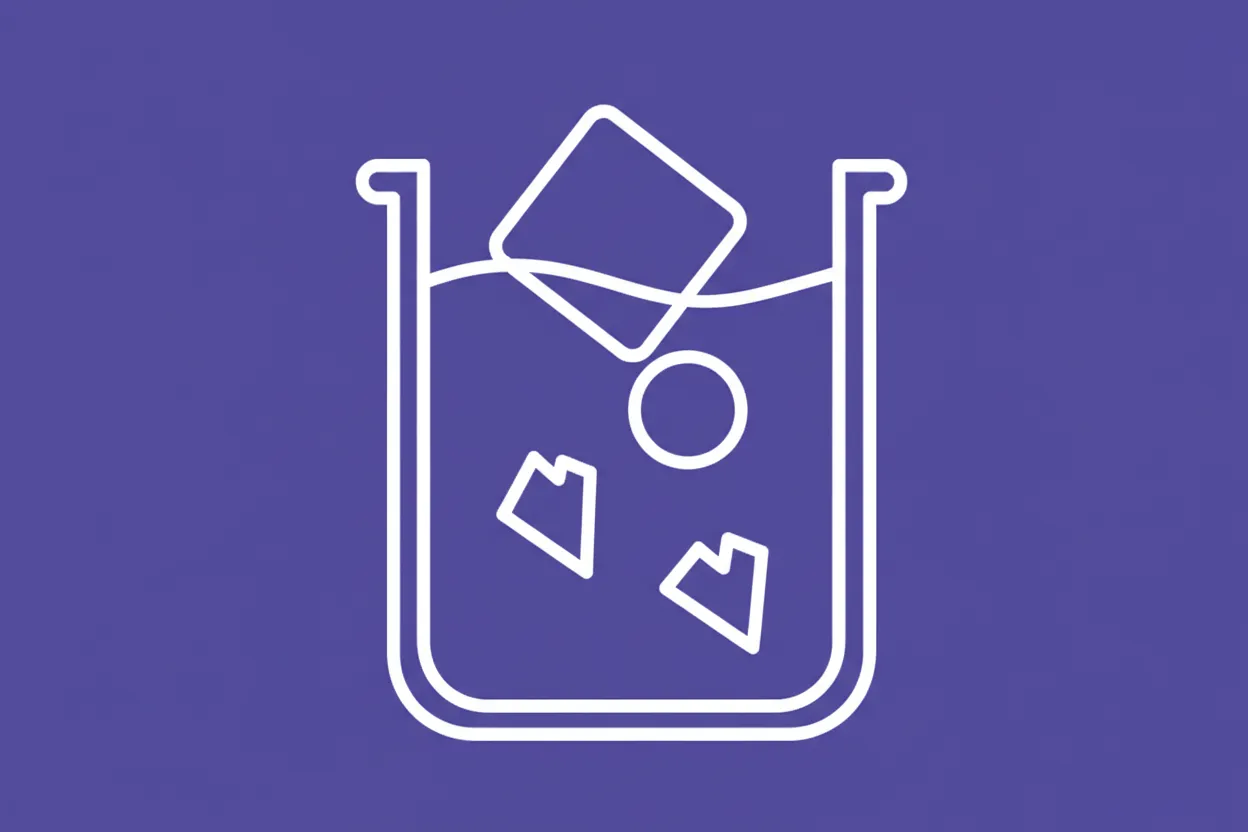
Sorting mixed materials can be tricky when they’re all jumbled together, making recycling and waste management slower and less effective. This challenge grows as different materials often look similar but need separate handling to be reused properly.
A common way to tackle this problem is by using a simple trick based on how heavy materials are compared to their size. By placing mixed waste in a special liquid, some parts float and others sink, making it easier to separate them without complex machines or extra energy.
Float-sink separation uses this idea to sort materials by density, helping recyclers separate plastics, clean up soils, or recover minerals. It’s a low-energy, eco-friendly method that improves recycling quality and supports keeping valuable resources in use longer.
Definition: float-sink separation
Float-sink separation sorts materials based on density by placing them in a liquid. Lighter items float, heavier ones sink. This lets recyclers and waste managers separate mixed materials easily and efficiently, saving energy and improving recycling quality.
Float-sink separation sorts materials by density using a liquid. It separates lighter materials that float from heavier ones that sink.
For example, when recycling plastic bottles, float-sink separation helps separate types like PET, which sinks, from PE or PP, which float. This way, recyclers avoid sorting by hand and improve how clean and useful the recycled plastic is.
How density differences help separate materials efficiently
Have you ever wondered how different materials can be sorted without complex machines? The technique of float-sink separation uses the simple idea that some things float while others sink. This method helps separate mixed materials by taking advantage of their density differences.
Originally, this approach was developed to extract valuable minerals from ores. A liquid with a density between the mineral and waste was used so that one would float while the other sank. Over time, this clever trick found new uses beyond mining, becoming a key player in recycling and waste management.
In recycling, float-sink separation helps to sort plastics by density, improving the quality of recycled products. Combining this with other methods, like froth flotation, allows for even more precise separation of materials. This means better recycling outcomes and less waste going to landfills.
This method’s flexibility extends to fields like biology, where it can separate microorganisms by their buoyancy. It’s a simple idea with many practical benefits. Using density differences to separate materials shows how smart solutions can support circularity and sustainability.
4 examples on separating materials using density differences
Here are some practical ways materials get sorted by whether they float or sink in a liquid:
- Plastic recycling: Plastics like PET sink in water while others like HDPE float. This key phrase helps recyclers separate types for better processing.
- Glass sorting: Some glass fragments sink in heavy liquids, allowing easy separation from lighter contaminants. This improves glass recycling quality.
- Mineral processing: Valuable minerals often sink in water or other fluids, while waste rock floats away. This method helps miners extract useful materials efficiently.
- Oil-water separation: Oil floats on water, making it possible to skim off spills or separate mixtures. This is essential in environmental cleanup and industrial processes.
Some sorting methods rely on chemicals or magnets, not density. Those can be faster but might not work for mixed materials where density differences make all the difference.
Terms related to density and gravity-based material sorting
Many recycling and waste management processes rely on the difference in material densities to separate valuable resources from waste effectively.
| Term | Description |
|---|---|
| Density Separation | Technique that separates materials based on their density differences. |
| Gravity Separation | Process using gravity to separate heavier and lighter materials. |
| Material Sorting | The act of categorizing materials for recycling or reuse. |
| Mineral Processing | Methods to extract valuable minerals from raw materials. |
| Solid-Liquid Separation | Techniques to separate solids from liquids in waste streams. |
| Resource Recovery | Recovering useful materials from waste to reduce landfill use. |
| Circular Economy | A system focused on reusing materials to minimize waste and conserve resources. |
Frequently asked questions on float-sink separation
Float-sink separation helps sort materials based on density differences, supporting recycling and sustainability goals.
What is density separation?
Density separation sorts materials by their weight compared to water or another liquid, letting lighter items float and heavier ones sink. This makes it easier to separate mixed waste for recycling.
How does gravity separation work?
Gravity separation uses the force of gravity to separate materials with different densities. Heavier particles settle at the bottom, while lighter ones stay on top, aiding efficient material sorting.
Why is float-sink separation important in waste recycling?
It helps separate recyclable materials from waste by density, improving the quality of recovered materials and reducing landfill use, which supports circular economy goals.
Can float-sink separation be used for mineral processing?
Yes, it’s often used to separate valuable minerals from lighter waste rock, making mining more efficient and environmentally friendly by recovering resources.
How does float-sink separation assist in environmental remediation?
By separating pollutants based on density, it helps clean soils and water, reducing harmful waste and supporting healthier ecosystems.
What role does float-sink separation play in solid-liquid separation?
It helps separate solid particles from liquids by causing solids to either float or sink, making processes like wastewater treatment more effective.
How does this process contribute to resource recovery?
Float-sink separation recovers valuable materials from waste streams, turning what was once trash into useful resources and supporting sustainable production.
How is float-sink separation linked to circular economy processes?
By enabling efficient sorting and recovery of materials, it keeps resources in use longer, minimizes waste, and supports a system where products are reused and recycled continuously.
