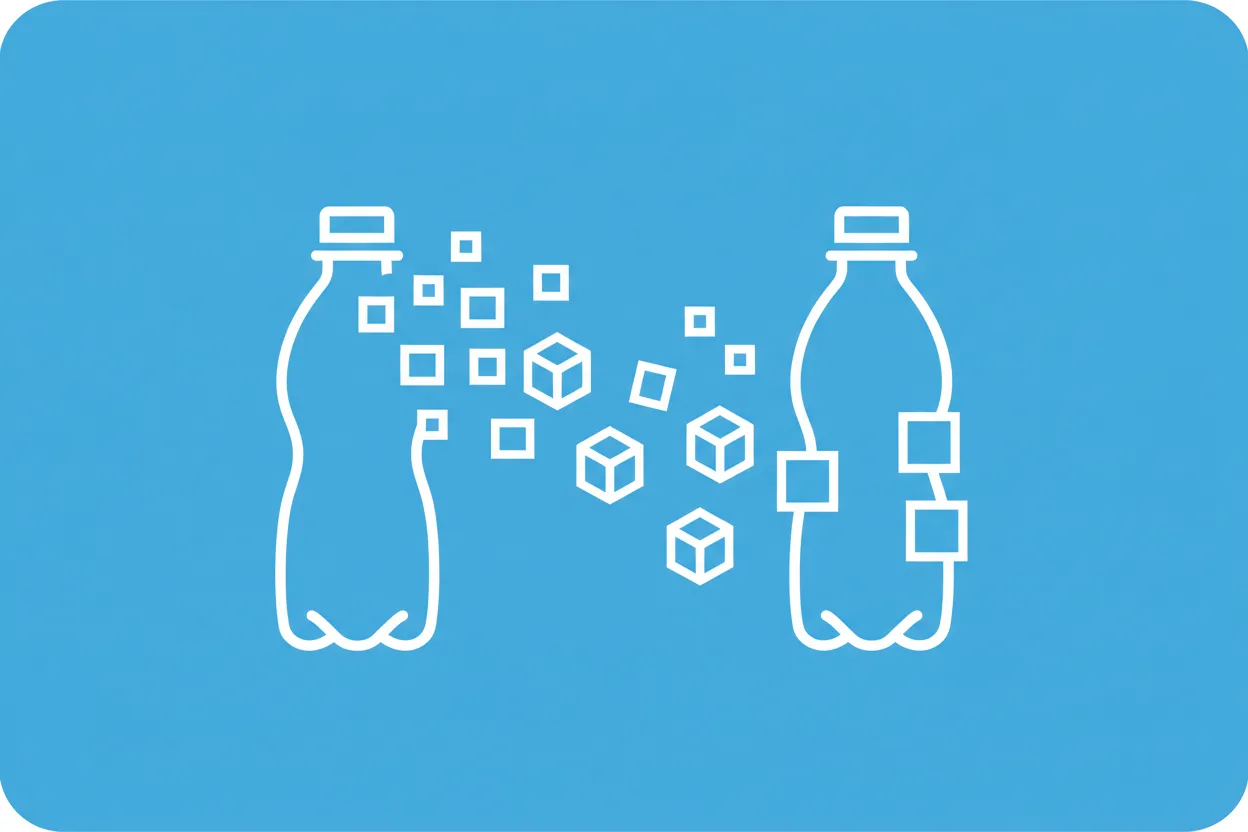
Think of glycolysis (PET recycling) like carefully taking apart a LEGO model so you can reuse the bricks to build something new. Instead of just melting plastic, this process breaks down PET bottles into their basic parts, which can be remade into fresh plastic.
This is a bit like turning old puzzle pieces into brand-new puzzles without losing any pieces or picture quality. Glycolysis uses a special chemical, glycol, to break the plastic apart cleanly, helping plastic waste become valuable resources again.
Just as you wouldn’t throw away a favorite toy when it breaks, glycolysis helps keep plastic in use longer by turning waste back into raw materials. This supports a circular economy where materials keep cycling instead of ending up as trash.
Definition: glycolysis (PET recycling)
Glycolysis in PET recycling is a chemical process that breaks down polyethylene terephthalate (PET) plastic into smaller building blocks called monomers. It uses a chemical called glycol, usually ethylene glycol, to break apart used plastic bottles and packaging. This creates raw materials that can be made into new plastic, helping reduce waste and save resources.
Glycolysis breaks PET plastic down into smaller molecules using glycol. It turns used plastic into raw materials for new products.
Think of glycolysis like taking apart a LEGO set into individual bricks, so you can build something new from the same pieces. Instead of melting old plastic, glycolysis breaks it down chemically, keeping the quality high and allowing the plastic to be recycled again and again.
Clearing up myths around chemical recycling of PET plastics
Ever wondered if breaking down PET plastics chemically is slow or costly? Many people think glycolysis, a recycling method for PET, just can’t deliver good results without expensive tricks. But there’s more to this process than meets the eye.
The idea that glycolysis is inefficient without catalysts isn’t the full story. When catalysts like cyanamide are added, the process speeds up dramatically and recovers nearly all the building blocks needed to make new PET. This means recycling PET through glycolysis can be fast and effective, even with mixed or contaminated plastic waste. Thanks to ongoing advances, costs are dropping, and the quality of recycled PET is improving, proving this method’s growing role in sustainable plastic reuse.
Some assume glycolysis struggles with dirty or mixed PET, but smart adjustments make it flexible. It can handle different types of waste by optimizing conditions and catalysts, turning what seemed like a problem into an opportunity. This adaptability helps turn more plastic waste into valuable resources.
The takeaway? Glycolysis isn’t just a slow or pricey process—it’s a promising tool for circular PET recycling that’s becoming more efficient, cost-friendly, and reliable every day.
3 examples on breaking down plastic waste for reuse
Here are some practical ways plastic waste is chemically processed to recover valuable materials:
- Depolymerization: This process involves breaking down plastic polymers into their original monomers. It allows plastics to be recycled into new products without quality loss.
- Hydrolysis: Water reacts with plastics to split them into smaller, reusable chemical components. This method helps recover materials from complex plastic mixtures.
- Solvolysis: Using solvents under specific conditions, plastics are dissolved and depolymerized for material recovery. It’s effective for mixed or contaminated plastic waste.
While chemical recycling methods like these offer ways to reclaim plastic materials, they often require significant energy and precise conditions. Mechanical recycling, by contrast, is simpler but may degrade material quality over time.
Terms related to chemical recycling of plastics
Chemical recycling helps break down plastic waste into its original building blocks, making it possible to create new materials without relying on fossil fuels.
| Term | Description |
|---|---|
| Polymer Depolymerization | Process of breaking polymers back into monomers for reuse |
| Feedstock Recovery | Recovering raw materials from waste for new plastic production |
| Green Chemistry | Designing chemical processes that reduce pollution and waste |
| Circular Economy | System where materials are kept in use, minimizing waste |
| Sustainable Waste Treatment | Methods that reduce environmental harm while processing waste |
| Environmental Impact | Effects of plastic production and disposal on ecosystems and health |
Frequently asked questions on glycolysis in PET recycling
Glycolysis is a key chemical process used to recycle PET plastics, helping turn waste into valuable materials.
What is glycolysis in PET recycling?
Glycolysis breaks down PET plastics by reacting them with glycol, turning them into smaller molecules that can be reused to make new plastic products.
How does glycolysis support circular economy in plastics?
By converting PET waste back into raw materials, glycolysis helps keep plastics in use longer, reducing the need for new resources and lowering pollution.
What role does chemical recycling play in PET waste management?
Chemical recycling, including glycolysis, transforms plastic waste into reusable chemicals, making it easier to recycle plastics that can't be processed mechanically.
How is feedstock recovery related to glycolysis?
Glycolysis recovers valuable chemical feedstocks from PET waste, enabling manufacturers to produce new plastics without relying solely on virgin materials.
What environmental impact can glycolysis reduce?
This process lowers plastic pollution and cuts greenhouse gas emissions by recycling PET waste instead of sending it to landfills or incinerators.
How does glycolysis fit into sustainable waste treatment?
Glycolysis provides an eco-friendly way to treat PET waste, turning it into reusable materials while minimizing harmful residues and energy use.
Can green chemistry principles be applied in glycolysis?
Yes, glycolysis uses safer chemicals and conditions to recycle plastics, aligning with green chemistry’s focus on reducing environmental harm.
Is glycolysis considered a biochemical process in recycling?
No, glycolysis in PET recycling is a chemical process, not a biological one, as it uses chemical reactions rather than enzymes or microbes.
