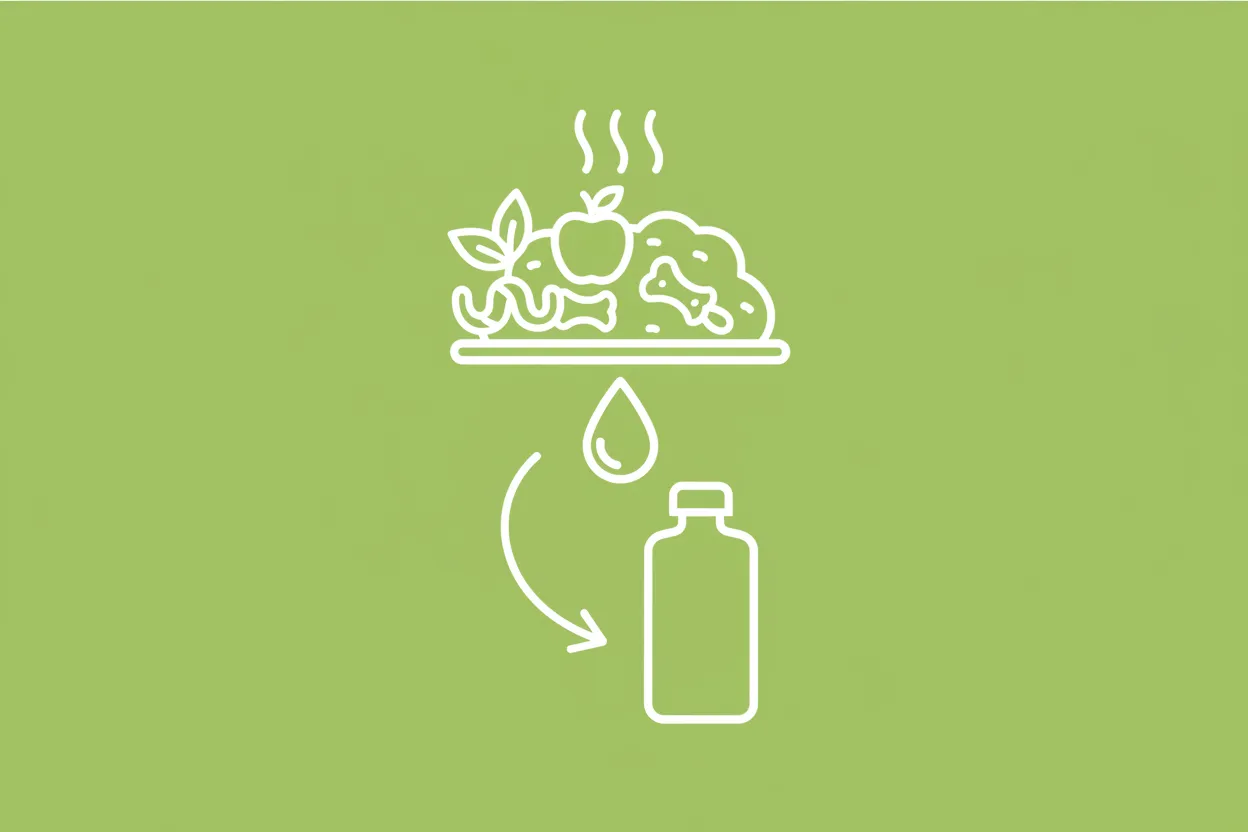
Lots of organic waste like food scraps and garden leftovers end up rotting, causing pollution and wasting resources. Hot water under pressure can break down this wet waste quickly and turn it into useful products like fuel or soil boosters.
This clever recycling method works well because it skips drying, saving energy and reducing greenhouse gases. By turning waste into valuable resources, it supports a circular economy where nothing good goes to waste.
Definition: hydrothermal recycling
Hydrothermal recycling is a process that breaks down wet waste using hot, pressurized water inside a sealed reactor. It transforms organic waste like food scraps or agricultural leftovers into useful products such as fuel, bio-oil, or soil additives without needing to dry the waste first.
Hydrothermal recycling transforms wet waste into useful products using hot, pressurized water. It breaks down organic materials inside a sealed reactor.
For example, instead of throwing away fruit peels that would rot and release methane, hydrothermal recycling can turn them into hydrochar, a coal-like fuel or soil booster. This way, waste becomes a resource that helps energy production or farming, reducing pollution and saving energy.
Clearing up myths about hydrothermal recycling
Ever wonder how hydrothermal recycling differs from other waste treatments? Many confuse it with incineration, but this process uses water, heat, and pressure to transform waste without burning it. This means less pollution and more resource recovery.
Some believe hydrothermal recycling uses more energy than it saves. In truth, it can handle hard-to-recycle plastics efficiently, turning waste into valuable chemicals. This reduces greenhouse gases and lowers the need for new materials, supporting circularity.
Is hydrothermal recycling just a lab experiment? Actually, commercial plants are being built, showing this technology is ready to tackle real-world waste challenges. It’s moving from theory to practice, making circular economy goals more achievable.
Hydrothermal recycling complements traditional methods. While mechanical recycling works best with clean plastics, hydrothermal can process contaminated waste. Using both together creates a stronger, more inclusive system for sustainable waste management.
4 examples on advanced waste treatment methods
Here are some practical ways this process is applied in managing waste for better resource recovery:
- Organic waste conversion: This method transforms food scraps and garden waste into valuable bio-oil and nutrients, reducing landfill use. It helps close the loop by turning waste back into resources.
- Plastic waste breakdown: Some plastics can be broken down into reusable chemicals, offering a path to recycle materials that usually end up as pollution. This supports circular economy goals by keeping plastics in use longer.
- Sewage sludge processing: Treating sludge from wastewater plants can recover energy and minerals, preventing harmful waste from entering the environment. It turns a disposal challenge into a resource opportunity.
- Industrial byproduct reuse: Certain manufacturing residues can be converted into fuels or raw materials, reducing industrial waste and lowering environmental impact. This encourages producers to take responsibility for their waste.
While traditional recycling often struggles with contamination and material degradation, these advanced methods can handle mixed and complex waste streams more effectively. They complement standard recycling by tackling waste types that are otherwise difficult to manage.
Terms related to hydrothermal recycling
Water and heat can transform organic waste into valuable resources, helping reduce landfill and lower emissions.
- Hydrothermal carbonization: A process using hot water and pressure to convert wet biomass into a coal-like material.
- Biomass conversion: Turning plant or animal waste into energy, fuels, or useful products.
- Waste-to-energy: Generating energy from waste materials instead of sending them to landfill.
- Circular economy: A system where materials are reused and recycled to minimize waste and conserve resources.
- Organic waste management: Handling food scraps and plant waste to reduce pollution and recover nutrients.
- Renewable energy: Energy sourced from natural processes that replenish, like solar, wind, or bioenergy.
- Sustainable resource recovery: Collecting usable materials from waste to support ongoing production without harming the environment.
Frequently asked questions on hydrothermal recycling
Get quick answers about how hydrothermal recycling helps turn waste into valuable resources sustainably.
What is hydrothermal carbonization?
Hydrothermal carbonization is a process that uses hot water under pressure to convert organic waste into a carbon-rich material called hydrochar. This helps recycle waste while producing useful products like soil additives or fuel, supporting circular economy goals.
How does hydrothermal recycling support circular economy?
Hydrothermal recycling transforms organic waste into valuable materials, reducing landfill use and recovering resources. This closes the loop by turning waste back into raw materials, promoting sustainable resource recovery and reducing environmental impact.
Can hydrothermal recycling handle organic waste?
Yes! Hydrothermal recycling is especially good for wet organic waste like food scraps, agricultural residues, and sewage sludge. It efficiently processes this waste into useful products without needing to dry it first, saving energy.
Is hydrothermal recycling a form of waste-to-energy?
Sort of. Hydrothermal recycling produces hydrochar and other byproducts that can be used as renewable energy sources or soil enhancers. It’s a sustainable waste-to-energy approach because it recovers energy while managing waste responsibly.
What role does environmental engineering play in hydrothermal recycling?
Environmental engineers design and optimize hydrothermal recycling systems to ensure they work efficiently and safely. They help minimize pollution and maximize resource recovery, making the process more sustainable and beneficial for communities.
