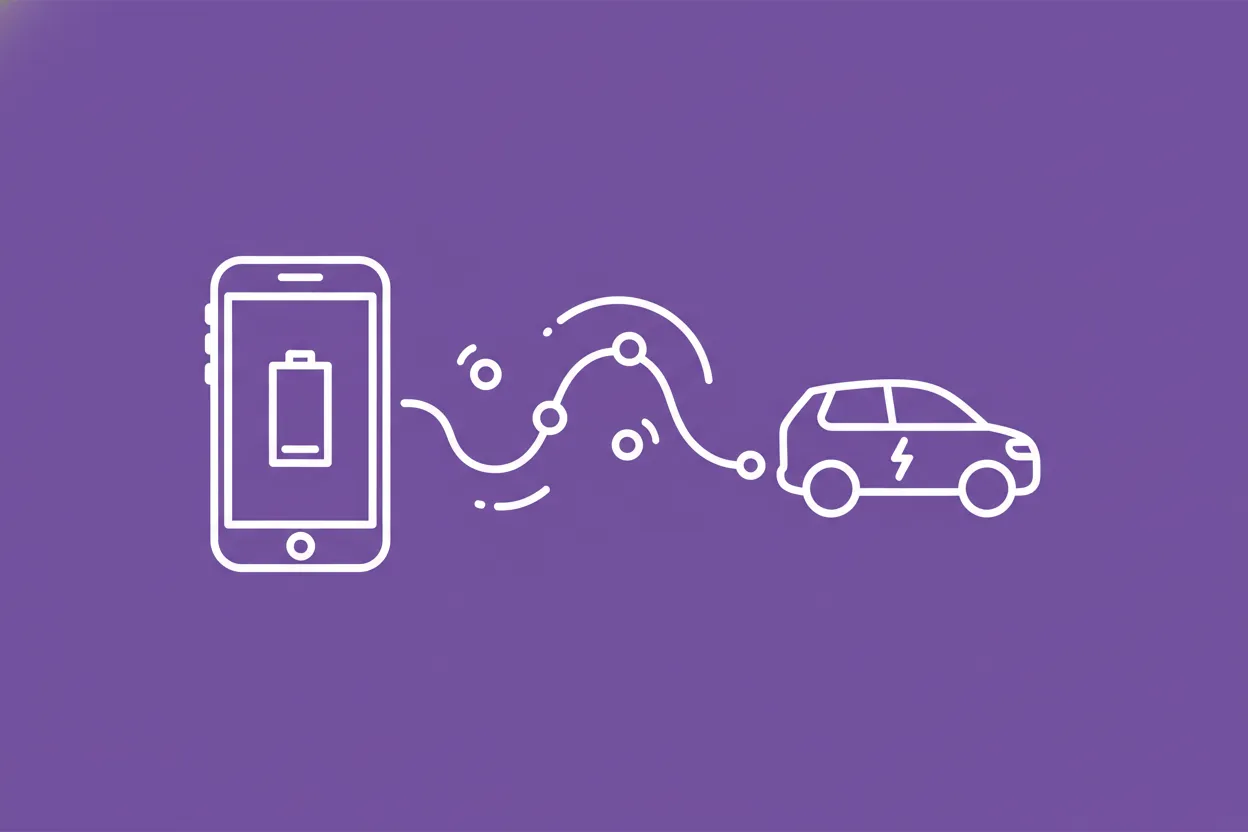
Have you ever thought about what keeps your phone or electric car running for hours? That’s where lithium in batteries comes into play, acting as the energy keeper inside these devices. Why is lithium so popular in batteries, and how does it help our planet?
Lithium is a lightweight metal that stores lots of energy, making batteries last longer between charges and reducing waste from frequent replacements. How does its movement inside the battery create power, and what does that mean for recycling and sustainability?
Definition: lithium in batteries
Lithium in batteries refers to the use of lithium ions that move between the battery’s positive and negative sides to create an electric current. This process powers devices like smartphones and electric cars efficiently by storing lots of energy in a lightweight form.
Lithium ions move between the battery’s positive and negative sides to create an electric current. This process powers devices efficiently by storing a lot of energy.
Think about your smartphone lasting all day without needing a charge—that’s lithium working inside. When you charge it, lithium ions move to one side; when you use it, they flow back, powering your device smoothly and helping reduce how often you replace batteries.
How Europe is working to secure its own lithium supply
Have you wondered where the lithium in your electric car battery comes from? Many countries rely on importing this vital metal, but Europe is trying to change that. Securing lithium closer to home could make the green transition more reliable.
Lithium’s lightness and energy power make it essential for batteries in electric vehicles and renewable energy storage. Currently, over 80% of Europe’s lithium is imported from places like Chile and Australia, which can cause supply risks. To reduce this dependence, projects in Finland and France are exploring ways to mine and process lithium domestically. These efforts align with the EU’s goals to locally produce more critical raw materials by 2030.
Finding lithium in Europe could boost the green economy and create jobs, but mining can also affect the environment and nearby communities. It’s important to balance resource needs with protecting nature and people’s concerns. Sustainable mining practices and transparent communication will help gain public support.
Europe’s push for homegrown lithium is a key step toward a circular, sustainable future. Reducing import reliance strengthens battery supply chains and supports the continent’s green ambitions.
7 examples on how lithium impacts modern energy storage
Here are some key ways lithium plays a role in powering devices and vehicles:
- Electric vehicles: Lithium enables high-energy batteries that provide longer driving ranges and faster charging times. This has accelerated the shift to cleaner transportation.
- Portable electronics: Lithium-based batteries power smartphones, laptops, and tablets with lightweight, long-lasting energy sources. This convenience supports our daily connected lives.
- Energy storage systems: Large lithium battery setups store renewable energy from solar and wind, helping balance supply and demand on the grid.
- Wearable technology: Lithium batteries allow for small, flexible power sources in fitness trackers and smartwatches, supporting health and activity monitoring.
- Medical devices: Implantable devices like pacemakers rely on reliable lithium batteries for years of operation without replacement.
- Power tools: Cordless drills and other tools use lithium batteries for consistent, portable energy that improves productivity.
- Electric bikes and scooters: Lightweight lithium batteries make these urban transport options practical and eco-friendly alternatives to cars.
While lithium batteries have transformed energy use, their production and disposal pose challenges. Recycling and responsible sourcing are crucial to reduce environmental impact and support circularity.
Terms related to lithium battery technology
Lithium-based battery technology plays a key role in powering electric vehicles and energy storage systems worldwide.
- Lithium-ion technology – A popular rechargeable battery type known for high energy density and long life.
- Battery recycling – The process of recovering valuable materials from used batteries to reduce waste.
- Battery lifecycle analysis – Evaluating environmental impacts from production to disposal of batteries.
- Circular economy in batteries – Designing batteries and systems to reuse materials and minimize waste.
- Battery raw materials sourcing – Responsible extraction and supply of metals like lithium and cobalt.
- Battery safety and performance – Ensuring batteries operate reliably and safely throughout their use.
Frequently asked questions on lithium in batteries
Here are answers to some common questions about lithium and batteries.
What is lithium-ion technology?
Lithium-ion batteries store and release energy by moving lithium ions between electrodes. They are popular because they hold a lot of power, charge quickly, and last longer than many other types.
How does battery recycling work?
Battery recycling recovers valuable materials like lithium, cobalt, and nickel from used batteries. This reduces waste and the need to mine new resources, helping the environment and supporting a circular economy.
Are lithium batteries sustainable?
Sustainability depends on responsible sourcing, efficient recycling, and longer battery life. Using recycled materials and designing batteries to be reused or refurbished improves sustainability.
What role do lithium batteries play in electric vehicles?
Lithium batteries power most electric vehicles by providing reliable, long-lasting energy. They help reduce greenhouse gas emissions by replacing gasoline engines with cleaner electric power.
How are battery materials sourced responsibly?
Responsible sourcing means mining materials with minimal environmental harm and respecting workers’ rights. Companies are increasingly tracking supply chains to ensure ethical and sustainable practices.
What is the circular economy for batteries?
A circular economy means designing batteries to be reused, repaired, or recycled instead of thrown away. This approach conserves resources, reduces waste, and supports sustainable production and consumption.
