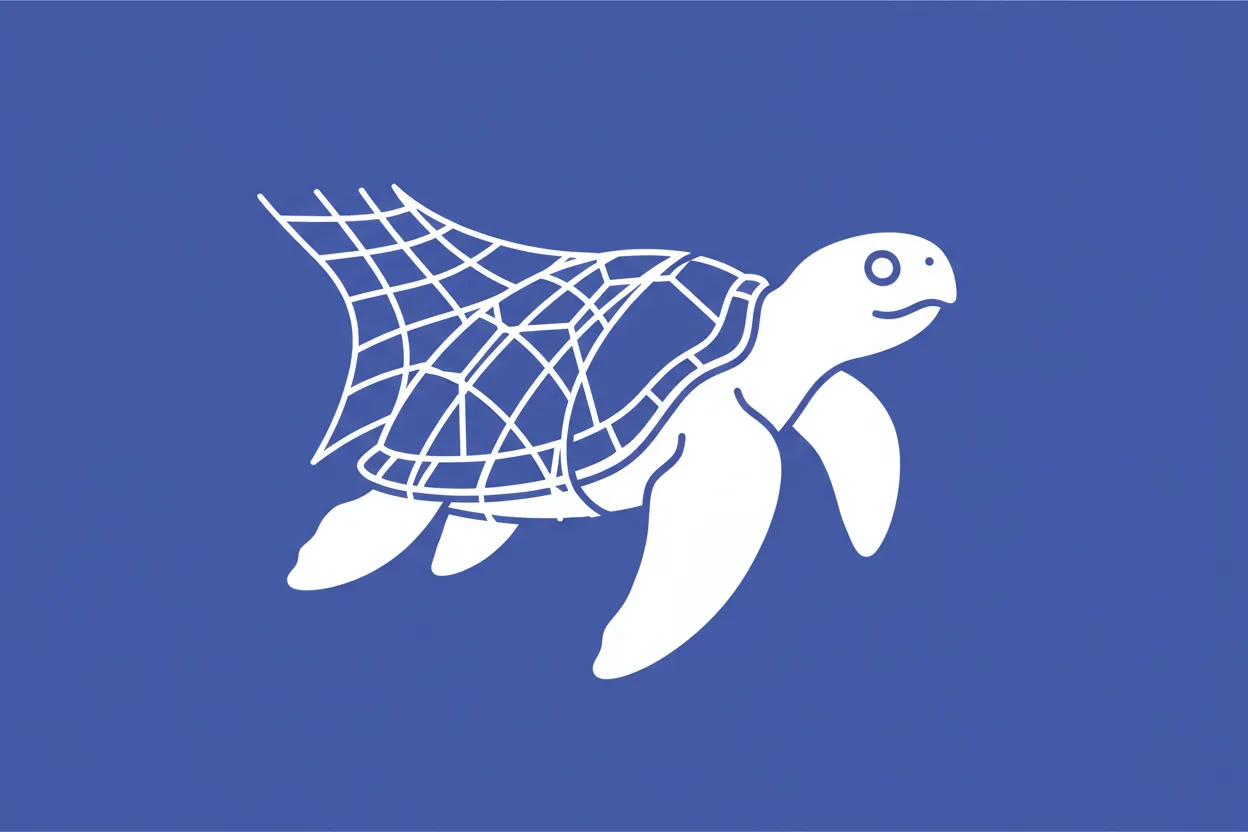
Marine entanglement is a serious issue where animals like whales, turtles, and seabirds get caught in human-made items such as fishing nets, ropes, or plastic waste. This can cause injury, stress, and even death, threatening their survival in the ocean.
Entanglement traps animals, making it hard for them to swim, eat, or breathe properly. Lost fishing gear and plastic waste are the main culprits behind this problem, affecting many marine species.
Protecting marine life from entanglement means reducing waste, improving fishing gear, and cleaning up oceans. Simple actions like using less plastic and supporting conservation help keep our seas healthy and safe for animals.
Definition: Entanglement (marine)
Marine entanglement happens when animals like whales, dolphins, turtles, or seabirds get accidentally caught in human-made items such as fishing nets, ropes, or plastic trash. This can harm them by making it hard to swim, eat, or breathe, sometimes leading to serious injury or death.
Entanglement makes it hard for animals to swim, eat, or breathe. It happens when they get caught in fishing gear or plastic trash.
For example, a whale trapped in a fishing net might struggle to reach the surface for air, while a sea turtle caught in plastic rings could get cuts that get infected. These struggles show how entanglement directly threatens their survival in the ocean.
Tracing the rise of marine animal entanglement in ocean debris
How did marine animals get caught up in human-made waste? Over decades, increasing plastic use and fishing activities have created more hazards for creatures like whales and turtles. This growing threat from marine entanglement has caught the attention of scientists and activists alike.
Back in the 1960s, reports started revealing animals trapped in fishing gear, marking the beginning of awareness around this problem. As plastic production soared in the 1970s and 80s, more debris entered the oceans, worsening the risk. By the 1990s, groups focused on ocean protection began educating the public and cleaning beaches to combat marine litter. Research in the 2000s showed hundreds of species suffer from debris, especially ghost nets, prompting efforts to remove these hazards and recycle the waste.
Today, organizations work hard to reduce marine entanglement by removing abandoned nets and promoting sustainable practices. Public involvement through clean-ups and education supports these efforts, making a real difference for ocean health.
Addressing marine entanglement requires ongoing collaboration, research, and action focused on waste reduction and responsible resource use.
7 examples on how marine debris causes harm to wildlife
Here are some common ways marine animals get caught in discarded materials that affect their survival:
- Fishing nets: These large nets often get lost or abandoned in oceans, causing animals to become trapped. This ghost fishing harms creatures long after nets are discarded.
- Plastic six-pack rings: Designed to hold cans together, these rings can entangle birds and turtles, restricting movement and causing injury or death.
- Fishing lines: Thin and nearly invisible, lost fishing lines wrap around fins or necks of marine animals, cutting circulation and causing wounds.
- Strapping bands: Plastic bands from packaging sometimes drift into water and tighten around shells or limbs, limiting growth and causing pain.
- Balloon strings: When balloons deflate and fall into oceans, their attached strings can wrap around marine creatures, leading to strangulation.
- Ropes: Used on boats and docks, ropes can drift loose and tangle animals, preventing them from swimming or feeding properly.
- Crab pots and traps: Abandoned crab traps continue to trap crabs and other animals unintentionally, a process known as ghost trapping.
While not all marine debris results in entanglement, many materials persist in the environment and pose ongoing risks to wildlife. Reducing waste and improving recycling can help prevent these harmful encounters.
Common terms linked to marine life entrapment
Marine debris causes harm to sea creatures and ecosystems, creating ongoing challenges for ocean health.
| Term | Description |
|---|---|
| Marine debris | Trash and waste found in oceans, often from land sources or lost fishing equipment. |
| Ghost fishing gear | Abandoned or lost fishing nets and traps that continue to catch marine animals. |
| Bycatch | Non-target marine species accidentally caught during fishing, often leading to injury or death. |
| Marine pollution | Contaminants entering the ocean, including plastics, chemicals, and waste harming marine life. |
| Ocean conservation | Efforts to protect and preserve marine environments and their inhabitants. |
| Marine wildlife protection | Actions and policies aimed at safeguarding sea animals from harm and exploitation. |
| Fishing industry impacts | Environmental effects caused by fishing activities, including overfishing and habitat damage. |
| Habitat degradation | Destruction or weakening of marine habitats due to pollution, fishing, or climate change. |
| Marine animal welfare | Focus on the health and humane treatment of sea creatures affected by human activities. |
| Plastic pollution | Accumulation of plastic items in the ocean that entangle or are ingested by marine life. |
Frequently asked questions on marine entanglement
Marine entanglement happens when animals get caught in man-made materials in the ocean, causing harm and environmental issues.
What is marine debris and how does it relate to entanglement?
Marine debris includes trash like plastic and fishing gear that floats or sinks in oceans. It often causes entanglement when animals get trapped in this waste.
What is ghost fishing gear?
Ghost fishing gear refers to lost or abandoned fishing nets and traps that keep catching and harming marine life without any control.
How does bycatch affect marine animals?
Bycatch happens when non-target species, like turtles or dolphins, get accidentally caught in fishing gear, leading to injury or death.
What role does marine pollution play in entanglement?
Pollution, especially plastic waste, creates more hazards for marine animals, increasing the chances they'll get entangled and injured.
How does ocean conservation help reduce entanglement?
Ocean conservation efforts focus on cleaning up debris, regulating fishing gear, and protecting habitats to lower entanglement risks.
Why is marine wildlife protection important in this context?
Protecting marine wildlife ensures healthy populations and ecosystems, reducing the harm caused by entanglement and supporting biodiversity.
What impacts does the fishing industry have on marine entanglement?
The fishing industry can contribute to entanglement through lost gear and bycatch, but sustainable practices can reduce these problems.
How does habitat degradation connect to marine entanglement?
When habitats like coral reefs or seagrass beds degrade, animals have fewer safe places, increasing their exposure to entanglement hazards.
