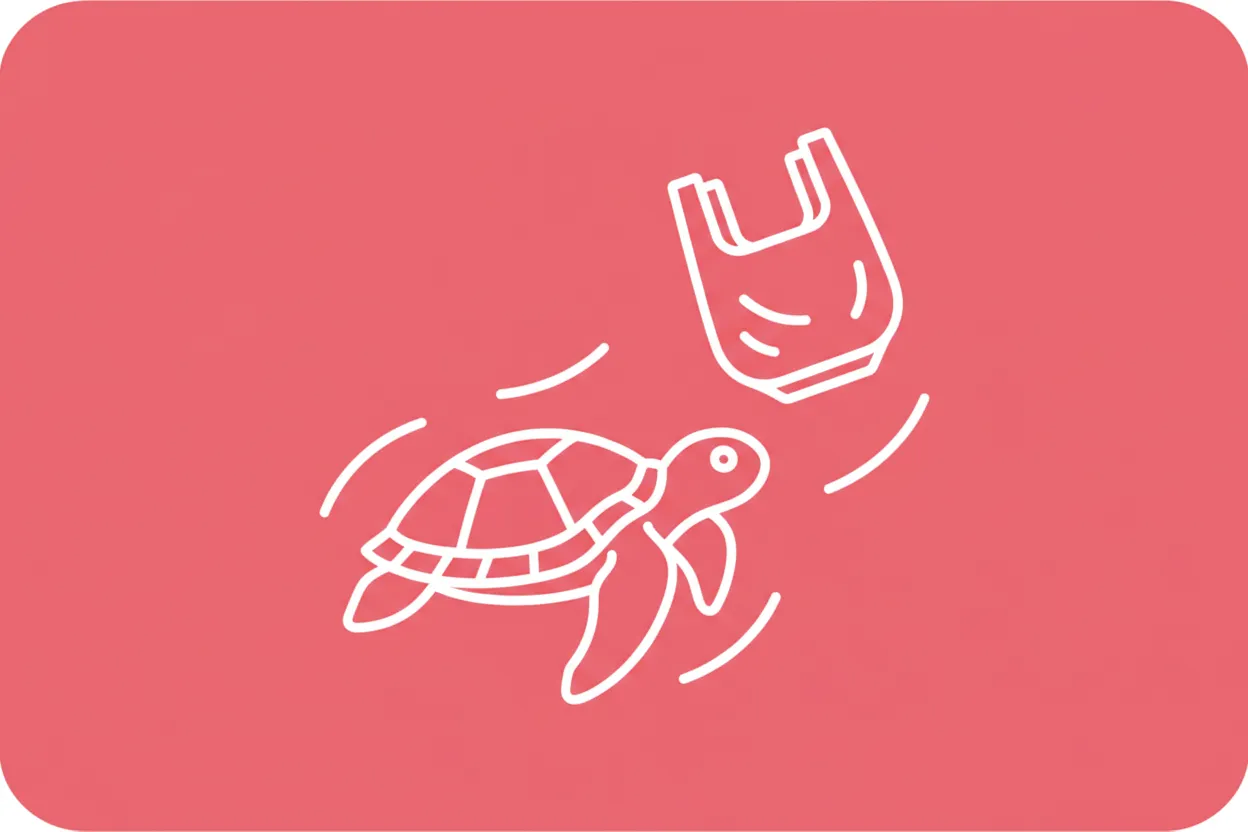
Once, a sea turtle mistook a floating plastic bag for a jellyfish and swallowed it, showing how human trash in water can accidentally harm wildlife. This everyday mistake highlights a big problem: marine litter is trash from people that ends up in oceans and seas.
Think about how much waste we create daily—some of it slips away from bins and washes into rivers, eventually reaching the ocean. This litter doesn’t just look bad; it hurts animals, pollutes water, and spoils beaches where families love to relax. Marine litter is a challenge we can all help solve by making smarter choices about our waste.
Definition: marine litter
Marine litter is any human-made trash that ends up in oceans, seas, or other water bodies. It includes plastic bags, bottles, fishing nets, cigarette butts, and tiny plastic pieces called microplastics. This waste harms marine animals, pollutes water, and spoils coastlines.
Marine litter harms animals and pollutes water. It is any human-made trash that ends up in oceans and seas.
Think about a plastic bag floating in the sea that a turtle mistakes for food. When it swallows the bag, it can get sick or die. This example shows how marine litter isn’t just ugly—it’s dangerous to wildlife and the health of the ocean.
Where does marine litter come from?
Have you ever wondered how trash ends up in the ocean? Marine litter comes from many places, mostly from activities on land and at sea. Knowing where this pollution starts helps us find better ways to stop it.
Most marine litter starts on land, like in cities or farms where waste isn’t properly managed. Rain and rivers carry this litter into the ocean, making urban runoff a big problem. On the other hand, sea-based activities like fishing and shipping also add to the issue, especially when fishing gear is lost or waste is dumped overboard.
Tracking the exact source of marine litter is tricky because ocean currents can move debris far from where it began. This movement makes it hard to pinpoint where cleanup efforts should focus most. Still, learning these patterns is key to fighting marine pollution more effectively.
Reducing marine litter means tackling waste on land and at sea together. Better waste management, responsible habits, and strong policies all play a role in keeping oceans clean and healthy.
6 examples on common pollutants affecting oceans
Here are some typical pollutants that cause major harm to aquatic environments:
- Plastic bags: These lightweight items often end up in waterways and can take hundreds of years to break down. They pose a serious threat to marine animals that mistake them for food.
- Fishing nets: Lost or discarded nets continue to trap fish and other creatures, a problem known as ghost fishing. This leads to unnecessary loss of marine life.
- Cigarette butts: Containing toxic chemicals, cigarette butts are one of the most common forms of litter found near water. They release pollutants that harm aquatic ecosystems.
- Microplastics: Tiny plastic particles come from broken-down larger plastics or personal care products. They are easily ingested by marine creatures, disrupting food chains.
- Styrofoam containers: Often used for takeout food, these containers fragment into smaller pieces but never fully decompose. They accumulate in the ocean and affect water quality.
- Glass bottles: Although they don’t decompose quickly, glass can cause physical harm to wildlife and humans alike. Broken glass also pollutes beaches and waterways.
While some pollutants like glass are inert, many others, especially plastics, continuously break down into smaller toxic pieces. This contrast shows the varying challenges in managing waste and protecting ocean health.
Terms related to pollution in oceans
Over 8 million tons of plastic waste enter the oceans every year, affecting wildlife and ecosystems.
- Plastic pollution: The accumulation of plastic products and particles in the environment, harming marine life and habitats.
- Ocean conservation: Efforts to protect and preserve ocean ecosystems and biodiversity through sustainable practices.
- Waste management: The collection, transport, and processing of waste materials to reduce environmental harm.
- Coastal pollution: Contamination of coastal areas from waste, chemicals, and runoff affecting water quality and wildlife.
- Microplastics: Tiny plastic particles under 5mm that result from the breakdown of larger plastics and pose risks to marine organisms.
- Marine ecosystems: Communities of plants, animals, and microorganisms living in ocean environments, providing vital ecological services.
- Environmental impact: The effect of human activities, like waste disposal, on natural surroundings and living organisms.
- Circular economy: A system focused on reducing waste and reusing materials to create a sustainable cycle of production and consumption.
- Sustainable seafood practices: Fishing and farming methods designed to protect marine populations and habitats for future generations.
- Extended producer responsibility (EPR): Policies that hold manufacturers accountable for the entire lifecycle of their products, encouraging eco-friendly design and waste reduction.
Frequently asked questions on marine litter
Learn what marine litter means for our oceans and how we can all help reduce it.
What is plastic pollution and how does it affect marine life?
Plastic pollution happens when plastic waste ends up in oceans, harming animals who may eat or get tangled in it. This disrupts marine ecosystems and threatens biodiversity.
How does waste management influence marine litter?
Proper waste management stops trash from reaching waterways. Recycling and responsible disposal reduce litter that could otherwise enter oceans, protecting marine life and habitats.
What role does the circular economy play in reducing marine litter?
The circular economy focuses on reusing and recycling materials to keep them out of the environment. This approach lowers plastic waste and supports sustainable production and consumption.
Why are microplastics a concern for ocean health?
Microplastics are tiny plastic pieces that come from larger debris breaking down or from products like cosmetics. They can be ingested by marine animals, entering the food chain and causing harm.
How can sustainable seafood practices help protect marine ecosystems?
Choosing seafood caught or farmed responsibly helps maintain fish populations and habitats. This reduces overfishing and damage to marine ecosystems, supporting ocean conservation efforts.
