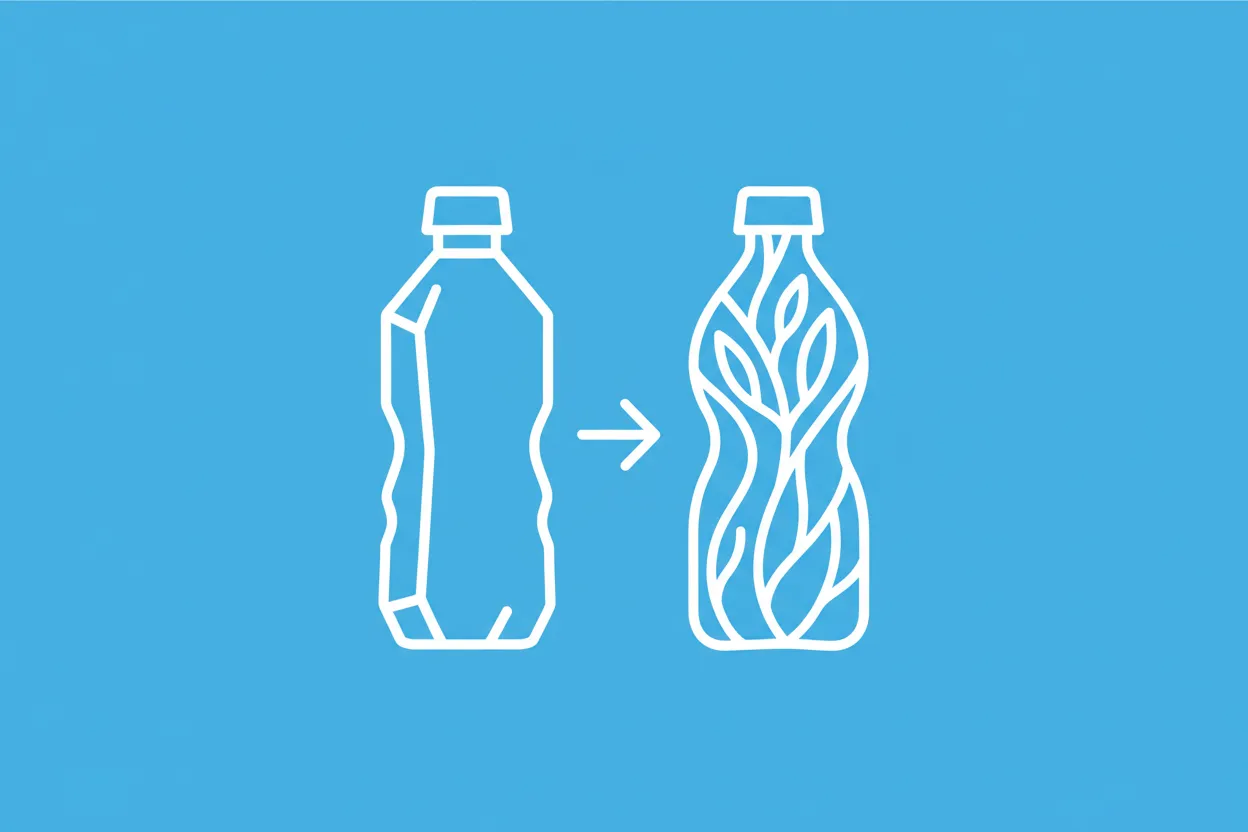
Too much waste ends up in landfills or oceans because some materials are hard to recycle or cause pollution. Finding better materials can help fix this problem by making products easier to recycle and less harmful to nature.
Sometimes the materials we use come from scarce or polluting sources, creating risks for the environment and people. Switching to safer, renewable, or recycled materials can reduce waste, save resources, and protect workers and ecosystems.
Replacing one material with another—known as material substitution—helps businesses and consumers lower pollution, improve recycling, and support a circular economy where resources are used again instead of thrown away. Have you seen products made from recycled or natural materials lately?
Definition: material substitution
Material substitution means replacing one material with another in products or processes to reduce environmental impact. It focuses on using materials that save resources, lower pollution, or make recycling easier, like swapping plastic parts for biodegradable ones.
Material substitution focuses on using materials that save resources and lower pollution. It means replacing one material with another to reduce environmental impact.
For example, a company might replace plastic packaging with paper that’s easier to recycle. This change can cut down plastic waste and make recycling simpler, showing how material substitution works in real life.
How material swapping shaped Europe’s green journey
Have you ever wondered why some products use different materials than before? Swapping out traditional materials for greener options helps reduce waste and pollution. This practice, known as material substitution, plays a key role in making products more sustainable.
Back in the 1980s, Swiss researcher Walter Stahel pushed for extending product lifespans to save resources and cut waste. Later, economist Tim Jackson highlighted stopping environmental harm before it starts, setting the stage for circular economy ideas. These early insights inspired the EU to create rules like REACH, encouraging safer chemicals and greener materials.
Material passports are a handy tool that list what’s inside products, making it easier to recycle and find safer materials. This transparency supports smarter material choices and helps close the loop on waste.
The shift toward material substitution shows how science, policy, and technology can work together for a cleaner future. It’s a great example of how small changes in materials can lead to big wins for our planet.
7 examples on choosing alternative materials for better sustainability
Switching to different materials can reduce waste and improve recycling efforts. Here are some practical ways industries and consumers are making smarter material choices:
- Bioplastics: These are made from renewable sources like corn or sugarcane, reducing reliance on fossil fuels. They often break down more easily than traditional plastics.
- Recycled aluminum: Using aluminum scrap saves up to 95% of the energy compared to making new aluminum. This helps cut emissions and supports circular economy goals.
- Bamboo products: Bamboo grows quickly and requires fewer resources than hardwood. It’s a strong, natural alternative for furniture and packaging.
- Glass containers: Glass is infinitely recyclable without losing quality. Choosing glass over single-use plastic bottles lowers environmental impact.
- Cotton alternatives: Materials like hemp or linen use less water and pesticides than traditional cotton. They offer eco-friendly options for textiles.
- Wood pellets for fuel: These replace coal in heating systems and come from compressed wood waste. It’s a renewable energy choice that cuts carbon emissions.
- Paper-based packaging: Switching from plastic wraps to paper reduces plastic waste. When sourced responsibly, paper packaging supports recycling systems.
Some material swaps may seem costly or less convenient at first, but they often bring long-term benefits. Balancing performance with environmental impact is key for a sustainable future.
Terms related to choosing alternative resources
Switching to different materials can significantly reduce environmental impacts and support a circular economy.
| Term | Description |
|---|---|
| Sustainable materials | Resources sourced and used in ways that protect the environment and society long-term. |
| Circular economy | A system focused on reusing, recycling, and regenerating materials to minimize waste. |
| Life cycle assessment (LCA) | A method to evaluate the environmental effects of a product from creation to disposal. |
| Eco-design | Designing products with minimal environmental impact throughout their life. |
| Resource efficiency | Using fewer materials and energy to achieve the same or better results. |
| Renewable materials | Resources that naturally replenish, like bamboo or bio-based plastics. |
| Waste reduction | Strategies to minimize waste generation during production and consumption. |
Frequently asked questions on material substitution
Material substitution is key to creating more sustainable products and reducing waste. Here are answers to common questions about this important topic.
What is sustainable material substitution?
Sustainable material substitution means replacing harmful or non-renewable materials with ones that have less environmental impact, helping reduce waste and pollution while supporting a circular economy.
How does material substitution support the circular economy?
By choosing materials that are easier to recycle or reuse, substitution helps keep resources in use longer, reducing waste and the need for new raw materials.
What role does life cycle assessment (LCA) play in material substitution?
LCA evaluates the environmental impact of a material throughout its whole life, helping identify better, more sustainable options for substitution.
Can eco-design influence material substitution?
Yes! Eco-design focuses on creating products with less environmental impact by using sustainable materials and designing for easy recycling or reuse.
How does material substitution improve resource efficiency?
It uses materials that require less energy or water to produce and are easier to recycle, which means fewer resources are wasted.
Are renewable materials better for material substitution?
Often yes, because renewable materials come from sources that can be replenished naturally, reducing reliance on finite resources.
How does material substitution contribute to waste reduction?
By switching to materials that are recyclable or biodegradable, substitution reduces the amount of waste sent to landfills.
What is material innovation in the context of substitution?
Material innovation means developing new or improved materials that have better environmental performance and support circularity.
Why is environmental impact assessment important for material substitution?
It helps measure how a material affects air, water, and soil quality, ensuring substitutions truly benefit the environment.
