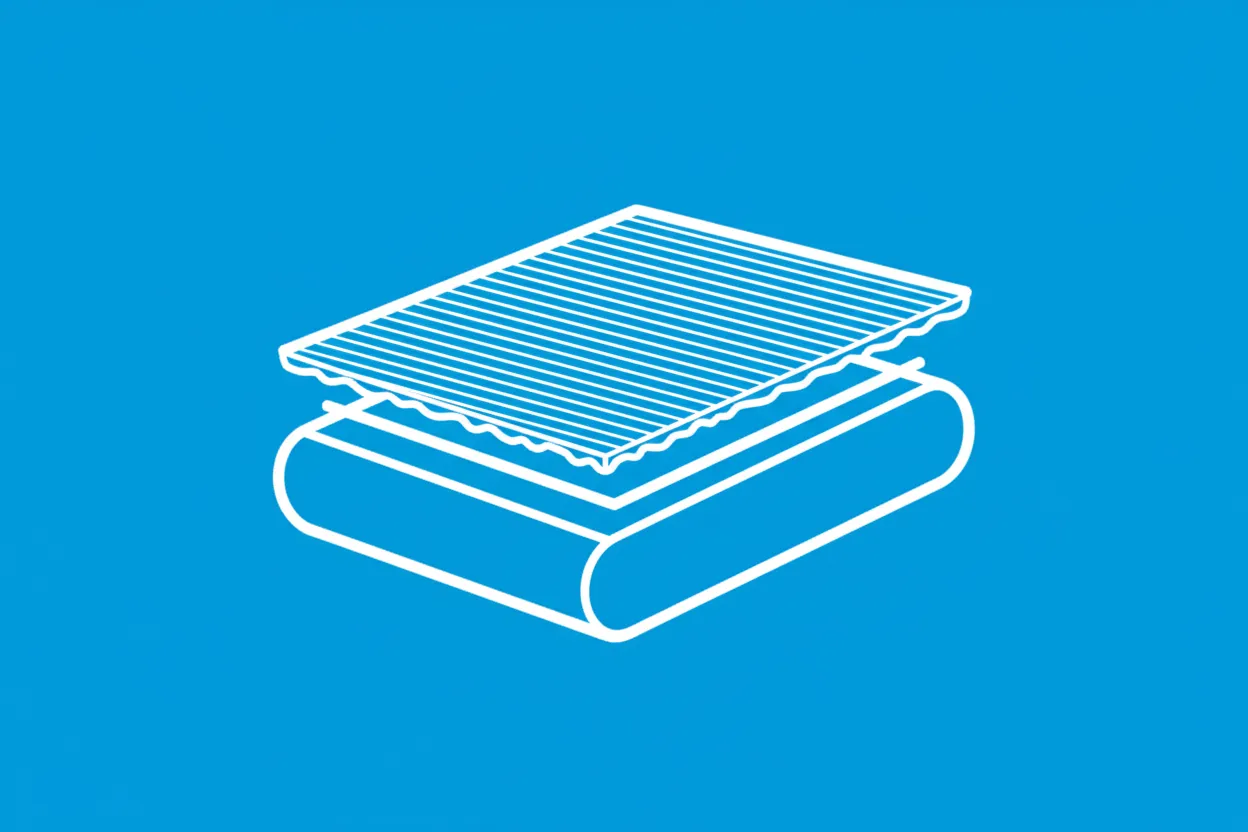
More than 40% of all packaging worldwide includes materials like paper-plastic laminate, where paper and plastic layers are bonded together. This combination gives packaging both the strength and printability of paper and the protection and moisture resistance of plastic.
Plastic layers in these laminates help keep products fresh by blocking water and air, while the paper side shows logos and instructions clearly. However, the tightly stuck layers make recycling hard, often causing waste to end up in landfills instead of being reused.
Because separating these layers is expensive and difficult, many paper-plastic laminates aren't recycled well, contributing to pollution. Efforts are underway to design laminates that recycle easier or use eco-friendly plastics, helping packaging become greener and more circular.
Definition: paper-plastic laminate
Paper-plastic laminate is a material made by bonding paper and plastic layers together. It combines paper’s print-friendly surface with plastic’s strength and moisture resistance, making it ideal for packaging that protects products while showing logos or instructions clearly.
Paper-plastic laminate combines paper’s print-friendly surface with plastic’s strength and moisture resistance. It bonds paper and plastic layers together for durable packaging.
Think about your snack bag or coffee pouch. The paper layer lets companies print colorful designs, while the plastic keeps your food fresh by blocking water and air. This mix makes paper-plastic laminates handy for many everyday packaged goods.
Clearing up common myths about paper-plastic laminate packaging
Have you ever wondered if paper-plastic laminate packaging is truly recyclable or eco-friendly? Many people assume it is, but the reality is more complicated. Let’s take a closer look at what’s true and what’s not about this popular packaging type.
The mix of paper and plastic layers makes recycling a tough job. These materials are stuck together so tightly that separating them requires special facilities, which aren’t widely available. Because of this, paper-plastic laminates often end up in landfills instead of being recycled, adding to waste problems. Plus, the plastic parts don’t break down easily, so they linger in the environment much longer than paper alone would.
Not all paper packaging is automatically good for the planet either. Some are treated with chemicals to resist water or grease, which can be harmful to people and nature. So, just seeing “paper” on packaging doesn’t guarantee it’s a safe or sustainable choice. It’s important to look beyond appearances and understand what’s inside.
Thinking paper-plastic laminates are easy to recycle or fully biodegradable isn’t accurate. Their complex makeup and treatment mean they can cause more environmental harm than expected.
6 examples on challenges with mixed material packaging
Here are some typical cases where combining materials makes recycling tricky:
- Snack bags: These often use paper-plastic laminates, making it hard to separate layers for recycling. The mix keeps snacks fresh but complicates waste processing.
- Coffee pouches: Designed to lock in flavor and aroma, these use multi-layer laminates that resist recycling streams. This keeps coffee fresh but adds to landfill waste.
- Frozen food wraps: Made with plastic-coated paper, these wraps protect food but create sorting problems at recycling centers.
- Takeout containers: Some use paper with plastic lining to prevent leaks, yet this combination is rarely recycled properly.
- Milk cartons: Often made from paperboard with plastic and aluminum layers, these cartons need special recycling processes.
- Magazine covers: Glossy pages use plastic-coated paper, which improves appearance but hinders recycling efforts.
While these combinations improve product performance, they create obstacles for recycling systems aiming for circularity. Balancing protection and sustainability remains a challenge in packaging design.
Terms related to layered packaging materials
Layered packaging combines different materials to improve product protection and shelf life, but it can create challenges for recycling and waste management.
- Composite materials: Made by combining two or more materials to create a product with improved properties, such as strength or moisture resistance.
- Barrier technology: Techniques used to prevent gases, moisture, or contaminants from passing through packaging, keeping products fresh longer.
- Laminated packaging: Packaging made by bonding layers of different materials, often paper and plastic, to enhance durability and functionality.
- Multi-material separation techniques: Methods used to separate different materials in packaging for more efficient recycling and reduced waste.
- Paper coating technologies: Processes that add protective or functional layers to paper, improving its performance in packaging applications.
- Circular economy in packaging: A system where packaging materials are designed to be reused, recycled, or composted, minimizing waste and resource use.
Frequently asked questions on paper-plastic laminate
Here are the top questions people ask about paper-plastic laminate packaging.
What are composite materials in paper-plastic laminate?
Composite materials are made by combining two or more different materials, like paper and plastic, to create packaging that has the strengths of both. This helps protect products better but can make recycling more challenging.
How does laminated packaging affect sustainability?
Laminated packaging offers strong protection and extends product life, reducing waste. However, because it mixes materials, it can be harder to recycle, which is a key factor in sustainability efforts.
Can paper-plastic laminate be recycled easily?
Recycling paper-plastic laminate is tricky because the layers are fused together. Specialized processes are needed to separate materials, but these aren't widespread yet, which limits recycling options.
What role does barrier technology play in laminated packaging?
Barrier technology helps keep food fresh by blocking moisture, oxygen, and other contaminants. Laminates combine materials to create effective barriers, extending shelf life and reducing food waste.
Why is plastic waste management important for laminated packaging?
Since laminated packaging contains plastic, managing plastic waste properly prevents pollution. Effective waste management ensures materials are reused or recycled instead of ending up in landfills or oceans.
How does paper coating technology improve laminated packaging?
Paper coatings add water resistance and durability to paper layers in laminates. This helps packaging perform better but can also impact how easy it is to separate materials for recycling.
What challenges exist for circular economy in paper-plastic laminate?
Because laminated packaging combines materials, it’s harder to recycle and reuse, which slows down circular economy goals. Innovations in design and recycling technology are needed to improve circularity.
