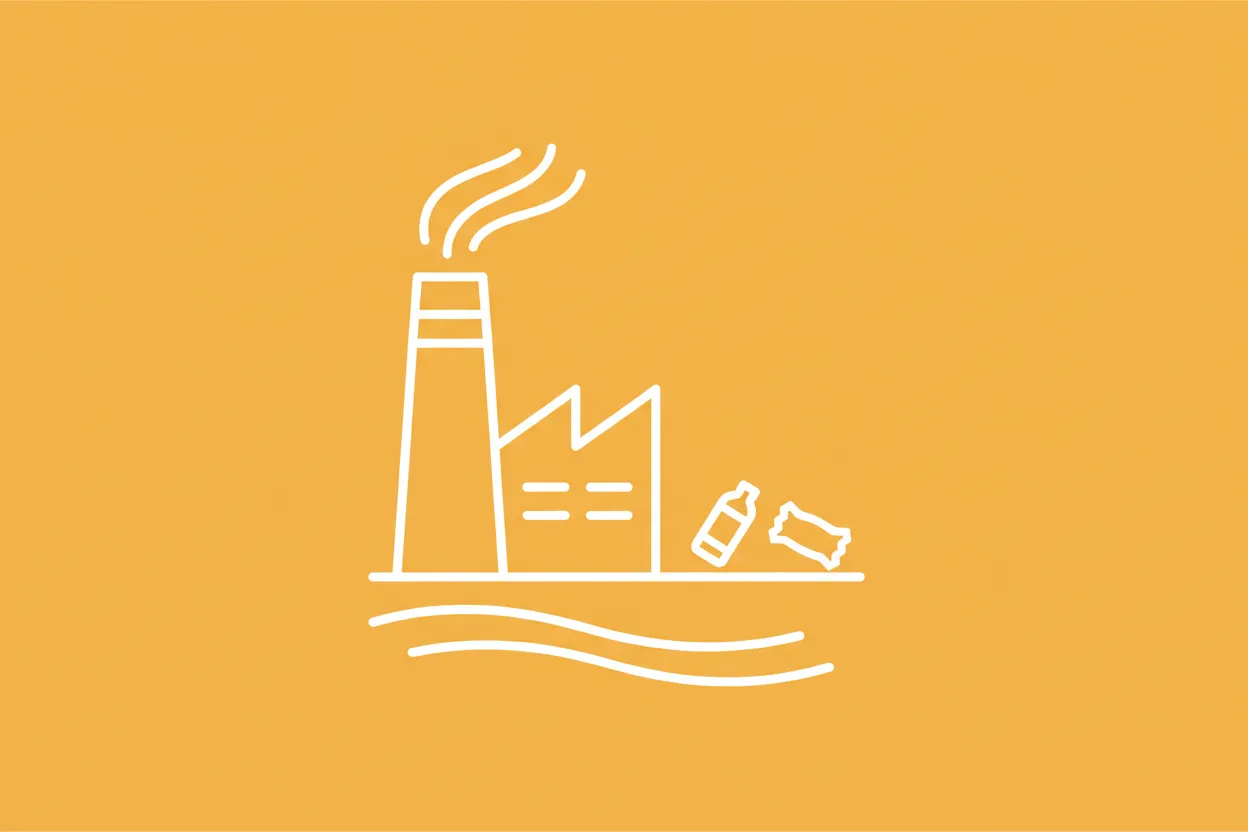
Sometimes the air feels heavy, the water looks murky, and trash piles up where it shouldn’t. These signs point to pollution, which happens when harmful substances get into the environment and cause damage to air, water, or land.
Pollution is a challenge that affects plants, animals, and people by making nature unsafe and unhealthy. It often spreads far from where it starts, showing why everyone—individuals, businesses, and governments—needs to work together to tackle it.
From smoke in the air to chemicals in rivers and trash on the ground, pollution comes from many everyday sources like factories, cars, farms, and homes. Finding solutions means reducing waste, recycling more, and choosing cleaner ways to live, protecting health and the planet for the future.
Definition: pollution
Pollution is when harmful substances, called pollutants, enter the environment and damage the air, water, or land. These pollutants come from sources like factories, cars, farms, and homes. Pollution affects plants, animals, and people by making the environment unsafe and unhealthy.
Pollution affects plants, animals, and people by making the environment unsafe and unhealthy. It happens when harmful substances, called pollutants, enter the air, water, or land.
For example, when a factory releases smoke into the air, it causes air pollution that can make it hard to breathe. Or when chemicals from farms wash into rivers, they cause water pollution that harms fish and makes water unsafe to drink. These everyday situations show how pollution impacts the world around us.
Clearing up common myths about pollution and its effects
Have you ever wondered if electric cars really help reduce pollution? Or if all plastics are impossible to recycle? Many stories around pollution create confusion, making it harder to see what’s true and what’s not about protecting our planet.
Some think electric vehicles cause more pollution than regular cars because of battery production. While making batteries does use energy, electric cars produce less pollution over time. Also, not all plastics are trash—many types can be recycled thanks to new technologies, helping cut down waste and pollution.
Pressure washing might seem harmful, but used properly it cleans surfaces without damage. And light pollution, often seen as unavoidable in cities, can actually be reduced with smart lighting designs that protect night skies.
These myths can stop us from making better choices. Knowing the facts about pollution helps us act smarter and greener every day.
4 examples on sources that harm our environment
Here are some common ways human activities add harmful materials to nature:
- Plastic waste: Discarded plastic products often end up in oceans and landfills, creating long-lasting environmental issues. This is a key challenge for recycling and circular economy efforts.
- Industrial emissions: Factories release gases and particles that can degrade air quality, impacting health and ecosystems. Managing these emissions is part of extended producer responsibility.
- Chemical runoff: Pesticides and fertilizers from farms can flow into rivers, harming aquatic life and contaminating water supplies. Reducing this requires better product design and waste control.
- Electronic waste: Old gadgets contain hazardous materials that can leach into soil and water if not properly recycled. EPR programs encourage manufacturers to take back and recycle these products.
While these sources cause damage, many solutions focus on reducing waste and improving recycling systems. Shifting toward a circular economy can turn these problems into opportunities for cleaner production and healthier communities.
Terms related to environmental contamination
Air, water, and soil can carry harmful substances that affect health and nature. Here are key terms to know about these issues:
| Term | Description |
|---|---|
| Contaminants | Harmful substances found in air, water, or soil. |
| Emissions | Gases or particles released into the air from sources like factories. |
| Runoff | Water carrying pollutants from land into water bodies. |
| Land degradation | Decline in soil quality due to pollution or misuse. |
| Hazardous waste | Dangerous materials that require special disposal. |
| Bioaccumulation | Build-up of toxic substances in living organisms over time. |
Frequently asked questions on pollution
Pollution affects many parts of our environment and daily life. Here are answers to common questions about its impact and how we can tackle it.
What is environmental contamination?
Environmental contamination happens when harmful substances like chemicals or waste enter the air, water, or soil. This can come from factories, vehicles, or improper waste disposal, affecting ecosystems and human health.
How does air quality affect us?
Poor air quality means the air contains pollutants like smoke, dust, or gases that can harm our lungs and overall health. Cleaner air reduces illness and supports a healthier environment.
What causes water pollution?
Water pollution occurs when harmful materials like chemicals, plastics, or sewage get into rivers, lakes, or oceans. This harms aquatic life and makes water unsafe for drinking and recreation.
How does soil degradation happen?
Soil degradation is when soil loses its nutrients and structure, often due to pollution, overuse, or deforestation. This lowers soil fertility, making it harder to grow crops and support plants.
Why is waste management important?
Proper waste management ensures trash is collected, sorted, and recycled or disposed of safely. Good waste handling reduces pollution, saves resources, and supports a circular economy.
What impact does chemical exposure have?
Chemical exposure from pollutants or unsafe products can harm humans and wildlife by causing illnesses or disrupting ecosystems. Reducing chemical use and improving disposal helps protect health and nature.
