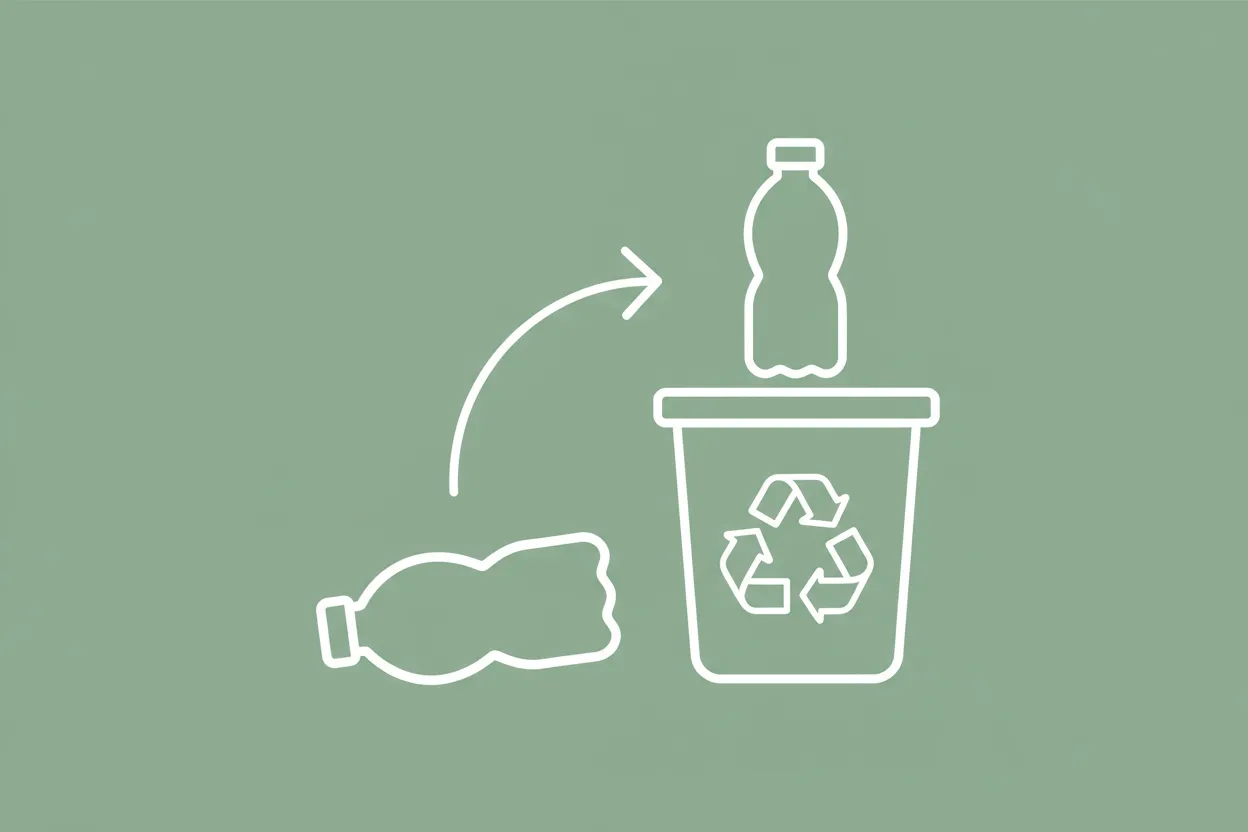
When you finish a soda and toss the empty bottle in the bin, that bottle becomes part of post-consumer waste—the stuff people have used and then thrown away. It’s the waste left over after you’ve enjoyed a product and decided it’s no longer needed.
Think about how many plastic bottles, old clothes, or food containers pile up in your home or neighborhood. Post-consumer waste is everywhere, and how we handle it can help save resources and protect our planet from pollution.
When bottles or cans get recycled instead of tossed out, they can transform into new products, cutting down the need to make fresh materials. This simple act keeps resources in a loop, supporting a cleaner environment and a smarter, circular way of living.
Definition: post-consumer waste
Post-consumer waste is the stuff people use and then throw away, like empty bottles, packaging, or old clothes. It’s different from waste made during production because this waste has already been in the hands of consumers before being discarded.
Post-consumer waste comes from items people have already used and discarded. It is the trash left after consumers finish using products.
Think about a soda bottle you finish drinking. Once you toss it in the trash or recycling bin, it becomes post-consumer waste. If recycled, it can turn into new bottles or other products, saving resources and reducing pollution.
Where does post-consumer waste in Europe come from?
Have you ever wondered why so much waste ends up in the trash after we use products? Post-consumer waste includes things like packaging, old clothes, and broken electronics that people throw away every day. Knowing where this waste comes from helps us find better ways to manage it.
In Europe, packaging is a major part of this waste problem. On average, each person creates 173 kilograms of packaging waste yearly, and plastic packaging alone makes up 60% of plastic waste on the continent. Textiles and electronics also add to the pile. Many clothes are sent abroad, but only a small portion gets reused or recycled properly. Electronics are regulated by specific laws aiming to improve their recycling.
Many products are designed more for convenience than for easy recycling. People often prefer single-use items, and sorting waste correctly can be confusing. These habits make it harder to recycle and increase the amount of post-consumer waste piling up.
Changing this requires smarter product designs, encouraging reusable options, and teaching people how to dispose of items responsibly. By doing this, Europe can reduce waste and create a more circular economy that benefits everyone. 4 examples on how everyday materials can be reused
Here are some common ways materials that have already been used get a second life:
- Plastic bottles: These are often collected, cleaned, and melted down to create new containers or fibers used in clothing. This process helps reduce the demand for new plastic production.
- Glass jars: After cleaning, glass jars can be reused for storage or recycled into new glass products without losing quality. Glass recycling saves raw materials and energy.
- Cardboard boxes: Once used for shipping, cardboard can be broken down and recycled into new paper products. Recycling cardboard reduces deforestation and landfill waste.
- Aluminum cans: These are highly recyclable and can be melted to form new cans or other aluminum products repeatedly. Recycling aluminum saves 95% of the energy needed to make new aluminum.
While these examples show great potential for reducing waste, some materials still end up in landfills due to contamination or lack of recycling facilities. Improving collection and processing systems is key to making circular use of these resources more effective.
Terms related to waste from used products
Many materials we throw away can be reused or recycled to help protect the environment.
- Recycling: The process of turning old materials into new products, reducing the need for raw resources.
- Waste segregation: Sorting waste into categories like plastics, paper, and organic matter to improve recycling efficiency.
- Circular economy: A system where products and materials are kept in use for as long as possible to minimize waste.
- Resource recovery: Extracting usable materials or energy from waste to reduce landfill use.
- Landfill reduction: Efforts to decrease the amount of waste sent to landfills by promoting reuse and recycling.
Frequently asked questions on post-consumer waste
Post-consumer waste plays a key role in sustainability and circular economy efforts.
What is post-consumer waste recycling?
Recycling post-consumer waste means collecting used products from consumers and turning them into new materials. This reduces the need for raw resources and helps keep waste out of landfills, supporting a circular economy.
How does post-consumer waste affect landfill reduction?
By diverting post-consumer waste to recycling or reuse, less trash ends up in landfills. This reduces pollution, conserves space, and lowers greenhouse gas emissions from decomposing waste.
What role does post-consumer waste play in a circular economy?
Post-consumer waste provides valuable materials that can be recycled or repurposed. Using these materials keeps products in use longer and minimizes the need for new resources, which is the heart of a circular economy.
How is post-consumer waste managed effectively?
Effective management includes separating waste at the source, collecting it properly, and processing it through recycling or recovery systems. Extended producer responsibility (EPR) programs can help by requiring producers to take part in waste management.
Why is resource recovery from post-consumer waste important?
Recovering resources like metals, plastics, and paper from post-consumer waste saves energy and reduces environmental impact. It turns waste into valuable inputs for new products, supporting sustainability goals.
