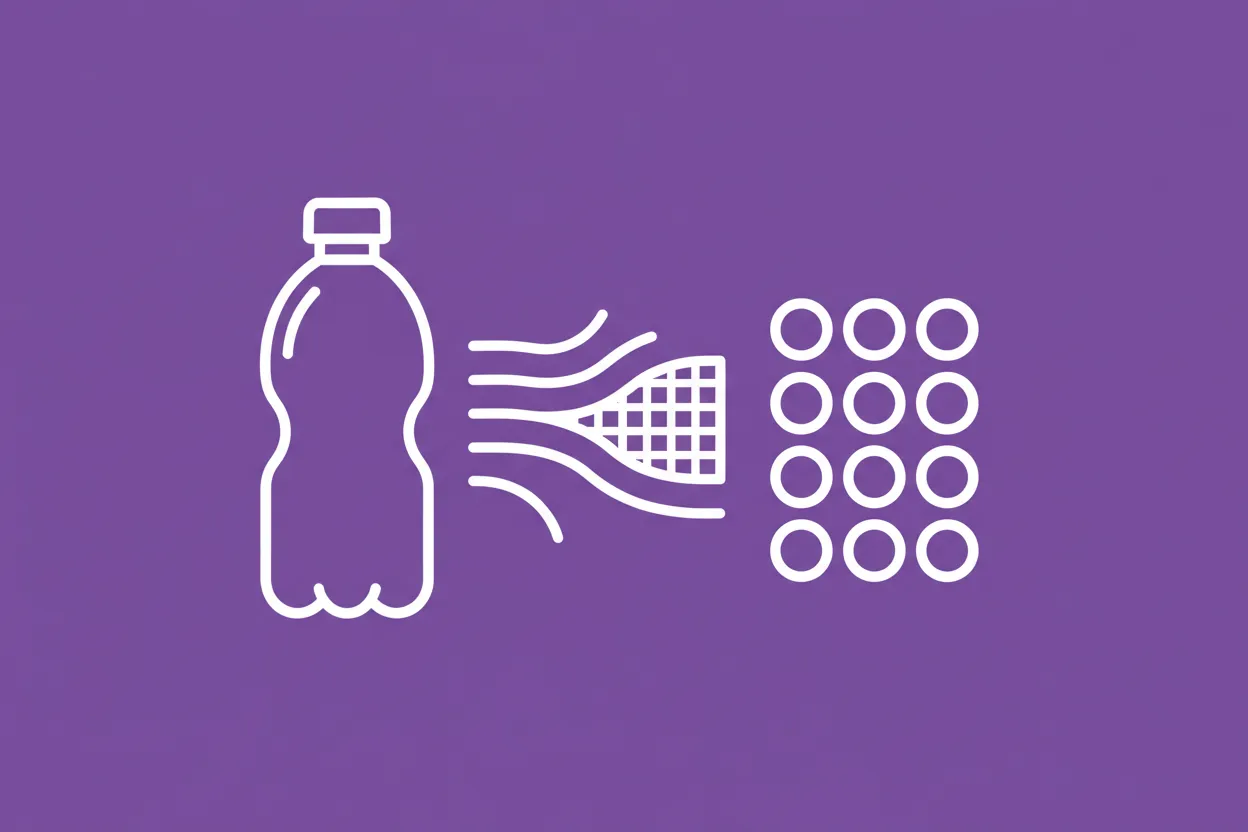
More than 90% of plastic waste can lose value if recycled materials are not clean and pure enough. This is why recyclate quality plays a crucial role in turning old materials into useful new products without wasting resources.
High recyclate quality means recycled materials are nearly as good as new ones, helping reduce waste and protect the planet. Low-quality recyclate often ends up as less valuable products or even waste, which is why sorting and cleaning recyclables is so important.
Definition: recyclate quality
Recyclate quality refers to how clean, pure, and usable recycled materials are after processing. High recyclate quality means recycled materials can replace new raw materials without losing strength or usefulness, helping reduce waste and save natural resources.
High recyclate quality means recycled materials can replace new raw materials without losing strength or usefulness. It refers to how clean, pure, and usable recycled materials are after processing.
For example, if you rinse and sort your plastic bottles before recycling, the recycled plastic is cleaner and stronger. This high-quality recyclate can then be used to make new bottles or packaging, rather than lower-value items.
Common myths about recyclate quality and what really matters
Have you ever wondered if everything labeled recyclable can actually be recycled? Many people assume all plastics are accepted in recycling programs, but that’s not quite true. Some items like plastic films and multilayer packaging cause problems by contaminating recyclables.
Recycling involves more than just tossing items in a bin. Materials like paper and plastics can lose quality each time they’re recycled, and certain recycling processes use energy and water that affect the overall environmental benefit. Knowing these details helps us appreciate the challenges behind producing good-quality recyclate that can be reused effectively.
It’s also easy to think recycled materials are always lower in quality than new ones. Thanks to new technologies, recyclates can be just as good, sometimes even for sensitive uses like cosmetic packaging. Still, keeping recyclables clean and sorted correctly is key to maintaining this quality.
Recycling alone won’t solve waste problems—it’s just one part of a bigger system. Designing products for easier recycling and reducing non-recyclable materials are essential steps toward better circularity and sustainability.
3 examples on factors that affect plastic recycling value
Several elements influence the final value of recycled plastic materials:
- Contamination levels: High contamination reduces the purity and usability of recycled plastics, making them less attractive for manufacturers.
- Sorting accuracy: Precise separation of plastic types improves consistency and performance of the recyclate.
- Processing techniques: Advanced methods like washing and pelletizing enhance the stability and quality of recycled pellets.
While some plastics return to new products seamlessly, others face challenges due to impurities or mixed materials. This gap affects how easily recycled materials can replace virgin resources in manufacturing.
Key terms related to recycled material standards
Recycling success depends heavily on the cleanliness and proper handling of materials throughout the process.
| Term | Description |
|---|---|
| Material Purity | The degree to which recycled materials are free from foreign substances or mixed materials. |
| Contamination Levels | The amount of unwanted materials or impurities present in recycled waste that affect quality. |
| Sorting Technologies | Tools and methods used to separate materials to improve recycling efficiency and purity. |
| Recycling Processes | Techniques that transform waste into reusable materials, influencing the final material quality. |
| Post-Consumer Waste | Used products discarded by consumers, which are collected for recycling and reuse. |
| Quality Standards | Guidelines ensuring recycled materials meet specific requirements for reuse in new products. |
Frequently asked questions on recyclate quality
Recyclate quality is key to creating strong, sustainable materials that can be reused in new products.
What is material purity in recyclate?
Material purity means how clean and free from unwanted substances the recycled material is. Higher purity means better quality and easier reuse in new products.
How do contamination levels affect recyclate?
Contamination lowers recyclate quality by mixing in dirt, food, or other materials. This can weaken the recycled product or make recycling harder.
What sorting technologies improve recyclate quality?
Sorting tech like optical scanners or magnets separate materials by type and color. This helps keep recyclate pure and ready for reuse.
How do recycling processes impact recyclate quality?
Different recycling methods—mechanical or chemical—affect how clean and strong the recycled material is. Choosing the right process ensures better quality recyclate.
What role does post-consumer waste play in recyclate quality?
Post-consumer waste is used material collected from consumers. Its quality varies a lot, so careful collection and sorting are crucial for good recyclate.
Are there quality standards for recyclate?
Yes, quality standards set clear rules on purity, strength, and safety. They help manufacturers trust recycled materials for their products.
How does supply chain management influence recyclate quality?
Good supply chain management means materials are tracked, sorted, and handled properly. This reduces contamination and improves recyclate reliability.
Why is product design important for recycling?
Designing products with recycling in mind—using fewer mixed materials or easy-to-separate parts—makes recycling simpler and improves recyclate quality.
How do circular economy principles relate to recyclate quality?
Circular economy encourages keeping materials in use longer through recycling. High-quality recyclate supports this by enabling more cycles of reuse and less waste.
