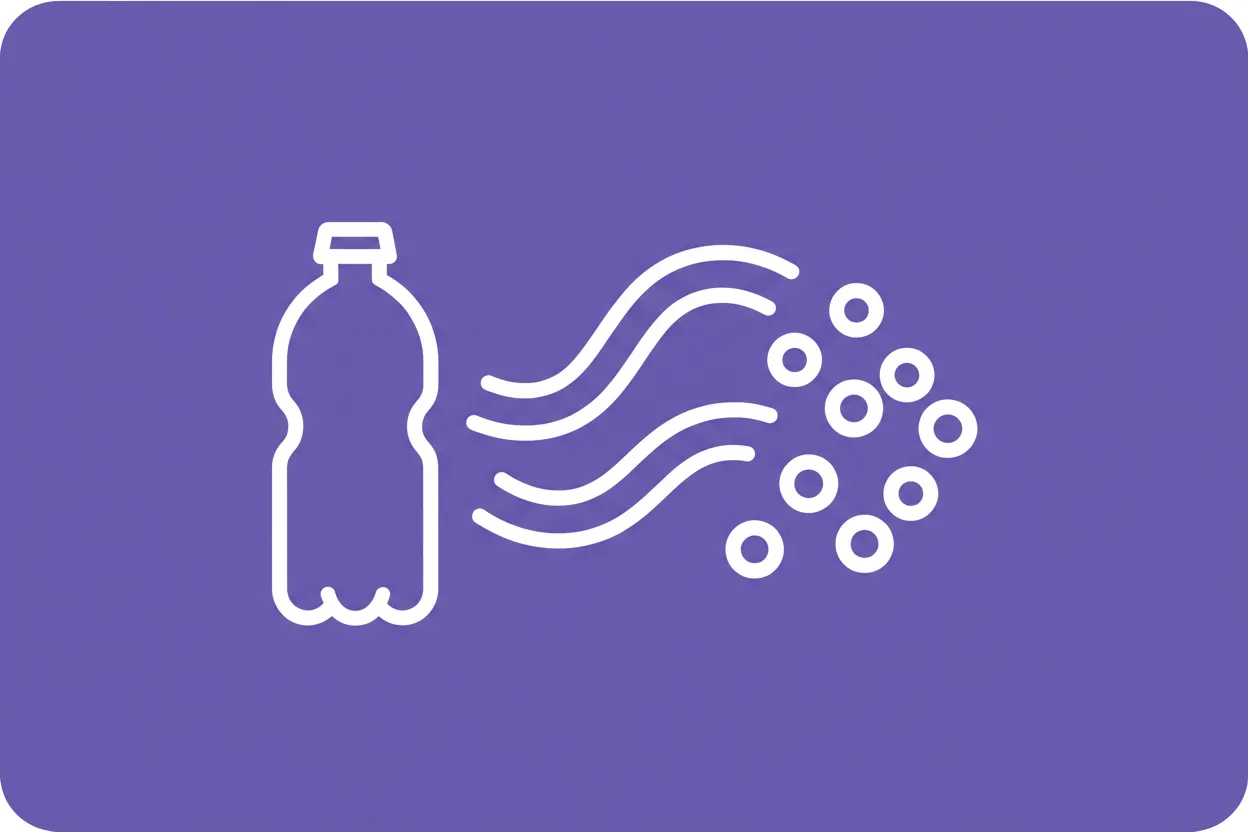
Lots of waste gets thrown away every day, but not all of it is useless. Some of this waste can be cleaned and turned into new raw materials, ready to be used again in making products.
This recycled material is called recyclate, and it helps keep valuable resources in circulation instead of ending up in landfills or the environment. By using recyclate, companies save energy and reduce pollution while supporting a circular economy.
When waste like plastic bottles or metal scraps become recyclate, they get a second chance as new packaging, clothing, or parts in cars and furniture. This keeps materials working longer and helps protect the planet for future generations.
Definition: recyclate
Recyclate is material recovered from waste and processed so it can be reused in manufacturing. Instead of discarding items like plastic or metal, these materials are cleaned and transformed into raw materials, reducing the need for new natural resources.
Recyclate is cleaned and transformed waste material ready for reuse. It reduces the need for new natural resources by being processed for manufacturing.
For example, a recycled plastic bottle is cleaned, melted, and made into small pellets called recyclate. These pellets then become new products like packaging or clothing fibers. This process cuts down plastic waste and pollution by keeping materials in use longer.
Where does recycled material come from?
Have you ever wondered how waste turns back into useful materials? Recyclate is created when waste products are processed and prepared for reuse. In Europe, this valuable resource mainly comes from two places: what consumers throw away and leftover scraps from factories.
Waste from everyday life, like plastic bottles and packaging, makes up post-consumer recyclate. Households separate this waste using systems like the Yellow Bag or Yellow Bin, helping companies collect clean materials. Firms such as Werner & Mertz rely on these collections to make new packaging from old plastics.
Factories also produce recyclate during production. Post-industrial waste includes scraps or defective items that never reach customers. For decades, companies like Veltkamp have reused these materials, turning things like bottle caps and car bumpers into new plastic products.
Both sources are essential for a healthy circular economy. Improving how we collect and process recyclate ensures better quality materials for future use.
5 examples on how recycled materials are used in everyday products
Here are some clear examples showing how materials from recycling get a second life in common items:
- Clothing fibers: Fabrics made from recycled plastics help reduce waste. These fibers are often found in sportswear and outdoor gear for better sustainability.
- Plastic packaging: Recycled plastics are turned into new containers and bottles. This process supports circularity by keeping materials in use longer.
- Construction materials: Materials like recycled glass and plastic can be mixed into concrete or insulation. This reduces the need for virgin raw materials.
- Furniture components: Some chairs and tables include recycled plastics or metals. Using these materials lowers environmental impact in manufacturing.
- Automotive parts: Recycled plastics and metals are used for dashboards and bumpers. This helps car makers meet sustainability goals without compromising quality.
Many products still rely heavily on new materials despite these advances. Increasing recycled content is a key step toward reducing waste and conserving resources.
Terms related to recycled materials
Recycling plays a key role in saving resources and reducing waste in our daily lives.
- Polymer recycling: The process of converting plastic waste into reusable materials, helping reduce the need for new plastic production.
- Circular economy: A system where products and materials are kept in use for as long as possible through reuse, repair, and recycling.
- Waste management: The collection, treatment, and disposal of waste to minimize environmental impact.
- Material recovery: Extracting valuable materials from waste to be reused in manufacturing.
- Plastic sorting: Separating different types of plastics to improve recycling efficiency and product quality.
- Quality control in recycling: Ensuring recycled materials meet standards to be safely and effectively reused.
Frequently asked questions on recyclate
Recyclate plays a key role in turning waste into valuable resources for a greener future.
What is recyclate and why is it important?
Recyclate is material recovered from waste, like plastics or metals, to be reused in making new products. It reduces the need for new raw materials, saves energy, and helps protect the environment.
How does plastic sorting affect recyclate quality?
Sorting plastics correctly ensures cleaner, more uniform recyclate. This improves the recycled material’s strength and safety, making it more useful for manufacturers and boosting recycling success.
What role does quality control play in recycling?
Quality control checks recyclate for contamination and consistency. Good quality control means recycled materials meet standards, so products made from recyclate are reliable and safe.
How does recyclate support a circular economy?
Recyclate helps close the loop by turning waste back into resources. This reduces landfill use and raw material extraction, supporting a system where products are reused and recycled continuously.
What is the connection between recyclate and sustainable manufacturing?
Using recyclate in manufacturing lowers environmental impact by cutting waste and energy use. It helps companies make greener products and meet sustainability goals.
How does life cycle assessment relate to recyclate?
Life cycle assessment looks at a product’s environmental impact from start to finish. Including recyclate usually shows a lower footprint because recycled materials use less energy than new ones.
What challenges exist in polymer recycling?
Polymers often come in many types and blends, making recycling tricky. Effective sorting and cleaning are vital to produce high-quality recyclate suitable for new products.
What are secondary raw materials in recycling?
Secondary raw materials are recyclate used instead of virgin resources. They help save natural resources, reduce pollution, and support a more sustainable economy.
