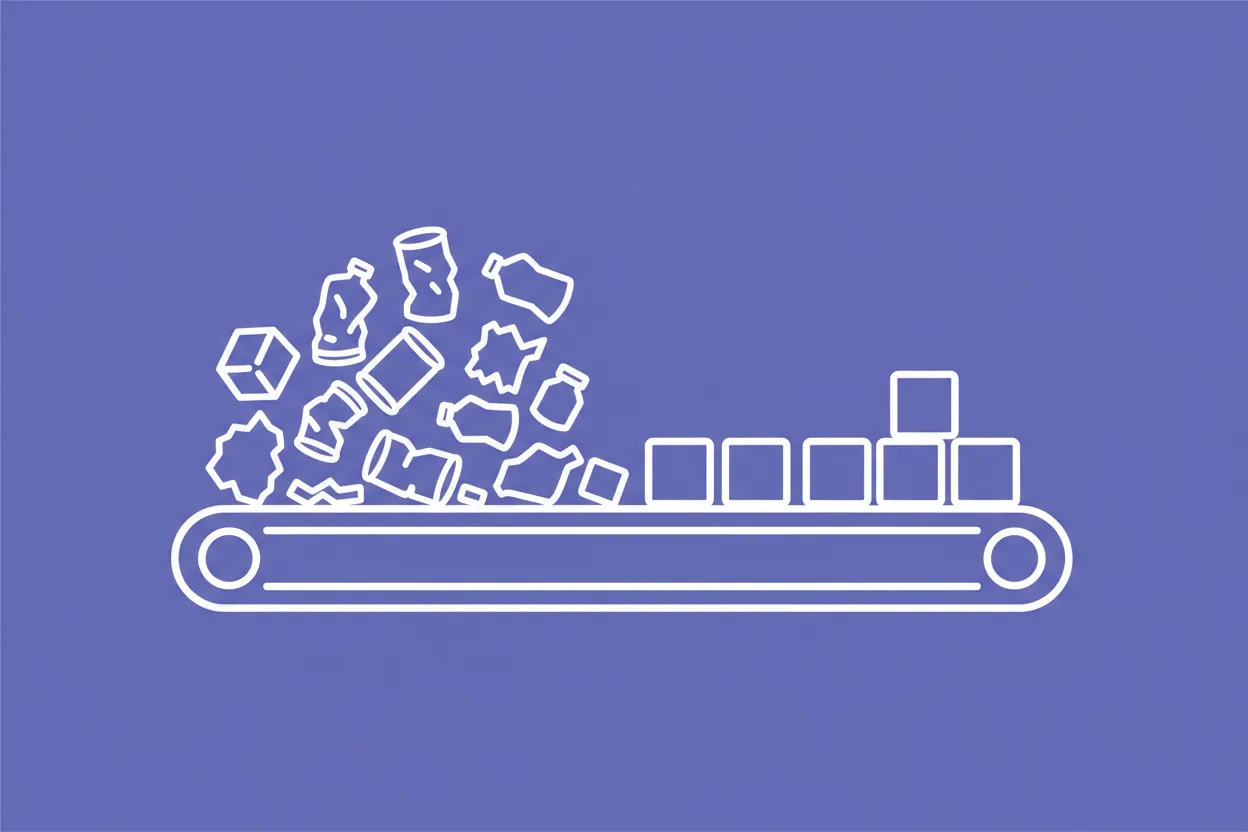
Recycling efficiency reveals how much waste gets successfully turned back into useful materials instead of being lost or thrown away. It’s a key way to see how well recycling systems save resources and protect the environment.
This measure depends on factors like how clean and sorted the waste is, the technology used, and whether recycled materials find a market to be reused. When recycling efficiency is high, fewer new resources are needed, and less pollution is created.
Better recycling efficiency means more materials stay in a circular loop, helping communities and companies reduce waste and energy use. What steps could you take to help improve recycling in your daily life?
Definition: recycling efficiency
Recycling efficiency measures the percentage of waste that is successfully turned back into usable raw materials from the total waste collected. It shows how well a recycling process recovers materials like paper, plastic, or metal without losing or contaminating them during processing.
Recycling efficiency shows how well materials are recovered without loss or contamination. It measures the percentage of waste turned into usable raw materials from the total collected.
If you collect 100 kilograms of plastic waste and 80 kilograms become new plastic products, then recycling efficiency is 80%. This means most of the plastic was reused instead of being thrown away, saving resources and energy while reducing pollution.
How recycling effectiveness took shape in Europe
What sparked Europe’s rise in recycling success? It began with laws, new tech, and people caring more about the planet. These forces worked together to change how waste is managed and materials are reused.
Back in the 1990s, the EU pushed new rules that made countries recycle more packaging waste. Later, directives tackled electronic waste, setting clear goals for collection and reuse. Alongside laws, better sorting machines and steel recycling processes boosted recycling quality and helped close the loop on materials.
Many European countries saw recycling as a shared responsibility. Communities sorted waste carefully, and programs turned trash into resources instead of landfill. Public involvement made recycling more than a policy—it became part of everyday life.
Challenges still exist, like plastic waste being sent outside Europe for processing. Strengthening local recycling systems is key to a truly circular economy. The journey shows how laws, technology, and people can raise recycling efficiency together.
6 examples on improving how materials get reused
Here are some ways companies and communities boost how well materials are turned back into new products:
- Deposit return systems: These encourage people to bring back bottles and cans by giving money back. This simple reward system increases collection rates and keeps materials clean for recycling.
- Advanced sorting technology: Using machines like optical sorters helps separate different plastics and metals more accurately. This improves the quality of recycled materials and reduces contamination.
- Closed-loop recycling: Some manufacturers design products to be recycled into the same item again, like aluminum cans remade into new cans. This reduces waste and saves raw resources.
- Education campaigns: Teaching people what can be recycled and how to prepare items properly leads to less trash and better recycling streams. Clear information makes a big difference.
- Extended producer responsibility: When companies take responsibility for their products after use, they often invest in better collection and recycling systems. This shifts the cost and effort toward producers.
- Recycling-friendly packaging: Designing packaging with fewer mixed materials and easy-to-remove labels helps recyclers process items faster and with fewer errors.
In contrast, many places still struggle with low recycling rates because of lack of infrastructure or confusing rules. Improving systems takes effort but shows clear benefits when done right.
Terms related to recycling efficiency
Recycling plays a crucial role in reducing waste and conserving resources in our daily lives.
- Waste Management: The process of collection, transport, and disposal of waste to minimize its impact on health and the environment.
- Material Recovery: Extracting valuable materials from waste to be reused in new products, reducing the need for raw resources.
- Circular Economy: An economic system focused on reusing, repairing, and recycling materials to keep them in use longer.
- Resource Efficiency: Using materials and energy in a way that reduces waste and environmental harm while maximizing value.
- Product Design for Recycling: Creating products that are easy to dismantle and recycle, improving the recycling process and material reuse.
Frequently asked questions on recycling efficiency
Recycling efficiency is key to reducing waste and protecting our planet.
What is waste management and why does it matter?
Waste management involves collecting, treating, and disposing of waste safely. Efficient waste management reduces pollution, saves resources, and supports recycling efforts, helping keep our environment clean.
How does material recovery work in recycling?
Material recovery means separating valuable materials from waste to reuse them. This helps turn trash into raw materials for new products, reducing the need for mining or cutting down trees.
What role does the circular economy play in recycling?
The circular economy focuses on reusing and recycling materials to keep them in use longer. It reduces waste and the need for new resources, creating a more sustainable system where products are designed to be repaired or recycled.
How can we improve resource efficiency through recycling?
Resource efficiency means getting the most value from materials. Recycling helps by turning used items into new ones, saving energy and raw materials compared to making products from scratch.
What environmental impact does recycling have?
Recycling lowers greenhouse gas emissions, reduces landfill waste, and conserves natural resources. This helps slow climate change and protects ecosystems, making recycling a powerful tool for the planet.
How does composting fit into recycling?
Composting turns organic waste like food scraps into nutrient-rich soil. It reduces landfill waste and lowers methane emissions, which makes it an important part of recycling organic materials.
What new recycling technologies are making a difference?
Innovations like advanced sorting machines and chemical recycling improve how we recover materials. These technologies increase recycling rates and allow more types of waste to be reused effectively.
Why is product design important for recycling?
Products designed with recycling in mind are easier to disassemble and recycle. This means fewer materials end up as waste, and manufacturers can recover more resources for new products.
How does sustainable consumption support recycling?
Choosing products that are durable, repairable, or made from recycled materials reduces waste. Sustainable consumption encourages people to buy smarter and support recycling systems that keep materials in use longer.
