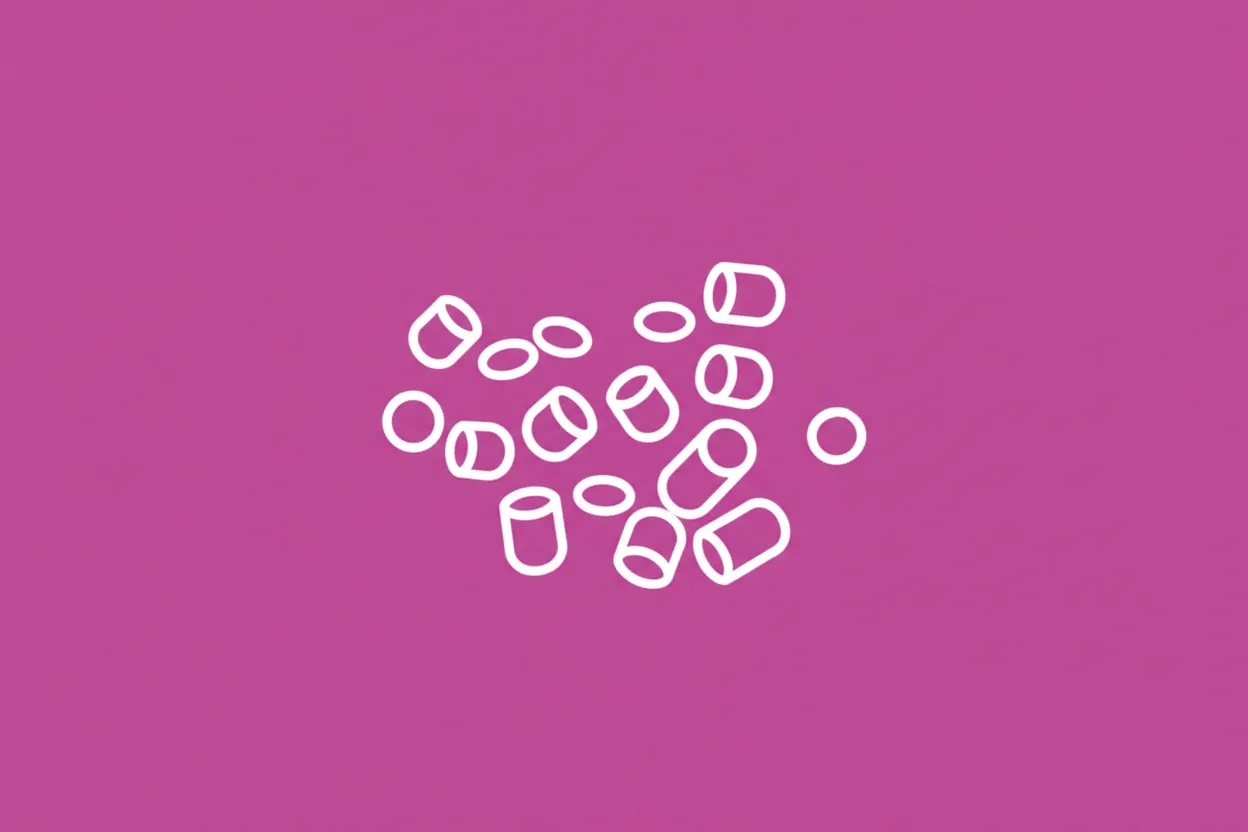
Think of regranulate like puzzle pieces made from recycled plastic, neatly shaped so they fit perfectly into new products. These small pellets come from used plastic that’s been cleaned, melted, and formed into consistent granules.
It’s like turning a messy pile of LEGO bricks into uniform blocks ready to build something fresh. Regranulate helps factories reuse plastic smoothly, cutting waste and saving resources.
Just like reusing building blocks keeps your playroom tidy and fun, regranulate keeps plastics circulating in the economy longer. This supports recycling, reduces pollution, and helps protect the planet.
Definition: regranulate
Regranulate is recycled plastic that’s been cleaned, melted, and shaped into small pellets called granules. These pellets make it easier to reuse plastic by melting them down to make new products. This process reduces waste, saves resources, and supports a circular economy.
Regranulate makes it easier to reuse plastic by melting small pellets to make new products. It’s recycled plastic cleaned, melted, and shaped into pellets.
Think about how your plastic bottle is collected, cleaned, then shredded into tiny pieces. These pieces are melted and formed into uniform pellets—regranulate—that factories use to create new plastic items, making recycling smooth and efficient.
How recycled plastic pellets shape Europe's circular economy
What happens to plastic waste after we toss it out? Instead of ending up in landfills, some plastics are transformed into small pellets called regranulate. This process gives old plastics a new life and supports sustainable manufacturing.
Since the early 2000s, companies like Hirschmann Automotive have led the way by turning production scrap into reusable pellets. These pellets mix with virgin materials to create new products, reducing the need for fresh plastic. Platforms such as Plastship launched in 2019 help connect sellers and buyers of recycled plastics, making reuse easier and more efficient. More recently, innovations like the Circular Biocarbon biorefinery in Spain show how organic waste can also be converted into valuable materials, expanding circular economy efforts.
Turning waste into regranulate lowers environmental impact and cuts down reliance on raw materials. It’s a smart way to keep plastics in use longer, benefiting both businesses and the planet.
Regranulate plays a key role in building a sustainable future by closing the loop on plastic waste.
3 examples on how recycled plastics are used in new products
Here are some practical ways recycled plastics become valuable again:
- Packaging materials: Plastic waste is turned into new packaging, helping reduce the need for virgin plastic. This supports circularity by keeping materials in use longer.
- Construction components: Recycled plastic is reshaped into items like pipes or insulation, lowering environmental impact compared to new materials.
- Consumer goods: Everyday products such as toys, furniture, or containers often contain recycled plastic, showing effective reuse within product design.
While recycled plastics bring many benefits, they don’t always match the strength or clarity of new plastics. This means some products still require virgin material to ensure quality and safety.
Terms related to processing recycled plastics
Recycled plastics play a crucial role in reducing waste and supporting sustainable manufacturing practices.
| Term | Description |
|---|---|
| Pelletizing | The process of forming small plastic pellets from recycled material for easier handling and reuse. |
| Extrusion | Melting and shaping plastic into continuous forms, often used for producing recycled plastic sheets or strands. |
| Mechanical recycling | A method of recycling where plastic waste is cleaned, melted, and remolded without changing its chemical structure. |
| Secondary raw materials | Materials recovered from waste that can be reused in manufacturing, reducing the need for virgin resources. |
| Closed-loop recycling | A system where materials are recycled back into the same product, minimizing waste and resource use. |
| Waste sorting | Separating different types of plastic to improve recycling efficiency and product quality. |
| Injection molding | A manufacturing process where melted plastic is injected into molds to create new products, often using recycled pellets. |
Frequently asked questions on regranulate
Regranulate plays a key role in making plastics more sustainable and circular. Here are some common questions answered simply.
What is regranulate in plastic recycling?
Regranulate is recycled plastic that’s been cleaned, melted, and formed into small pellets. These pellets can be used like new plastic to make products again, reducing waste and saving resources.
How does regranulate support a circular economy?
Regranulate helps keep plastic materials in use longer by turning waste into valuable raw materials. This reduces the need for new plastic, cutting pollution and conserving natural resources.
What role does regranulate play in sustainable manufacturing?
By using regranulate, manufacturers lower their environmental footprint. It reduces energy use and greenhouse gas emissions compared to making plastic from scratch, promoting greener production.
How is regranulate involved in waste management?
Regranulate is a product of effective waste management. Collecting and processing plastic waste into regranulate diverts it from landfills or incineration into useful materials.
Can regranulate be used in injection molding?
Yes! Regranulate pellets can be melted and shaped through injection molding to create new plastic parts, making it easier to recycle plastics into high-quality products.
What is the environmental impact reduction from using regranulate?
Using regranulate cuts down on plastic waste and lowers carbon emissions by avoiding the extraction and processing of new raw materials, helping protect ecosystems and fight climate change.
How does regranulate relate to secondary raw materials?
Regranulate is a type of secondary raw material—meaning it’s made from recycled waste instead of virgin resources. It helps close the loop in material use.
What challenges exist in polymer processing with regranulate?
Processing regranulate can be tricky due to variations in quality or contamination. Ensuring clean, consistent pellets is key to making good products with recycled plastic.
How does material recovery impact regranulate production?
Effective material recovery systems ensure more plastic waste is collected and sorted properly, which improves the quality and quantity of regranulate available for reuse.
