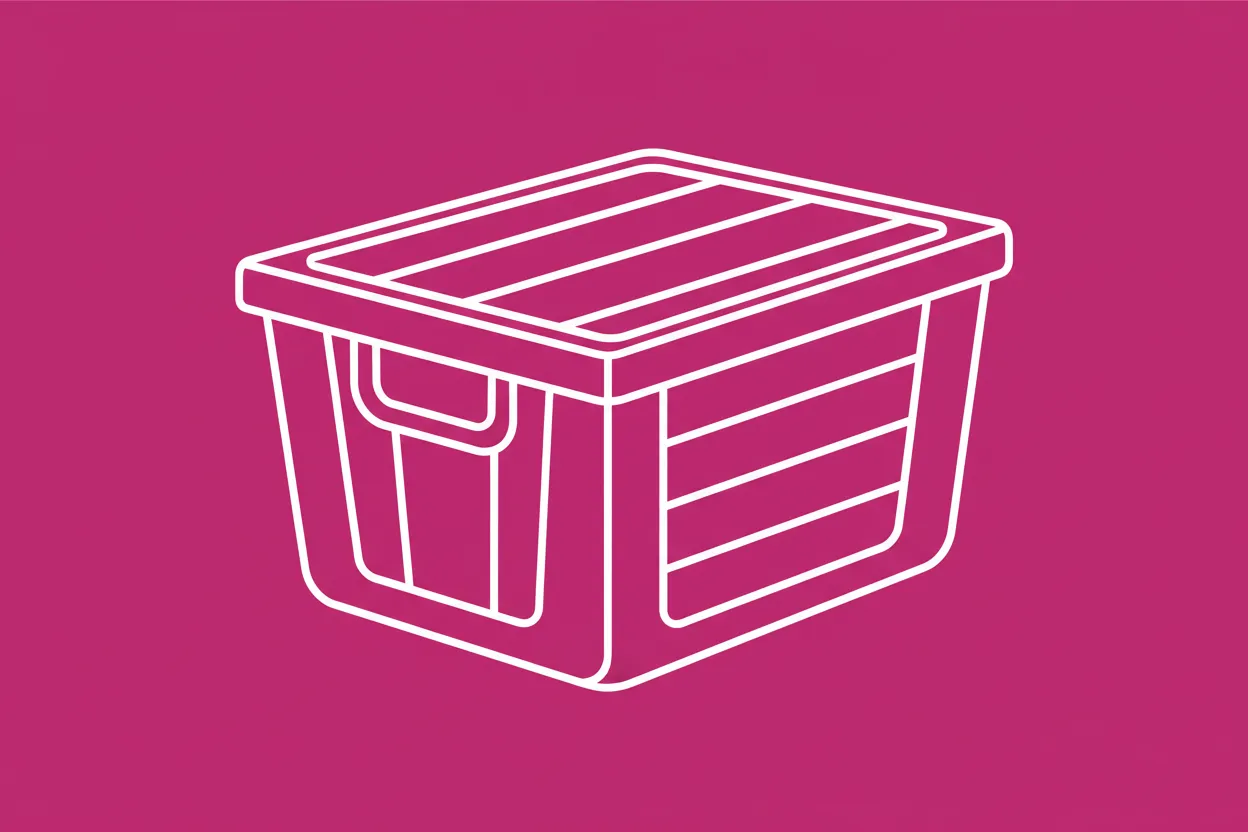
Returnable transit packaging helps cut waste by using containers that come back, get cleaned, and can be reused many times for moving goods. This smart approach saves materials and protects products during shipping.
By keeping packaging in use instead of tossing it after one trip, businesses save resources and reduce pollution. It’s a key part of a circular economy where materials stay in circulation longer.
This method also saves money over time and reduces trash in homes and communities. Have you noticed reusable crates or pallets in stores or deliveries? They’re part of this growing shift toward sustainability.
Definition: returnable transit packaging (RTP)
Returnable transit packaging (RTP) uses strong containers designed to be sent back, cleaned, and reused multiple times for transporting goods. This approach cuts down on single-use packaging waste by keeping materials in circulation, saving resources, and protecting products during shipping.
RTP helps reduce waste by reusing packaging materials many times. It uses containers that are returned, cleaned, and reused to transport goods.
Think about the plastic crates supermarkets use to deliver fruits. After unloading, these crates are returned to suppliers, cleaned, and filled again. This cycle saves resources and reduces trash compared to throwing away cardboard boxes after one use.
How did reusable packaging reshape European supply chains?
What sparked the move away from single-use packaging in Europe? Growing concerns about waste and resource use pushed industries to find smarter ways to transport goods. This shift aimed to cut down packaging waste and boost supply chain efficiency.
Back then, companies like Schoeller Allibert led the way, designing durable crates, trays, and pallets meant to be used over and over. In the 1990s, systems like Sweden’s Svenska Retursystem showed how returning and cleaning these containers could lower CO₂ emissions and food waste. Later, groups like Bepco and the RCTP expanded the idea across Europe, making reusable transit packaging a key part of circular economy efforts.
This evolution has helped reduce environmental impact while saving costs and resources. Reusable packaging isn't just better for the planet; it also strengthens how products move from producers to consumers.
By embracing returnable transit packaging, Europe set a powerful example for sustainability in logistics. It shows how smart design and cooperation can turn waste into valuable resources.
6 examples on reusable packaging solutions
Here are some practical examples that show how companies cut waste and save resources with reusable packaging:
- Plastic pallets: These sturdy pallets can be used many times, reducing the need for single-use wooden pallets. They're easy to clean and transport, making shipping more efficient.
- Collapsible containers: Designed to fold flat when empty, these containers save space during return trips. This feature helps lower transportation emissions and costs.
- Metal crates: Durable and long-lasting, metal crates withstand heavy loads and rough handling. They are ideal for repeated use in industrial supply chains.
- Bulk bins: Large bins made from tough materials allow for transporting goods in bulk without extra packaging. They minimize waste and simplify handling.
- Reusable totes: Often made of fabric or plastic, totes replace disposable bags in retail and delivery. Their repeated use helps reduce plastic waste.
- Stackable trays: These trays stack securely to prevent damage and optimize space in trucks. Their design supports multiple uses over time.
Single-use packaging is convenient but creates a lot of waste, while reusable options require upfront investment and logistics. However, the long-term benefits to the environment and cost savings often outweigh the challenges.
Terms related to sustainable transit solutions
Many companies are shifting to eco-friendly packaging to reduce waste and boost supply chain efficiency.
| Term | Description |
|---|---|
| Circular economy | An approach where materials are reused and recycled to minimize waste and resource use. |
| Reusable packaging systems | Packaging designed to be used multiple times, cutting down on single-use waste. |
| Supply chain efficiency | Optimizing the movement and storage of goods to reduce costs and environmental impact. |
| Waste reduction | Strategies aimed at lowering the amount of waste generated during production and delivery. |
| Materials reuse | Using materials again in their original form to extend their life and save resources. |
| Environmental impact | The effect packaging has on nature, including pollution and resource depletion. |
| Packaging design for sustainability | Creating packaging that balances function with environmental responsibility. |
Frequently asked questions on returnable transit packaging
Returnable transit packaging helps businesses reduce waste and improve sustainability by using durable, reusable containers for shipping goods.
What is the role of returnable transit packaging in the circular economy?
Returnable transit packaging supports the circular economy by keeping materials in use longer, reducing the need for single-use packaging and lowering waste.
How does returnable transit packaging contribute to sustainable packaging?
It offers a sustainable alternative by being durable and reusable, which cuts down on waste and the demand for new raw materials in packaging.
Can returnable transit packaging improve logistics and supply chain management?
Yes, it streamlines operations with standardized, durable containers that protect goods and reduce damage, leading to fewer delays and lower costs.
How do reusable packaging systems work with returnable transit packaging?
Reusable packaging systems use returnable transit packaging that cycles between users and suppliers, ensuring repeated use instead of disposal after one trip.
In what ways does returnable transit packaging help with waste reduction?
By replacing disposable packaging, it cuts down on packaging waste sent to landfills or incinerators, supporting waste reduction goals.
How is materials reuse linked to returnable transit packaging?
These packages are made from materials designed for multiple uses, allowing the same packaging to be cleaned, repaired, and reused many times.
What environmental impact does returnable transit packaging have?
It reduces environmental footprint by lowering resource extraction, manufacturing emissions, and waste generation compared to single-use packaging.
How does returnable transit packaging affect supply chain efficiency?
Returnable packaging enhances efficiency by simplifying handling, storage, and transport, which can increase speed and reduce costs throughout the supply chain.
