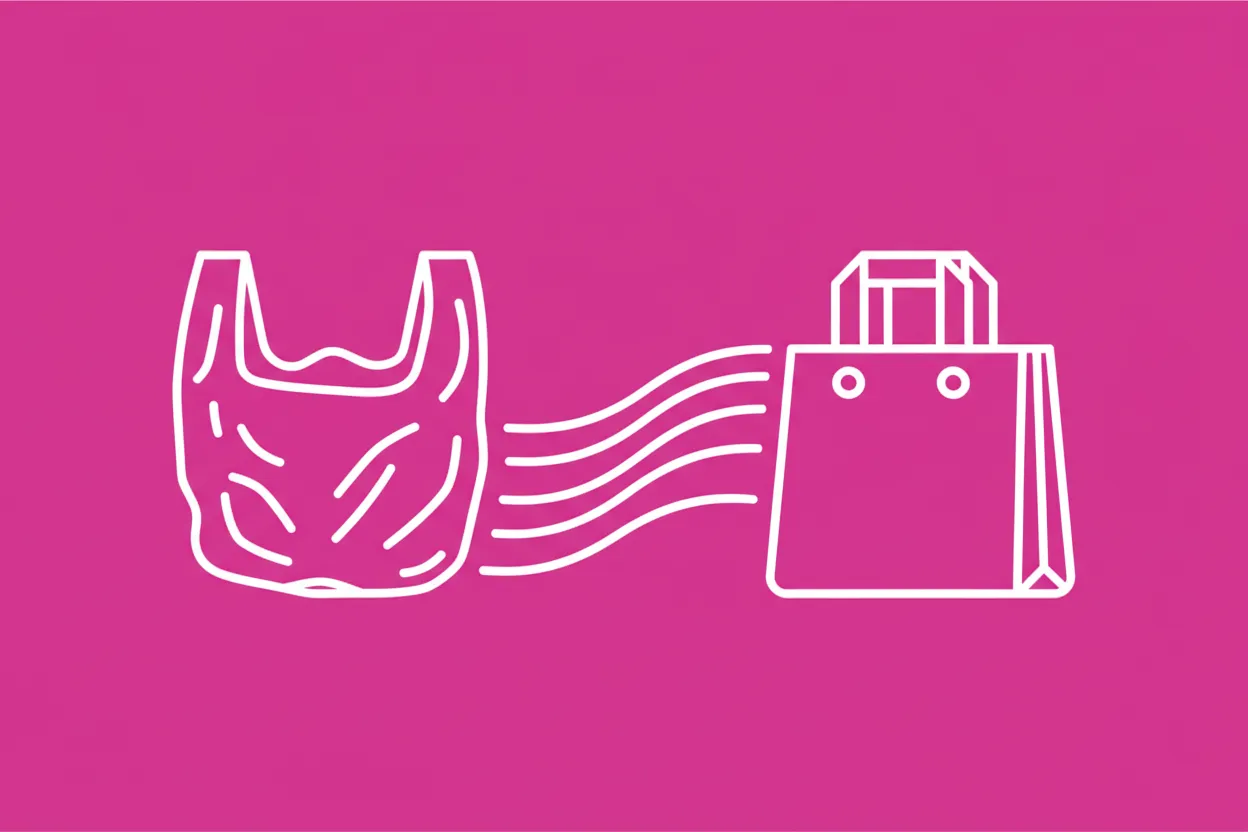
More than 18 million tons of low-density polyethylene (LDPE) waste is generated worldwide each year, much of which can be recycled into rLDPE (recycled LDPE). This recycled plastic helps keep used materials out of landfills by turning them back into useful products.
Recycling LDPE into rLDPE saves natural resources and reduces pollution because it uses less energy than making new plastic from oil or gas. Thanks to improved recycling methods, rLDPE can now be used in many everyday items without losing strength or quality.
Countries across Europe are investing in better collection and sorting systems to increase rLDPE production. This supports a circular economy by giving plastic waste a second life and reducing the environmental impact of packaging and other plastic goods.
Definition: rLDPE (recycled low-density polyethylene)
rLDPE is low-density polyethylene plastic that has been used before, collected, cleaned, and processed so it can be used again. It comes from items like plastic bags and packaging films. Recycling LDPE into rLDPE helps reduce waste and saves resources by avoiding new plastic production.
Recycling LDPE turns used plastic into rLDPE that can be used again. It reduces waste and saves resources by reprocessing old plastic.
Think about a plastic grocery bag you bring home. Instead of throwing it away, it can be collected, cleaned, and melted down to make new plastic bags or packaging. This keeps plastic out of landfills and helps reduce the need for new plastic made from oil.
How recycled LDPE is transforming packaging waste into new materials
Have you ever wondered what happens to those plastic films and pouches after you toss them away? Many of these used LDPE packaging materials don’t just end up in landfills; they can be turned into valuable recycled LDPE (rLDPE). This process helps reduce waste and supports sustainability efforts.
In Europe, rLDPE comes from both post-consumer and industrial LDPE waste, such as films and beverage cartons. Different recycling methods are used, including mechanical recycling, where plastics are sorted and melted into pellets, and advanced chemical recycling, which breaks down complex materials. These recycled pellets can then be used to make new flexible packaging, reducing the need for virgin plastic.
Countries like Turkey, Spain, and France are leading the way by using modern sorting technologies and incentives that encourage better waste separation. This helps produce rLDPE with high purity, making it suitable for food and non-food packaging. Investments in recycling facilities across Europe are growing to meet the rising demand for recycled materials.
Recycled LDPE supports a circular economy by turning plastic waste into a valuable resource. It’s a positive step toward reducing environmental impact and promoting responsible packaging.
4 examples on how recycled plastic is used in everyday products
Recycled plastic can be transformed into various useful items that you encounter daily. These examples show how waste materials become valuable resources:
- Packaging films: Used to create flexible packaging materials that are lightweight and durable. This helps reduce the need for new plastic production and lowers environmental impact.
- Trash bags: Made from recycled plastic to provide strong and reliable waste collection solutions. Using recycled content supports circular waste management.
- Agricultural films: Produce protective covers for crops that help conserve water and reduce chemical use. Repurposing plastic waste here promotes sustainable farming.
- Flooring materials: Recycled plastic is processed into resilient floor tiles and mats. These products extend plastic’s life and reduce landfill volume.
New plastic often comes from fossil fuels, which contributes to pollution and resource depletion. Using recycled plastic instead saves energy and cuts down greenhouse gas emissions, making a clear difference in protecting our planet.
Terms related to recycled low-density polyethylene
Recycling plastic films helps reduce waste and supports a more circular economy by turning used materials into new products.
- Mechanical recycling: A process that cleans and melts plastic waste to create new plastic items without changing the chemical structure.
- Polymer sorting: Separating different types of plastics to improve recycling quality and efficiency.
- Additives: Substances added to recycled plastics to enhance durability, flexibility, or color.
- Plastic film recycling: The recovery and reuse of thin plastic sheets, often used in packaging.
- Waste management: Systems and methods used to collect, process, and recycle plastic waste responsibly.
- Circular economy: An approach that keeps materials in use longer by recycling and reusing them to minimize waste.
- Contamination: Non-plastic or different plastic types mixed in recycling streams that can reduce recycled plastic quality.
- Sustainable packaging: Packaging designed to reduce environmental impact through recyclability and use of recycled materials.
- Polymer degradation: The breakdown of plastic properties during recycling, affecting the quality of the recycled product.
Frequently asked questions about rLDPE (recycled LDPE)
Here are some common questions and clear answers about recycled low-density polyethylene (rLDPE).
What is mechanical recycling of plastics?
Mechanical recycling melts and reshapes plastic waste like rLDPE without changing its chemical structure. It helps turn used plastic films into new products, saving energy and reducing waste.
How does polymer sorting and separation work?
Plastics like LDPE are sorted by type using machines or manual methods. This sorting is crucial because mixed plastics can’t be recycled efficiently, and pure rLDPE needs to be separated for quality recycling.
What role does rLDPE play in the circular economy?
rLDPE supports a circular economy by being reused in new products instead of ending up in landfills. This keeps materials cycling, reduces resource use, and lowers environmental impact.
How is plastic film recycled?
Plastic films, often made from LDPE, are collected, cleaned, and mechanically recycled into pellets. These pellets can then be used to make items like bags, packaging, or liners.
What additives are used in recycled plastics?
Additives in rLDPE improve properties like flexibility, durability, or UV resistance. They help recycled plastics perform well in new products but must be safe and not harm recyclability.
What are the environmental impacts of plastics?
Plastics like LDPE can harm ecosystems if not managed well, causing pollution and greenhouse gas emissions. Recycling rLDPE reduces these impacts by saving resources and cutting waste.
Why is plastic waste management important for rLDPE?
Effective plastic waste management collects and processes LDPE waste so it can be recycled into rLDPE. Good systems reduce litter, save energy, and support sustainable material use.
