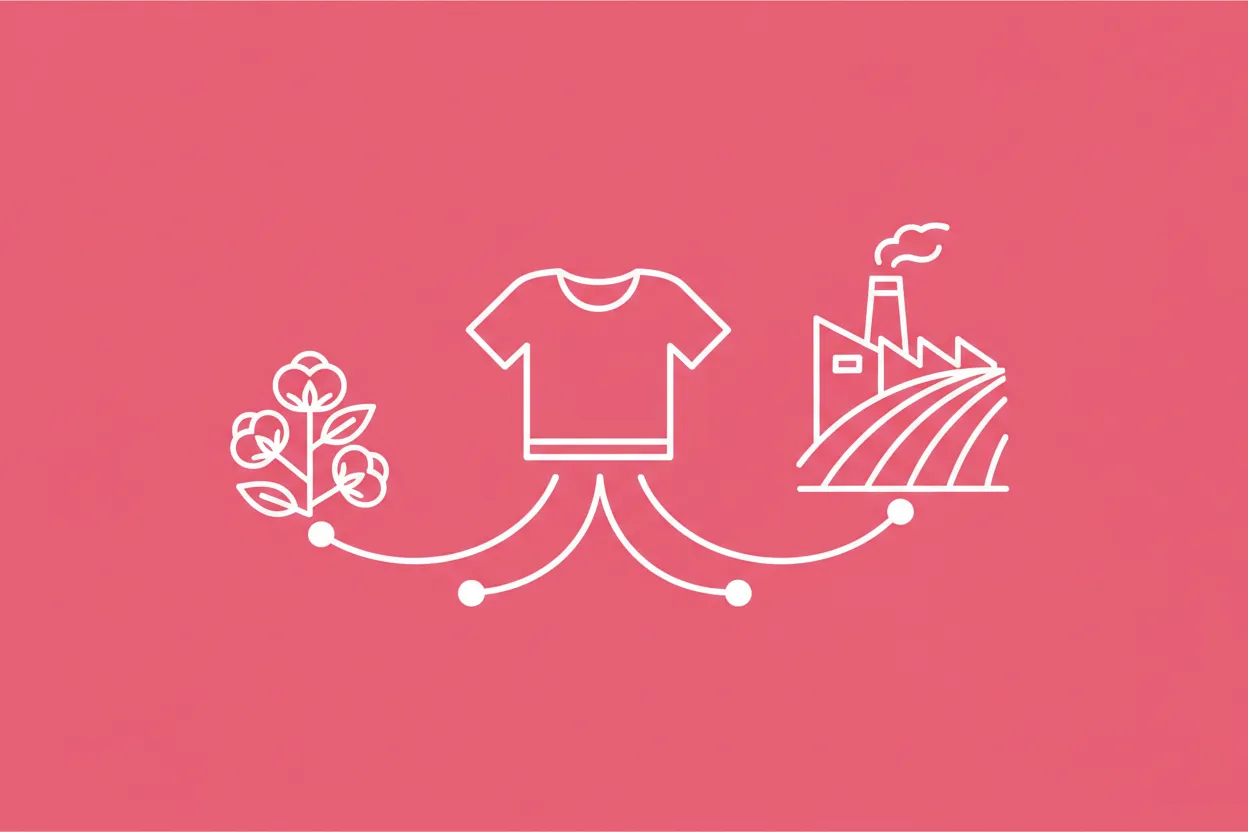
Think about buying a shirt and wondering if the cotton was grown fairly without hurting the environment or workers. That’s where Supply Chain Due Diligence comes in—it’s a thorough check companies do to make sure every step of making a product is responsible and sustainable.
When a business digs deep into its supply chain, it’s like doing a safety check for people and the planet. For example, a brand might visit farms or factories to spot risks like pollution or unfair wages and then work to fix them or choose better suppliers. This careful process helps companies follow laws and build trust with customers who want ethical products.
Definition: supply chain due diligence
Supply Chain Due Diligence is the process companies use to check every step of their product’s journey, ensuring it’s made responsibly and sustainably. It helps avoid harm to people, the environment, and society by spotting risks like unsafe work or pollution and fixing them before products reach customers.
Supply Chain Due Diligence spots risks like unsafe work or pollution and fixes them before products reach customers. It checks every step of a product’s journey to ensure responsible and sustainable making.
For example, a clothing brand might check where its cotton comes from to make sure no harmful chemicals were used and workers were treated fairly. This safety check helps the brand avoid problems like pollution or unfair wages while showing customers that it cares about people and the planet.
The evolution of responsible supply chain management
Have you ever wondered how companies make sure their products don’t harm people or the planet? Over time, businesses have started checking their supply chains more carefully to avoid supporting unethical practices. Supply chain due diligence is about taking responsibility for every step in making and delivering products.
Back in the early 2000s, the focus was on stopping conflict minerals from funding violence. The EU’s Conflict Minerals Regulation, introduced in 2017, was a big milestone requiring companies to verify minerals like tin and gold were sourced responsibly. Later, the Corporate Sustainability Due Diligence Directive expanded this idea, asking companies to address a wider range of human rights and environmental issues throughout their supply chains.
Germany took a strong step with its Supply Chain Act in 2023, making companies legally responsible for monitoring risks and reporting their efforts. These laws show how important it is for businesses to be transparent and ethical, helping protect people and nature around the world.
Getting businesses to care about their supply chains creates better products and a healthier planet for all of us.
4 examples on ensuring ethical and sustainable sourcing
Companies often take steps to make sure their products come from responsible and transparent sources. These actions help protect people and the environment while supporting better business practices:
- Supplier audits: Regular checks to verify that suppliers follow environmental and labor standards. This helps catch issues early and encourages improvements.
- Traceability systems: Tracking materials from origin to finished product to confirm ethical sourcing. This builds trust and accountability throughout the supply chain.
- Certifications: Using recognized labels like Fair Trade or FSC to guarantee compliance with sustainability criteria. These marks guide consumers toward responsible choices.
- Stakeholder engagement: Collaborating with workers, communities, and NGOs to address risks and improve conditions. This creates a more inclusive and transparent supply process.
While some companies excel at monitoring their supply chains, others struggle due to complex networks and limited resources. The difference often lies in commitment and the tools available to uncover hidden risks.
Terms related to supply chain responsibility
Many companies now focus on ensuring their products come from ethical and sustainable sources to meet environmental and social standards.
| Term | Description |
|---|---|
| Responsible sourcing | Choosing suppliers who follow ethical, environmental, and social standards. |
| Risk management | Identifying and addressing potential problems in supply chains to avoid harm or disruption. |
| Environmental compliance | Meeting laws and regulations that protect the environment during production and sourcing. |
| Social compliance | Ensuring workers’ rights and safe working conditions are respected in the supply chain. |
| Corporate social responsibility (CSR) | Company efforts to operate in socially responsible and sustainable ways. |
| Ethical sourcing | Selecting materials and products that are made without harm to people or the planet. |
| Traceability | Ability to track the origin and journey of a product through the supply chain. |
| Transparency in supply chains | Openness about sourcing practices and supply chain operations to build trust. |
| Conflict minerals regulation | Rules that prevent the use of minerals sourced from areas of conflict or human rights abuse. |
| Supplier audits | Inspections and evaluations to check suppliers’ compliance with ethical and legal standards. |
Frequently asked questions on supply chain due diligence
Here are key questions people often ask to better grasp supply chain due diligence and its role in sustainability.
What is responsible sourcing?
Responsible sourcing means choosing materials and products from suppliers who follow ethical, social, and environmental standards, helping reduce negative impacts and support fair practices.
How does risk management relate to supply chain due diligence?
Risk management involves identifying and addressing potential problems in the supply chain, like environmental harm or unethical labor, to ensure products are made responsibly.
What is environmental compliance in supply chains?
Environmental compliance means following laws and rules that protect the environment during production, like reducing pollution and managing waste responsibly.
Why is social compliance important in supply chains?
Social compliance ensures workers have safe conditions, fair pay, and no exploitation, which supports human rights and better community wellbeing.
How does corporate social responsibility (CSR) connect to supply chains?
CSR is a company’s commitment to act ethically and sustainably, including making sure its supply chain respects environmental and social standards.
What does ethical sourcing involve?
Ethical sourcing means obtaining products in ways that respect people and the planet, avoiding harm like child labor or environmental damage.
Why is traceability crucial in supply chains?
Traceability lets companies track materials from origin to final product, which helps verify responsible practices and supports transparency.
What is the conflict minerals regulation?
This regulation requires companies to report if their products contain minerals from conflict zones, preventing funding of violence and promoting ethical sourcing.
