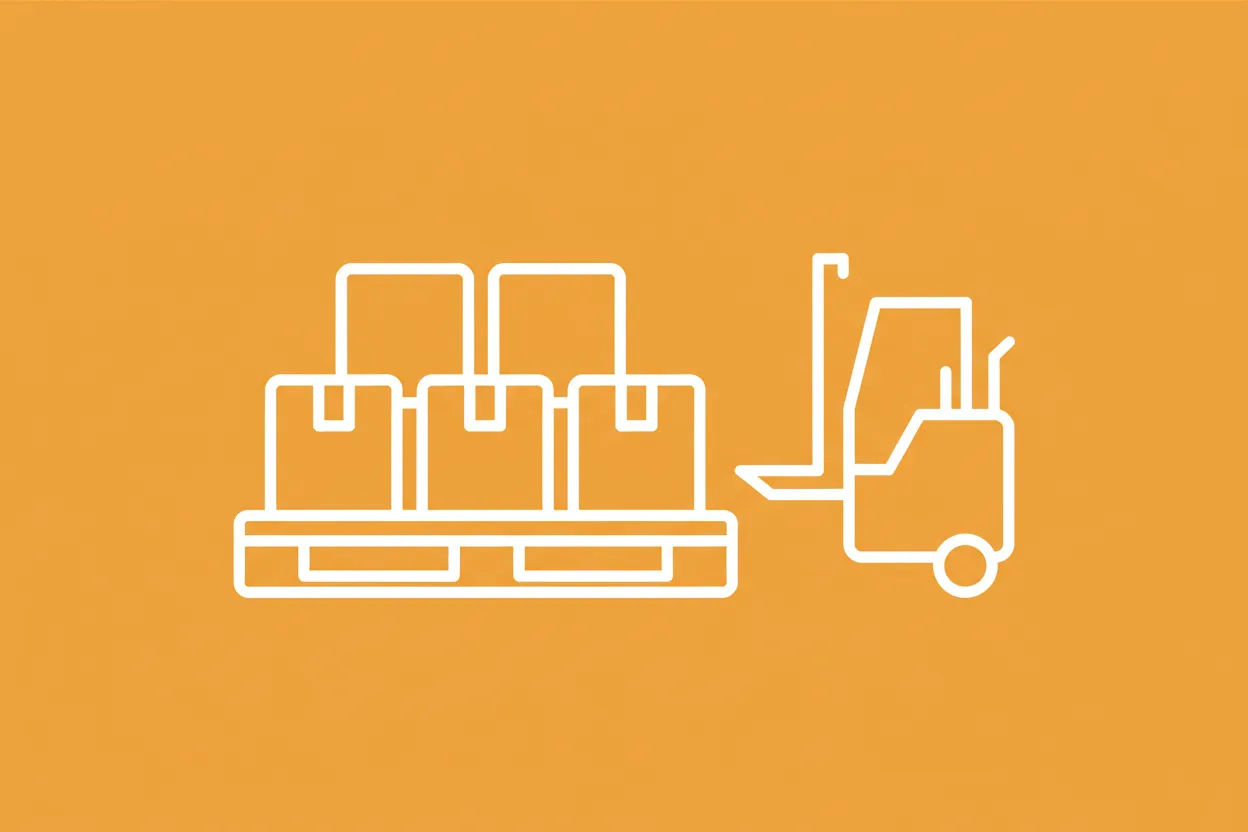
Think of tertiary packaging (transport packaging) like the sturdy backpack that holds and protects smaller bags when you’re carrying many things at once. It’s the strong outer layer that keeps products safe as they travel from factories to stores or warehouses.
Just like a backpack organizes and secures your items during a long walk or trip, tertiary packaging groups smaller packages together with big boxes, pallets, or shrink wrap. This makes moving goods easier and protects them from damage along the way.
Using the right tertiary packaging is like choosing a backpack made from durable, eco-friendly materials—it helps reduce waste and supports recycling. By reusing or recycling these protective layers, companies help the planet while keeping products safe and delivery efficient.
Definition: tertiary packaging (transport packaging)
Tertiary packaging, also called transport packaging, is the strong outer layer used to protect products when they are moved from one place to another. It keeps items safe during shipping and handling by grouping smaller packages together with materials like big boxes, pallets, or shrink wrap.
Tertiary packaging groups smaller packages together with strong materials like pallets or big boxes. It keeps products safe during shipping and handling.
Think about when you buy a pack of soda cans. The cardboard or plastic wrap holding all those cans together is tertiary packaging. It’s what keeps everything secure and undamaged while being moved from the warehouse to the store shelf.
The changing journey of transport packaging through time
Have you ever wondered how the boxes and pallets that carry your goods came to be? Transport packaging, also called tertiary packaging, has a big job protecting products while they travel from factories to stores. It’s a key part of moving things smoothly and safely.
Long ago, heavy wooden crates and metal barrels were the go-to for shipping. These materials were strong but bulky, making transport slower and less efficient. Then, plastics entered the scene, bringing lighter and more flexible options that helped cut costs and improve handling. Over time, packaging sizes became standardized, and machines took over many packing tasks, speeding up production.
Recently, environmental concerns have reshaped how tertiary packaging is designed. Laws encourage recycling and reusing materials, pushing companies to create greener solutions. New tech like RFID tags and smart sensors now help track shipments and manage inventory more precisely.
The future of transport packaging looks bright, focusing on smart, sustainable designs that protect products and the planet. This evolution shows how packaging adapts to meet our changing world.
6 examples on protecting products during shipping
Here are some common ways products are kept safe and secure while moving from one place to another:
- Corrugated cardboard boxes: These are sturdy and lightweight containers made from layered paperboard. They offer excellent cushioning and protection for goods during transport.
- Pallets: Flat platforms, often made of wood or plastic, that group and support multiple packages. They make handling and stacking easier, reducing damage risk.
- Shrink wrap: A plastic film tightly wrapped around products or pallets. It provides stability and moisture resistance throughout the shipping process.
- Strapping bands: Strong plastic or metal bands used to hold packages together. They ensure items stay securely bound during handling and transit.
- Foam inserts: Custom-shaped foam pieces placed inside boxes to absorb shocks. These offer extra protection for fragile items by reducing movement.
- Edge protectors: Cardboard or plastic guards placed on box corners. They prevent crushing and corner damage from stacking pressure.
While some transport materials focus on strength and protection, others aim to reduce waste or improve recyclability. Choosing the right option depends on the product’s fragility and the sustainability goals of the company.
Terms related to transport packaging concepts
Transport packaging plays a key role in protecting products during shipping and helps reduce waste by supporting recycling and reuse.
- Primary packaging: The first layer that directly holds the product, like a soda can or candy wrapper.
- Secondary packaging: The outer layer that groups primary packages, such as a cardboard box holding multiple cans.
- Packaging materials: The substances used to make packaging, including cardboard, plastic, and metal, chosen for strength and recyclability.
- Supply chain logistics: The planning and movement of goods from production to delivery, ensuring packaging fits transport requirements.
- Recycling and waste management: Processes that turn used packaging into new materials, reducing landfill and supporting circular economy goals.
- Packaging design for sustainability: Creating packaging that minimizes resource use, is easy to recycle, and reduces environmental impact.
Frequently asked questions on tertiary packaging (transport packaging)
Tertiary packaging plays a key role in protecting products and supporting sustainability throughout the supply chain. Here are answers to common questions.
What is primary packaging?
Primary packaging is the layer that directly holds the product, like a bottle or wrapper. Tertiary packaging sits outside this, focusing on bulk transport and protection during shipping.
How does secondary packaging differ from tertiary packaging?
Secondary packaging groups primary packages together, like a box holding several bottles. Tertiary packaging is the outermost layer, used mainly to secure and move these grouped boxes safely.
What materials are commonly used for tertiary packaging?
Tertiary packaging often uses strong materials like corrugated cardboard, plastic stretch wrap, or wooden pallets. These materials help protect goods and are chosen for their durability and recyclability.
How does tertiary packaging affect supply chain logistics?
Good tertiary packaging improves handling efficiency, reduces damage, and optimizes space in storage and transport. This leads to smoother logistics and lower environmental impact.
What role does packaging design play in sustainability?
Designing tertiary packaging with sustainability in mind means using less material, choosing recyclable or reusable options, and making packages easy to separate for recycling.
How is tertiary packaging managed in recycling and waste systems?
Tertiary packaging is typically collected separately and recycled through industrial programs. Using recyclable materials helps reduce waste and supports circular economy goals.
Are there regulations that affect tertiary packaging?
Yes, many countries have rules on packaging waste, material use, and recyclability. These regulations encourage producers to take responsibility for the environmental impact of their packaging.
How does tertiary packaging improve transport and distribution efficiency?
By securely stacking and protecting goods, tertiary packaging minimizes damage and space wasted during transport. This efficiency lowers costs and carbon emissions.
What is the connection between tertiary packaging and the circular economy?
Tertiary packaging designed for reuse or easy recycling helps keep materials in use longer, reducing waste and the need for new resources. This supports a circular economy approach.
