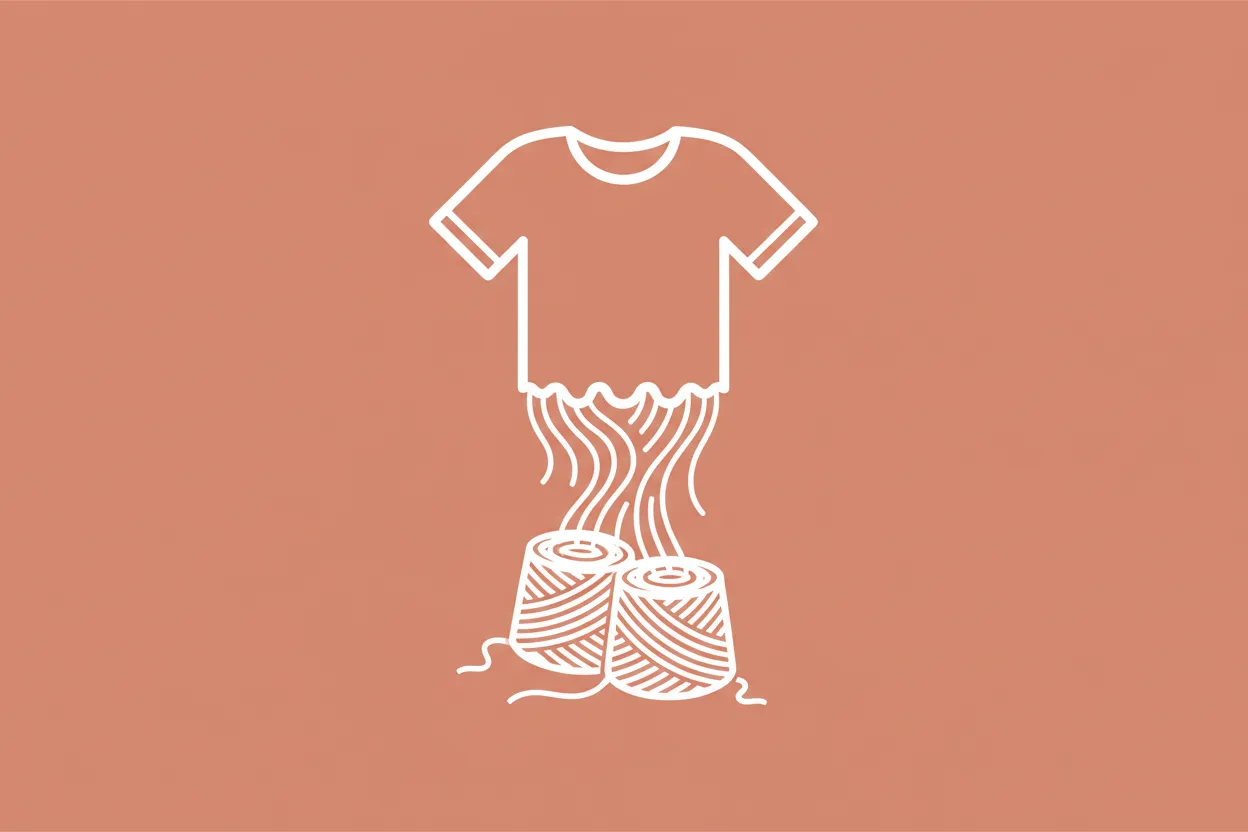
Picture sorting through a pile of old clothes and wondering if they could have a second life instead of heading to the trash. Textile recycling steps in here by turning worn-out fabrics into useful new materials, cutting down on waste and protecting our planet.
Think about a cotton shirt you no longer wear—it doesn’t have to become landfill. By recycling textiles, that shirt’s fibers can be transformed into insulation for homes or even new yarn, keeping precious resources in use and out of waste piles.
Now imagine a world where your old clothes don’t just clutter your closet but help save water and energy by reducing the need for new textile production. Textile recycling supports this by recovering fabrics and reprocessing them, making fashion more sustainable and helping the environment.
Definition: textile recycling
Textile recycling recovers old clothes, fabrics, and textile materials to make new products instead of discarding them. It reduces waste, conserves resources, and lowers the environmental impact linked to producing new textiles.
Textile recycling lowers the environmental impact linked to producing new textiles. It recovers old clothes and fabrics to make new products instead of discarding them.
For example, instead of throwing out worn-out cotton shirts, textile recycling processes them into fibers that can become insulation or new yarn. This keeps valuable materials in use and keeps them out of landfills.
How textile recycling shaped Europe’s sustainable fashion journey
Ever wondered how old clothes get a new life? Textile recycling has been around for centuries, turning fabric waste into fresh materials. This process helps reduce waste and supports a circular economy in the fashion world.
Back in the 19th century, recycling wool by shredding old fabrics became popular during the industrial revolution. Over time, companies emerged to collect and recycle textiles more efficiently. Today, innovations like Econyl turn discarded materials into high-quality yarns, showing how far textile recycling has come in Europe.
Even with these advances, Europe still produces a huge amount of textile waste each year. Only a tiny fraction gets recycled into new clothes, highlighting the need for better systems and consumer awareness. New EU policies aim to change this by making textiles more sustainable and recyclable by 2030.
Textile recycling is key to reducing fashion's environmental footprint. It’s a powerful way to keep materials in use longer and support a greener future.
5 examples on how materials get a second life
Here are some ways old clothes and fabrics find new purposes in creative and useful forms:
- Fiber regeneration: Old garments are broken down into fibers to create new yarns. This process helps reduce waste by turning scraps into fresh textile material.
- Upcycled fashion: Designers transform used clothes into stylish new pieces. This extends the product’s life and lowers demand for new resources.
- Industrial rags: Worn-out textiles are repurposed into cleaning cloths for factories and workshops. It’s a practical reuse that keeps fabric out of landfills.
- Insulation material: Some recycled fabrics become thermal insulation for buildings or cars. This gives textiles a functional role beyond their original use.
- Composite materials: Textile waste is mixed with plastics or resins to create strong, lightweight panels. These are useful in construction and automotive industries.
While new textiles continue to flood the market, many discarded fabrics still have valuable uses. Turning them into something new saves resources and energy compared to producing from scratch.
Terms related to textile recycling
More than 92 million tons of textile waste are created globally each year, highlighting the need for better resource management.
| Term | Description |
|---|---|
| Circular Economy | A system where materials are reused, repaired, or recycled to keep them in use longer. |
| Upcycling | Turning old or waste materials into new, higher-value products. |
| Resource Recovery | The process of extracting valuable materials from waste for reuse. |
| Sustainable Materials | Fibers and fabrics made with a lower environmental footprint. |
| Environmental Impact Assessment | Evaluating how a product or process affects the environment before implementing changes. |
Frequently asked questions on textile recycling
Textile recycling plays a big role in reducing waste and supporting a greener future. Here are answers to common questions about this important topic.
What is the role of textile recycling in the circular economy?
Textile recycling helps keep materials in use longer by turning old clothes into new fabrics or products, reducing the need for fresh resources and minimizing waste.
How does textile recycling improve waste management?
It diverts textiles from landfills, lowering pollution and conserving space. Recycling programs make it easier to collect and process unwanted clothing responsibly.
What are some sustainable materials used in textile recycling?
Materials like organic cotton, recycled polyester, and hemp are popular because they require fewer resources and can be recycled or composted more easily.
Can textile recycling support upcycling efforts?
Yes! Upcycling transforms old textiles into new, higher-value items without breaking down fibers, which saves energy and reduces waste.
How does textile recycling contribute to resource recovery?
It recovers valuable fibers and materials from discarded clothes, which can then be reused in manufacturing, saving water, energy, and raw materials.
What environmental benefits come from textile recycling?
Recycling reduces greenhouse gas emissions, lowers water and energy use, and decreases pollution compared to producing new textiles from scratch.
