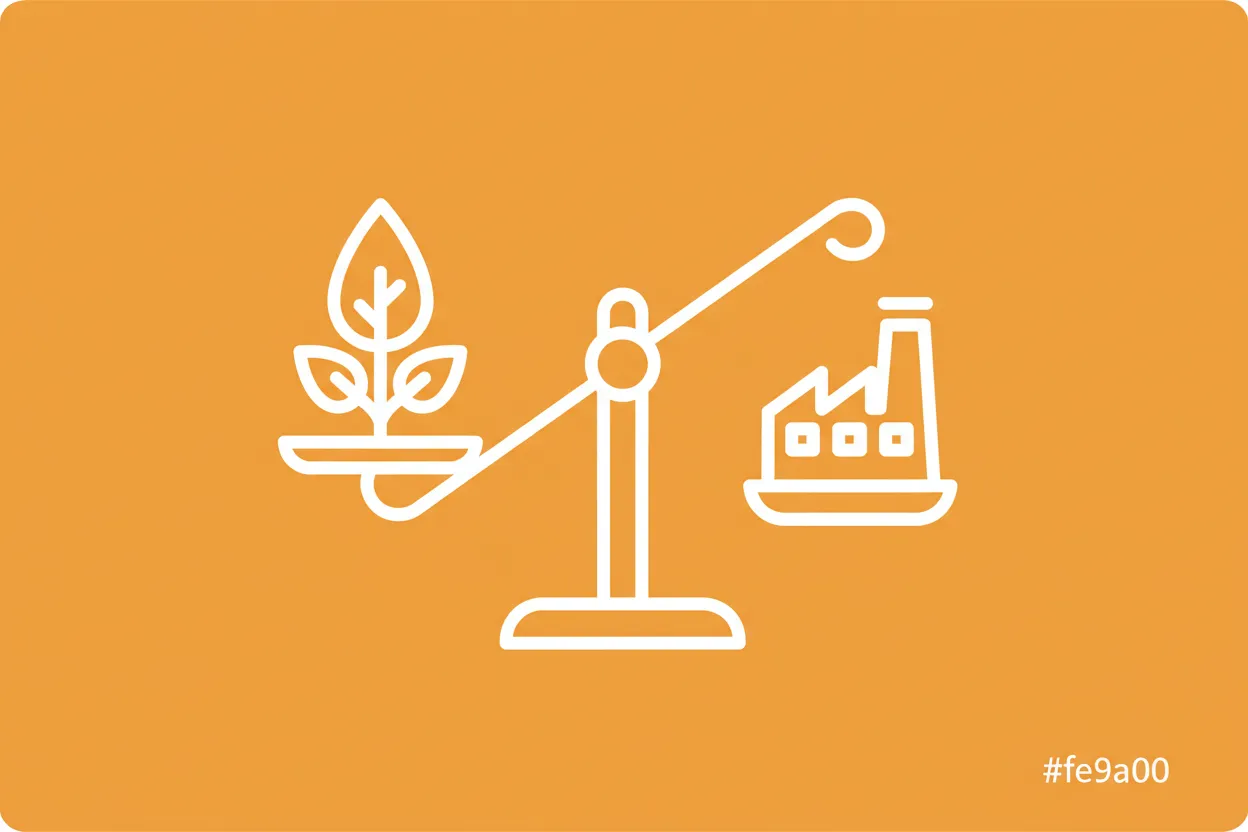
The Bonus/Malus Model is a clever system that links financial rewards and penalties to environmental actions, encouraging companies and individuals to make greener choices. This approach makes it easier and more attractive to act sustainably by turning good behavior into savings and bad behavior into costs.
By rewarding positive steps like recycling more or cutting pollution, and penalizing harmful actions, the model motivates everyone to reduce waste and emissions. It’s a practical way to push businesses and communities toward a cleaner, more circular economy.
Definition: Bonus/malus model
The Bonus/Malus Model is a system that encourages better environmental behavior by giving rewards (bonuses) for positive actions and penalties (maluses) for negative ones. It makes acting sustainably financially rewarding, motivating companies and individuals to reduce waste and pollution.
The Bonus/Malus Model links financial rewards and penalties to environmental actions. It encourages better behavior by making sustainability profitable.
For example, a factory that recycles more waste might get a discount on fees, while one that pollutes more pays extra charges. This makes businesses think twice about their environmental impact and choose cleaner, greener options.
How France started linking car emissions to financial rewards and penalties
Have you ever wondered how governments encourage people to choose cleaner cars? In 2008, France introduced a system that rewards buyers of low-emission vehicles and charges those who pick higher-polluting ones. This was part of a bigger plan to tackle climate change through smarter choices.
This system, known as Bonus/Malus, combines the French words for reward and penalty. It was designed to nudge consumers toward greener cars by giving bonuses for low CO₂ emissions and fines for high emissions. Over time, the rules have evolved to make these incentives stronger and more effective.
Before Bonus/Malus, car taxes focused on engine size, not environmental impact. Switching to this model linked money directly to emissions, encouraging innovation and reducing pollution from transport—a major climate contributor.
This approach has proven so successful that other countries, like Sweden, have adopted similar systems. It shows how thoughtful incentives can drive sustainable change in everyday decisions.
7 examples on incentives and penalties in sustainability programs
Here are some clear examples of how incentives and penalties encourage better environmental choices:
- Deposit return schemes: Consumers pay a small deposit on bottles, refunded when returned. This encourages recycling and reduces litter.
- Pay-as-you-throw waste fees: Households pay based on the amount of trash they produce. This promotes waste reduction and increased recycling.
- Energy efficiency rebates: Buyers receive discounts for energy-saving appliances. This incentivizes lower energy consumption and carbon emissions.
- Plastic bag taxes: Customers pay extra for single-use plastic bags. This discourages plastic waste and encourages reusable bags.
- Landfill taxes: Fees charged on waste sent to landfills. This pushes businesses and individuals toward recycling and composting options.
- Vehicle emission penalties: Higher fees for cars with poor fuel efficiency. This motivates purchase of cleaner vehicles and reduces pollution.
- EPR fee adjustments: Producers pay fees based on product recyclability. This encourages eco-friendly design and better end-of-life management.
Some systems focus more on rewards, others more on fines. Striking the right balance helps make sustainable choices both appealing and practical.
Terms related to incentive-based risk systems
Many industries use financial incentives to encourage better behavior and manage risks effectively.
- Risk assessment: The process of identifying and evaluating potential hazards that could lead to losses or damages.
- Insurance premium calculation: Determining the cost clients pay based on their risk profile and expected claims.
- Behavioral economics: The study of how psychological factors influence economic decisions, especially around risk.
- Incentive mechanisms: Tools or strategies designed to motivate individuals or companies to act in desired ways.
- Claims management: Handling and processing of insurance claims to ensure fair and timely settlements.
- Fraud detection: Identifying and preventing false claims or dishonest behavior to protect the system’s integrity.
Frequently asked questions on the bonus/malus model
The bonus/malus model helps adjust insurance costs based on driver behavior and claims history.
How does the bonus/malus model affect insurance premium calculation?
The model adjusts premiums by rewarding safe drivers with discounts (bonus) and charging higher rates (malus) to those with claims, making insurance fairer and encouraging safer driving.
What role does behavioral economics play in the bonus/malus model?
It helps explain how financial incentives like bonuses and penalties influence driver behavior, encouraging safer habits to avoid higher premiums.
How is risk assessment used in the bonus/malus model?
Risk assessment identifies drivers more likely to file claims, allowing insurers to set premiums that reflect the individual’s risk level within the bonus/malus system.
What incentive mechanisms are involved in the bonus/malus model?
The system uses discounts and surcharges as incentives to promote safer driving and reduce accident rates, benefiting both drivers and insurers.
How does claims management relate to the bonus/malus model?
Efficient claims management ensures accurate tracking of claims history, which directly impacts bonus/malus status and premium adjustments.
What is the connection between actuarial science and the bonus/malus model?
Actuarial science provides the statistical tools to analyze claim data and predict risks, crucial for setting fair bonus/malus rates.
How does fraud detection impact the bonus/malus model?
Detecting fraudulent claims prevents unfair premium increases and maintains the integrity of the bonus/malus system.
In what way does customer segmentation influence the bonus/malus model?
Segmentation helps insurers group drivers by risk profiles, tailoring bonus/malus rates more precisely to different customer types.
How does regulatory compliance affect the bonus/malus model?
Compliance ensures the model meets legal standards, protecting consumers and guaranteeing fair treatment in premium adjustments.
