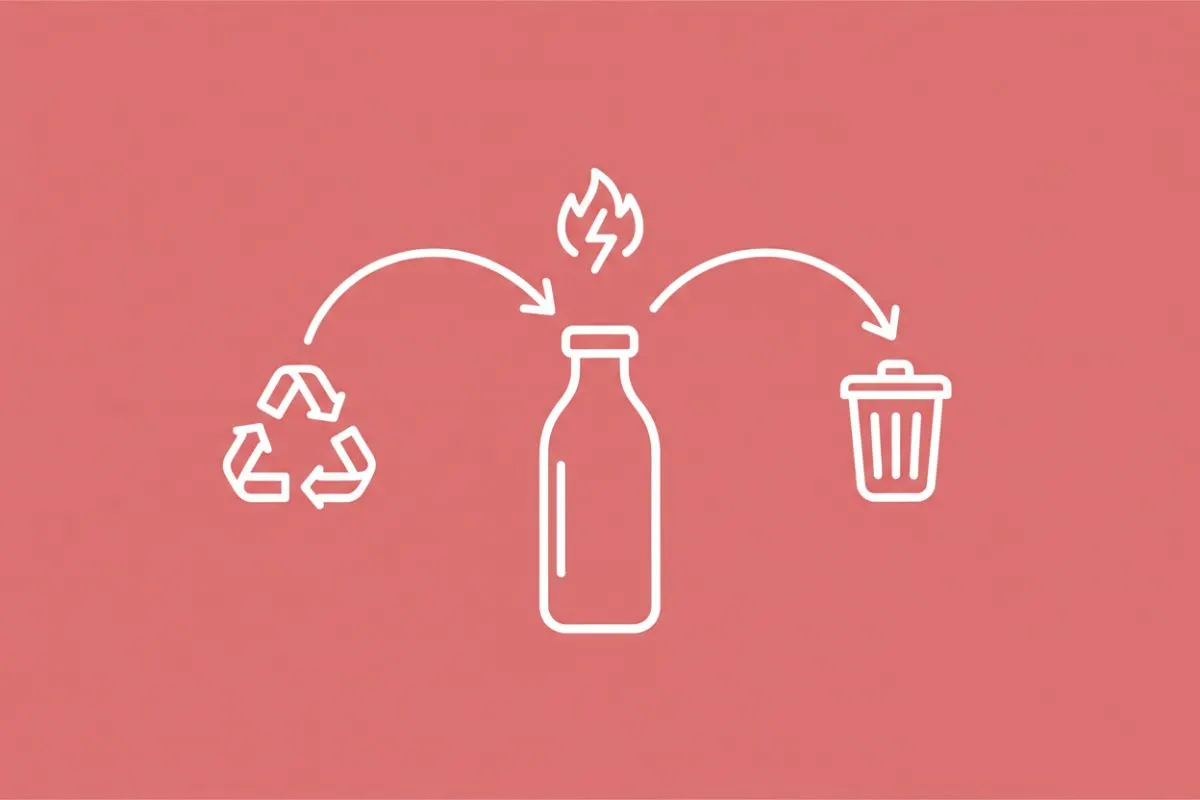
The Circular Footprint Formula (CFF) is a tool developed to measure how recycling, energy recovery, and disposal affect a product’s environmental impact throughout its life cycle. It helps show the balance between the benefits of using recycled materials and the energy needed for recycling processes.
This formula goes beyond just recycling by also considering energy recovery and waste disposal, giving a full picture of a product’s footprint. By using the CFF, companies and policymakers can make smarter decisions that support a circular economy and reduce environmental harm.
With the CFF, we can see clearly how much recycling helps and what costs it brings, encouraging design and production choices that keep materials in use longer while lowering overall impact.
Definition: circular footprint formula (CFF)
The circular footprint formula (CFF) measures the environmental impact of products by looking at recycling, energy recovery, and disposal during their life cycle. It calculates how much recycled materials reduce harm while considering the energy and resources used in recycling and waste handling.
The circular footprint formula calculates the environmental impacts of recycling and reuse. It measures the effects of recycled materials and energy recovery on a product’s footprint.
For example, CFF can show how using recycled plastic in a bottle reduces the need for new oil extraction, but also counts the energy needed to clean and melt the plastic for reuse. This way, companies can see the real benefits and costs of recycling steps.
Clearing up common myths about the Circular Footprint Formula
Have you ever wondered if the Circular Footprint Formula (CFF) only focuses on recycling? Many people think it's just about recycling waste, but the reality is much broader. This method looks at the entire life cycle of products and how they fit into a circular economy.
The CFF helps measure environmental impacts not only from recycling but also from reusing materials and turning leftovers into useful co-products. It relies on detailed data about material flows, energy use, and emissions to provide accurate results. This makes the process more complex but also more reliable for different products and industries.
Some assume CFF works the same way for every product without changes. However, it’s designed to be flexible and tailored to fit specific product types and sectors. This customization ensures the results truly reflect each product’s environmental footprint.
Many think the CFF is just a theory with no real use. In fact, it has been applied to real products like PET bottles to show how different recycling approaches affect emissions. Using CFF helps businesses and policymakers make better decisions for sustainability.
Knowing these truths about the Circular Footprint Formula helps us apply it better and support the shift toward a circular economy.
4 examples on measuring environmental impact in product design
Here are some practical ways to track and reduce the environmental footprint of products through smart measurement:
- Material efficiency: Focus on using fewer resources by designing products with less material waste. This helps lower the overall environmental impact during production and disposal.
- Energy consumption: Calculate the total energy used in making and transporting a product. Reducing this energy use cuts emissions and supports sustainability goals.
- Recyclability rate: Measure what percentage of a product can be recycled after use. Higher recyclability means more materials stay in the loop instead of becoming waste.
- Waste generation: Track how much waste is created from the product’s life cycle. Minimizing waste supports circular economy principles and reduces landfill pressure.
While these metrics help identify problems, they also reveal opportunities. Some products may use more energy but generate less waste, showing trade-offs that need balancing. This perspective is key to making smarter, more circular choices.
Terms related to circular footprint calculations
Measuring environmental impact helps businesses and communities reduce waste and use resources more wisely.
- Circular economy: A system focused on reusing, repairing, and recycling materials to keep products and resources in use longer.
- Life cycle assessment (LCA): A method to evaluate the environmental effects of a product from creation to disposal.
- Resource efficiency: Using materials, energy, and water in a way that reduces waste and maximizes value.
- Carbon footprint: The total greenhouse gas emissions caused by an individual, product, or activity.
- Waste management: Processes for handling waste, including collection, recycling, and disposal to minimize environmental harm.
Frequently asked questions on the Circular Footprint Formula (CFF)
Here are some common questions to help you get to know the Circular Footprint Formula better.
What is the role of circular economy in the CFF?
The Circular Footprint Formula helps measure how well a product or system supports a circular economy by tracking resource use, waste, and recycling. It encourages designing products that keep materials in use longer, reducing waste and environmental harm.
How does the CFF relate to environmental impact assessment?
CFF provides a focused way to assess environmental impacts by quantifying circularity, resource use, and emissions. It complements broader environmental impact assessments by highlighting areas to improve circularity and reduce waste.
Can the Circular Footprint Formula measure carbon footprint?
Yes, CFF includes carbon footprint as part of its analysis. It looks at greenhouse gas emissions linked to materials and processes, helping to identify ways to cut carbon through better resource use and recycling.
How does CFF support sustainable product design?
By showing how materials flow and where waste happens, CFF guides designers to create products that use fewer resources, last longer, and are easier to recycle, all key for sustainability.
What is the connection between CFF and life cycle assessment (LCA)?
CFF builds on life cycle assessment by adding a circularity focus. It uses LCA data but zooms in on how materials circulate, helping businesses improve resource efficiency and reduce waste throughout a product’s life.
How does the Circular Footprint Formula improve waste management?
CFF tracks waste generation and recycling rates, providing clear data to improve waste management systems. It helps identify where waste can be reduced or reused, leading to more effective and sustainable waste handling.
