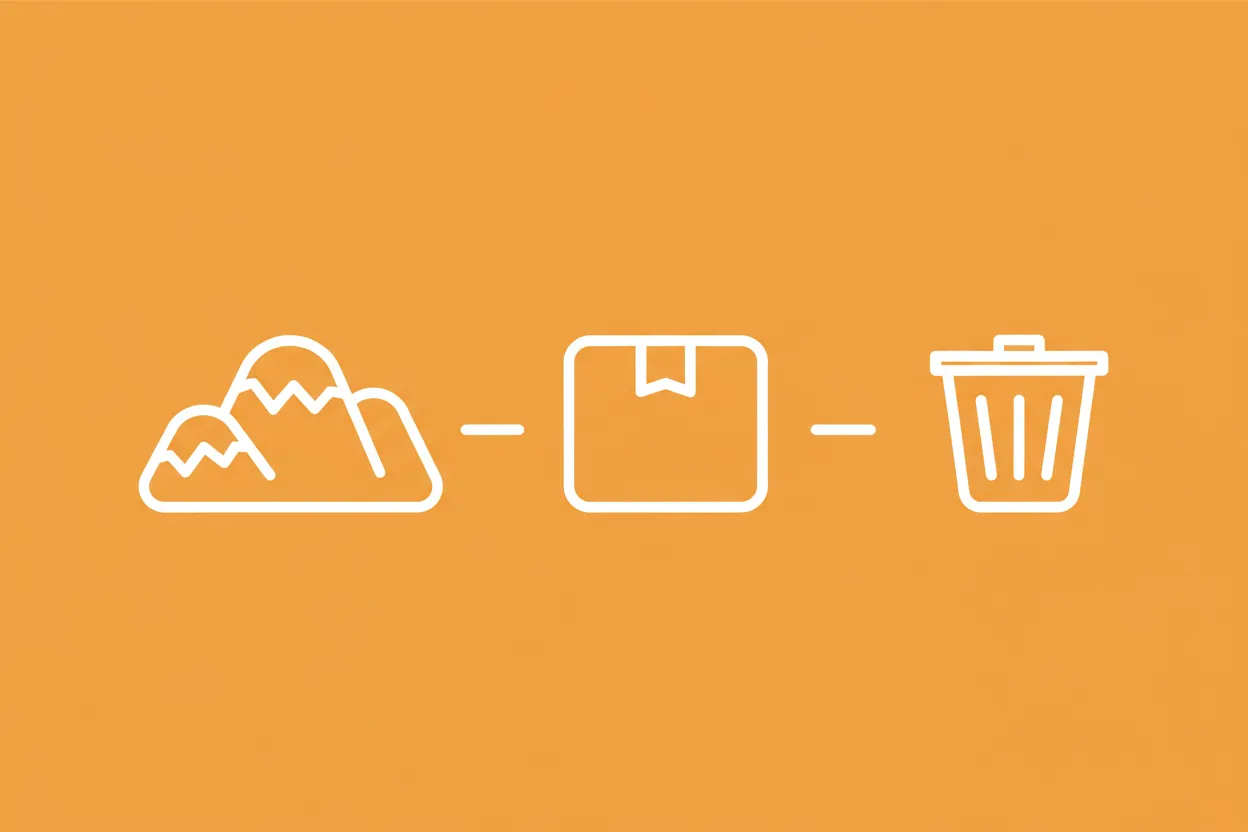
The Take-Make-Dispose (Linear Model) describes a simple way many products are made and used today. It starts by taking natural resources from the Earth, then making products, and ends by disposing of them as waste without reusing or recycling.
This model is easy to follow but causes big problems for the planet. It uses up limited resources quickly and creates a lot of waste that harms the environment.
Moving away from this one-way system toward a circular approach—where products are reused and recycled—can save resources, reduce pollution, and build a more sustainable future for everyone.
Definition: Take-Make-Dispose (Linear Model)
The Take-Make-Dispose model describes how many products are made and used today. It starts by taking natural resources from the Earth, then making products from these materials, and finally disposing of the products as waste once they are no longer useful. This process follows a straight line without reusing or recycling.
The Take-Make-Dispose model follows a straight line without reusing or recycling. It starts by taking natural resources, then making products, and finally disposing of them as waste.
For example, when you buy a plastic bottle, it’s made by taking oil from the ground (take), shaping it into a bottle (make), and after you finish the drink, you often throw the bottle away (dispose). This single-use approach is common but creates a lot of waste and uses up resources quickly.
Common misunderstandings about the take-make-dispose system
Have you ever wondered if the take-make-dispose way of producing and using things really works well? Many people assume it’s the best and simplest method. But this model hides some important problems that affect both the environment and the economy.
Some think this approach is cost-effective because it’s easy to follow: take resources, make products, and throw them away after use. However, this system depends on using up limited natural materials, which can lead to shortages and price changes. These ups and downs create economic risks that aren’t always obvious at first glance.
People often believe recycling can solve the environmental damage caused by this system. While recycling helps, it doesn’t stop the ongoing waste and resource use that harm nature. The system’s reliance on constantly extracting new resources continues to put pressure on ecosystems.
The linear model seems simple and efficient, but hidden costs add complexity over time. Waste management, environmental cleanup, and resource depletion all contribute to long-term problems that the model doesn’t address. Recognizing these misconceptions opens the door to better, circular solutions that keep materials in use longer.
7 examples on how products follow a one-way path
Here are some common examples where products are designed to be used once or for a short time before being thrown away:
- Plastic packaging: Often designed for single use, plastic packaging ends up as waste rather than being recycled. This creates a large environmental burden.
- Fast fashion clothing: Made quickly and cheaply, these clothes are worn only a few times before disposal. Most are not designed to be repaired or recycled.
- Disposable coffee cups: Usually lined with plastic, these cups are difficult to recycle and are discarded after one use. This leads to vast amounts of waste.
- Electronics: Devices like smartphones often have parts that are hard to separate, making recycling complex. Many are replaced instead of repaired.
- Food containers: Single-use containers are thrown away after one meal. They often end up in landfills or as litter.
- Batteries: Many batteries are discarded improperly, causing environmental harm. They contain materials that could be recovered.
- Printed paper: Flyers and magazines are used briefly and then thrown out, contributing to waste if not recycled.
In contrast, some products are designed to last longer, be repaired, or recycled, reducing waste and resource use. This shift helps protect the environment and supports a more sustainable future.
Terms related to traditional production and waste systems
Many products follow a path that often leads to landfills instead of being reused or recycled.
- Circular Economy – A system that keeps materials in use for as long as possible, reducing waste and saving resources.
- Resource Efficiency – Using materials wisely to get the most value while minimizing waste and environmental impact.
- Waste Management – The collection, transport, and disposal or recycling of waste to reduce harm to the environment.
- Sustainable Production – Making goods in ways that protect the environment and conserve resources for the future.
- Life Cycle Assessment – A method to evaluate the environmental impact of a product from creation to disposal.
- Eco-Design – Designing products with minimal environmental impact, focusing on reuse and recycling.
- Industrial Ecology – Studying how industries can work like natural ecosystems, where waste from one process becomes input for another.
Frequently asked questions on the take-make-dispose (linear) model
This section answers common questions about how the linear model affects our resources and environment.
What is the impact of the take-make-dispose model on resource efficiency?
The linear model wastes many resources because products are made, used, and then thrown away instead of being reused or recycled. This leads to higher demand for raw materials and loss of valuable materials in waste.
How does the take-make-dispose model affect waste management?
It creates large amounts of waste that often end up in landfills or incinerators. This makes managing waste more difficult and costly, and can harm the environment through pollution.
Can sustainable production work in a take-make-dispose system?
Sustainable production is hard in this system because products aren’t designed to be reused or recycled. The model focuses on quick consumption rather than long-lasting, repairable goods.
How does eco-design relate to the linear model?
Eco-design is about creating products that are easier to recycle, repair, or reuse. The linear model doesn’t encourage eco-design, since products are meant to be disposed of after use.
What role does life cycle assessment play in evaluating the linear model?
Life cycle assessment helps measure the environmental impact of products from raw material extraction to disposal. It shows that the linear model often has a higher environmental footprint compared to circular alternatives.
How is the concept of cradle to cradle different from take-make-dispose?
Cradle to cradle means designing products so all materials can be reused indefinitely, unlike the linear model where materials are lost after disposal. It promotes a circular economy rather than waste.
How does industrial ecology offer solutions to problems in the linear model?
Industrial ecology looks at industries like ecosystems, where waste from one process becomes input for another. This idea helps reduce waste and supports circular practices beyond the linear take-make-dispose approach.
