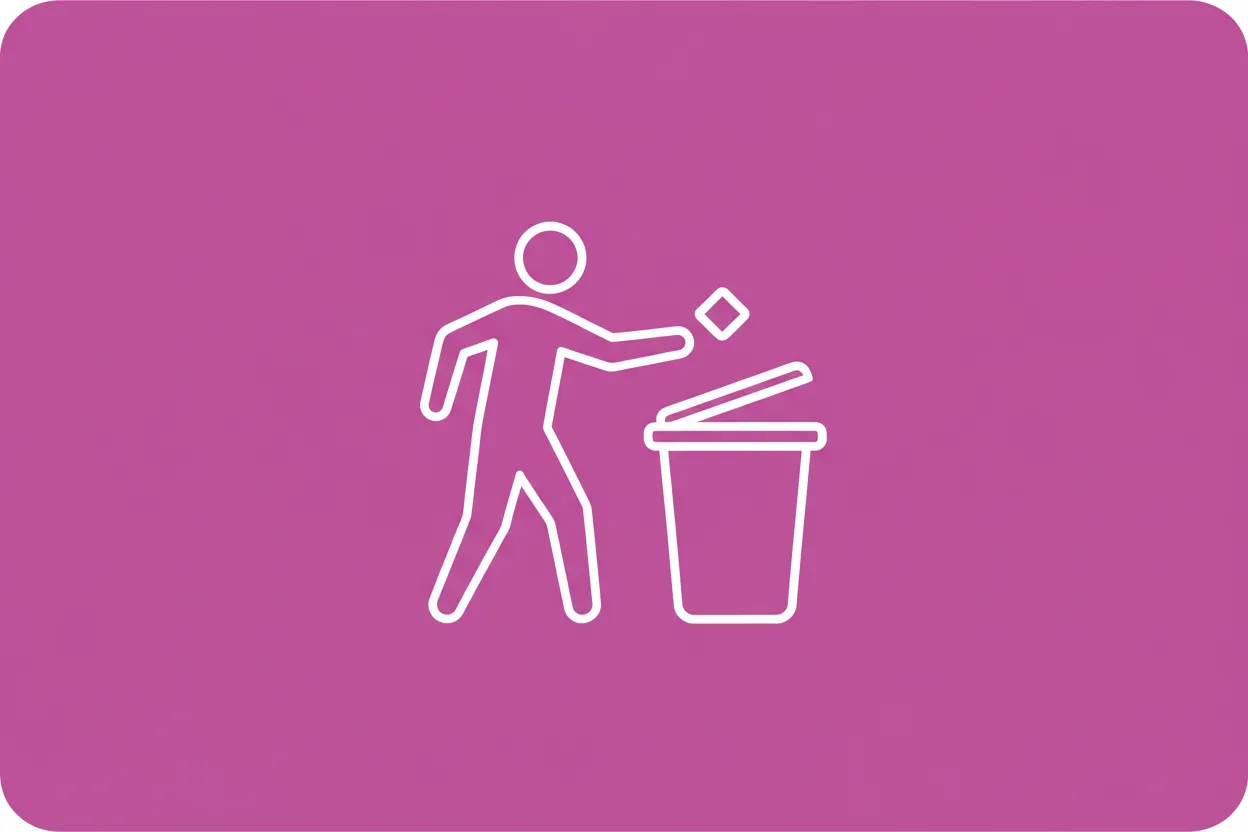
The Triman logo is a symbol used in Europe that shows a product or its packaging should be sorted and recycled. It looks like a person throwing something into a recycling bin, helping people know where to put their waste.
This simple logo plays a big role in reducing confusion about recycling. Many people want to recycle but aren’t sure how, so the Triman logo gives clear guidance on sorting waste correctly.
By making recycling easier to understand, the Triman logo supports a circular economy where materials are reused and kept out of landfills. Seeing this symbol encourages everyone to help protect the environment through better recycling habits.
Definition: Triman logo
The Triman logo is a recycling symbol used in Europe to show that a product or its packaging should be sorted and recycled. It looks like a person throwing something into a recycling bin, reminding consumers to place the item in the right recycling container instead of regular trash.
The Triman logo reminds consumers to place items in the right recycling container instead of regular trash. It shows that a product or packaging should be sorted and recycled.
For example, when you see the Triman logo on a plastic bottle, it signals that you should not toss it in the garbage but put it in the recycling bin. This helps keep recyclable materials separate and clean, making it easier for recycling plants to turn them into new products.
How the Triman logo became a key recycling symbol in France
Have you noticed a special logo on some packaging in France? This logo helps people know which products can be recycled. It was created to make sorting waste easier and improve recycling habits.
The idea started at the 2007 Grenelle Environmental Forum, where leaders wanted a simple symbol for recyclable items. By 2015, the Triman logo became mandatory on all recyclable packaging sold to consumers. It shows a person surrounded by three arrows, symbolizing the sorting process in recycling.
In 2022, new rules added clearer sorting instructions next to the logo. This helps consumers know exactly how to dispose of their waste properly. These updates support France’s goal of a strong circular economy.
The Triman logo is more than a mark—it's a tool for better recycling. It guides consumers toward sustainable waste habits.
6 examples on how to identify recyclable packaging
Here are some clear signs to look for on packaging that show it can be recycled or needs special handling:
- Green Dot: This symbol means the producer contributes to recycling costs. It doesn’t always mean the packaging itself is recyclable.
- Mobius Loop: A triangle of arrows showing the item is recyclable. Sometimes it includes a percentage indicating how much recycled material is used.
- Tidyman: A little figure throwing trash in a bin encourages proper disposal. It’s about keeping waste out of the environment.
- Glass recycling symbol: Usually a bottle with arrows, indicating glass packaging is accepted by local recycling programs.
- Plastic resin codes: Numbers inside a triangle that identify plastic types. Some plastics recycle easily; others don’t.
- Compostable logo: Shows that the packaging breaks down naturally in composting facilities rather than traditional recycling.
Not all symbols guarantee the packaging will be recycled where you live. Local recycling rules and facilities vary, so it’s important to check what your community accepts.
Terms related to recycling and waste management symbols
Many countries use specific symbols to help consumers sort waste properly and support recycling efforts.
- Recycling symbol: A triangle of arrows indicating that a product or packaging can be recycled.
- Eco-label: A mark that shows a product meets certain environmental standards.
- Circular economy: A system designed to keep materials in use for as long as possible, reducing waste.
- Waste sorting: The process of separating waste types to improve recycling efficiency.
- Sustainable packaging: Packaging designed to minimize environmental impact through materials and design.
- Extended Producer Responsibility (EPR): A policy that makes producers responsible for the entire lifecycle of their products, including disposal.
Frequently asked questions on the Triman logo
The Triman logo helps guide consumers on how to sort and recycle products properly.
What does the Triman logo mean for waste sorting?
The Triman logo tells you that the product or packaging should be sorted for recycling, helping reduce waste sent to landfills.
How does the Triman logo support the circular economy?
By encouraging recycling, the Triman logo helps keep materials in use longer, supporting a circular economy where resources are reused instead of thrown away.
Is the Triman logo part of European waste regulations?
Yes, the Triman logo is required by French law and supports wider European goals to improve recycling and waste management.
How does the Triman logo relate to sustainable packaging?
The logo promotes packaging designed to be recyclable, encouraging brands to use materials that are easier to sort and recycle.
Does the Triman logo increase consumer awareness about recycling?
Yes, it helps consumers easily identify recyclable items, making it simpler to participate in recycling programs.
What role does the Triman logo play in product lifecycle management?
It signals producers to consider recycling and reuse at the design stage, improving the product’s environmental impact throughout its lifecycle.
