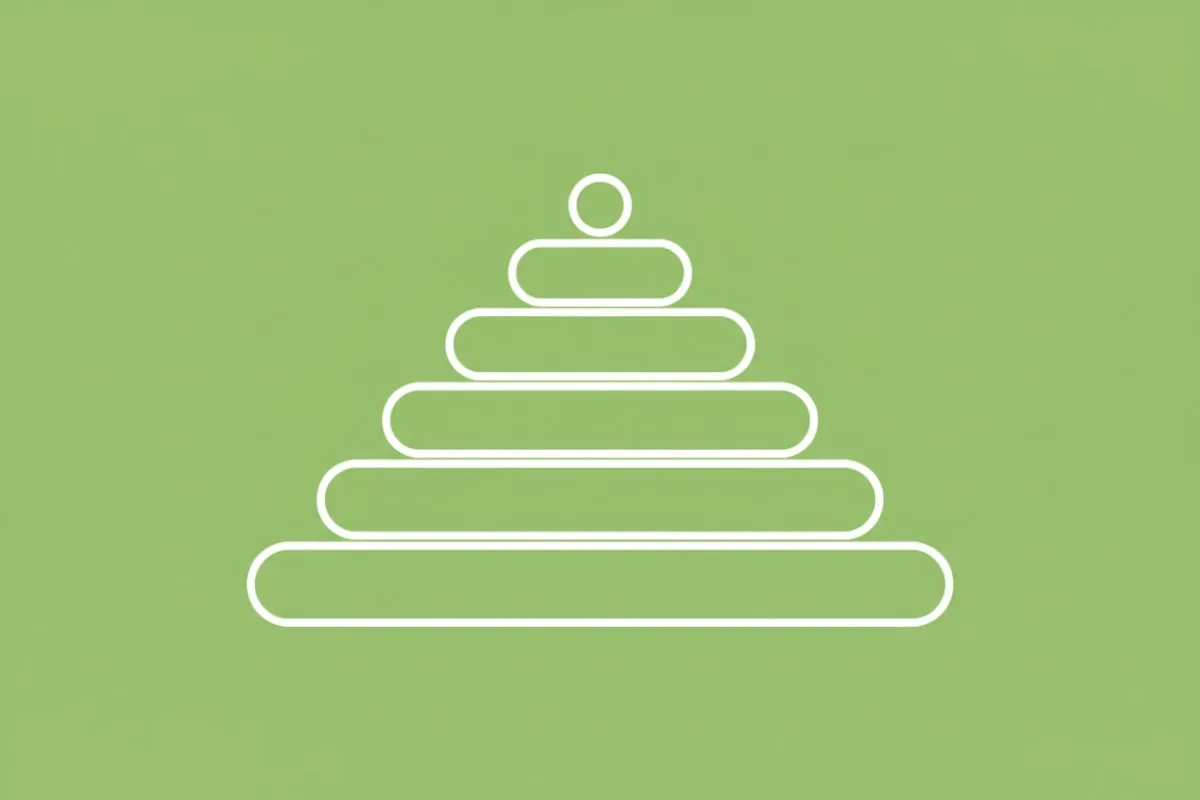
The waste hierarchy is a simple guide that ranks ways to manage waste by how well they protect the environment, encouraging actions like preventing waste, reusing items, recycling materials, recovering energy, and disposing as a last resort.
More than half of the waste we create can be prevented, saving resources and energy by using less in the first place. Prioritizing prevention and reuse helps keep materials in use longer and reduces pollution more than recycling or disposal alone.
European countries follow the waste hierarchy in laws to meet environmental goals, showing waste is not just trash but a valuable resource. By choosing to prevent, reuse, or recycle, each of us can help build a circular economy and protect nature for the future.
Definition: waste hierarchy
The waste hierarchy ranks ways to handle waste by how much they protect the environment, putting prevention and reuse at the top because they reduce waste before it happens. Recycling, recovery, and disposal come next, with disposal being the least preferred since it wastes resources and harms nature.
The waste hierarchy prioritizes actions that reduce waste before it happens. It ranks waste management options by their environmental benefits.
For example, choosing to buy only what you need (prevention), fixing a broken item instead of throwing it away (reuse), and recycling materials like paper or glass helps keep resources in use longer and reduces pollution. This way, less waste ends up in landfills, and natural resources are saved.
Clearing up myths about the waste management ladder
Have you ever wondered if recycling is always the best way to handle waste? Many people think recycling is the top solution, but the waste management ladder shows there's more to consider. It actually starts with stopping waste before it’s made.
The waste management ladder guides us to first prevent waste, then reuse, recycle, recover energy, and finally dispose. This order helps save resources and reduce environmental impact. Some ideas, like energy recovery being equal to recycling, don’t reflect the ladder’s priorities. Recycling keeps materials in use longer, while energy recovery uses them up faster.
Not all waste can be recycled easily; some materials get too dirty or complicated. Also, incineration, or burning waste, isn’t as green as it seems and can harm the environment more than recycling. Focusing on preventing waste altogether is proven possible and makes the biggest difference.
By sorting facts from fiction, we can follow the waste management ladder better and support a more circular, sustainable future.
5 examples on reducing and managing waste effectively
Here are some practical ways to handle waste that prioritize prevention and reuse before disposal:
- Refuse: Saying no to unnecessary packaging or single-use items reduces waste before it starts. This helps lower the overall amount of materials needing disposal or recycling.
- Reduce: Buying only what you need and choosing products with less packaging minimizes waste generation. This step saves resources and energy used in production.
- Reuse: Using containers, bags, or clothes multiple times extends their life and cuts down on new purchases. It’s a simple way to keep materials in use longer.
- Recycle: Processing materials like paper, glass, and plastic into new products recovers value and reduces landfill use. Proper sorting at home supports effective recycling.
- Recover: Converting waste into energy through processes like incineration captures value from materials that can’t be reused or recycled. This reduces reliance on fossil fuels.
While recycling and recovery are important, preventing waste by refusing, reducing, and reusing has the biggest environmental benefits. Recycling alone can’t solve the waste problem if we keep creating more than can be managed.
Common terms linked to managing materials responsibly
Many strategies aim to reduce environmental impact by handling materials more thoughtfully.
| Term | Description |
|---|---|
| Circular Economy | A system where products are reused, repaired, and recycled to keep materials in use longer. |
| Extended Producer Responsibility (EPR) | A policy approach where producers are responsible for the entire lifecycle of their products, especially disposal and recycling. |
| Recycling | The process of turning waste materials into new products to save resources and reduce landfill. |
| Waste Reduction | Actions taken to minimize the amount of waste generated in the first place. |
| Reuse | Using items again in their original form instead of throwing them away. |
Frequently asked questions on the waste hierarchy
The waste hierarchy helps us manage waste in the most environmentally friendly way.
What is the waste hierarchy?
The waste hierarchy ranks waste management practices from best to worst: prevent, reuse, recycle, recover, and dispose. It guides us to reduce waste and protect the environment.
How does extended producer responsibility (EPR) fit in?
EPR shifts the responsibility of waste management to producers, encouraging them to design products that are easier to reuse, recycle, or dispose of sustainably.
Why is waste prevention important?
Preventing waste means designing, producing, and consuming less waste from the start. It saves resources, reduces pollution, and supports a circular economy.
What role does recycling play?
Recycling turns waste materials into new products, conserving natural resources and reducing the need for landfill or incineration.
How does reuse contribute to sustainability?
Reusing products or materials extends their life, reducing the demand for new resources and lowering environmental impact.
What is resource efficiency in waste management?
Resource efficiency means using materials wisely to get the most value with the least waste, helping conserve resources and reduce environmental harm.
