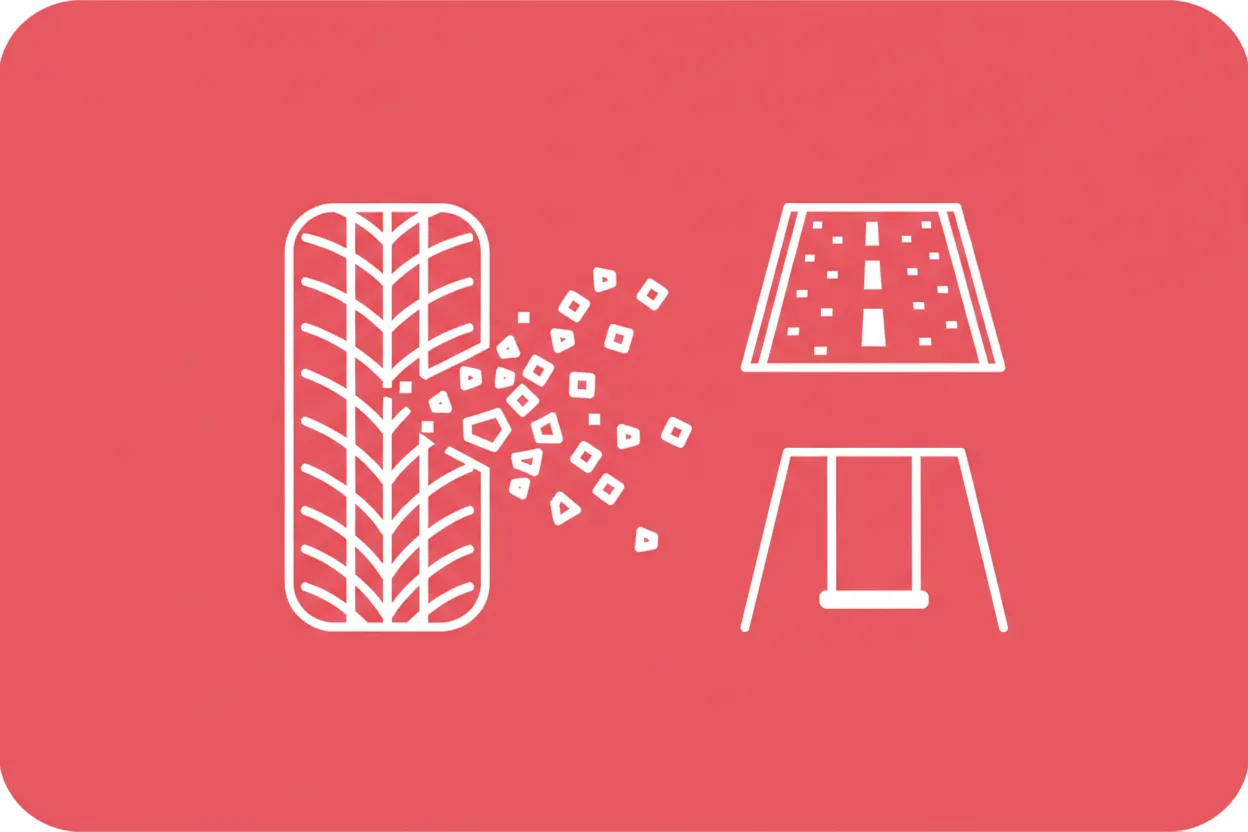
When a car’s tyres reach the end of their life, they don’t just disappear—they can be given a whole new purpose. Tyre recovery (ELV) is all about taking those worn-out tyres from end-of-life vehicles and turning them into useful materials or energy instead of letting them go to waste.
Think about a tyre shredded and used to build roads or recycled into playground surfaces. This process not only saves space in landfills but also conserves natural resources and cuts pollution. When old tyres find a second life, everyone benefits—communities, the environment, and the economy alike.
Many tyres could still end up as trash, but with better collection and recycling efforts, their value shines through. Tyre recovery (ELV) shows how waste can be turned into resources, supporting a cleaner, greener future where nothing useful is thrown away.
Definition: tyre recovery (ELV)
Tyre recovery is the process of collecting and reusing tyres from end-of-life vehicles, turning worn-out tyres into valuable materials or energy. This method supports environmental protection by reducing waste and conserving resources through recycling, energy use, or civil engineering applications.
Tyre recovery (ELV) turns worn-out tyres into valuable materials or energy. It supports environmental protection by reducing waste and conserving resources.
For example, when a car reaches the end of its life, its tyres are removed and either shredded for use in building roads or recycled into new rubber products. This way, the tyres don’t just become trash but instead help save natural resources and reduce pollution. Wouldn’t it be great if all old tyres got a second life like this?
Clearing up common myths about tyre recycling and recovery
Ever wonder if tyre recycling is as effective as it seems? Many believe that high recycling rates mean tyres are fully recycled, but the reality is more complex. Not all recycling methods deliver the same environmental benefits, which can affect the overall impact.
Some figures include energy recovery, like burning tyres for fuel, which doesn’t reduce the need for new materials. True material recycling, where rubber is reused in new products, supports circularity by keeping materials in use longer. Unfortunately, challenges like mixed materials in tyres and uneven regulations make recycling tricky in some places.
Is tyre recycling just an environmental concern? Actually, it also supports the economy by supplying valuable materials to industries like construction. Plus, it’s not only manufacturers’ job—consumers and policymakers must work together for better recycling systems.
Tyre recovery works best when everyone plays a part, from product design to proper disposal. Taking a team approach helps turn waste into resources, boosting sustainability and circular economy goals.
6 examples on circular solutions for vehicle material reuse
Here are some practical ways to manage and reuse materials from old vehicles, focusing on keeping resources in use and reducing waste:
- Rubber grinding: This process turns used tyres into crumb rubber, a key material for new products like playground surfaces and sports tracks.
- Pyrolysis: A method that heats tyres without oxygen to recover oil, gas, and carbon black, contributing to resource recovery.
- Retreading: Extends the life of tyres by replacing worn tread, reducing the need for new tyre production and waste.
- Material sorting: Separating metals, plastics, and rubber from end-of-life vehicles ensures each material can be recycled effectively.
- Energy recovery: Using tyre-derived fuel in cement kilns replaces fossil fuels and recovers energy from waste tyres.
- Product manufacturing: Incorporating recycled tyre materials into new products like mats, insulation, or shoe soles supports circular material flows.
While these solutions highlight effective reuse and recycling, many tyres still end up in landfills or illegal dumps. Increasing producer responsibility and better collection systems can shift this balance toward sustainability.
Terms related to end-of-life vehicle and tire recycling
Many countries have laws that require producers to take responsibility for the waste generated by their products, especially when it comes to vehicles and tires.
| Term | Description |
|---|---|
| Extended Producer Responsibility (EPR) | A policy approach where manufacturers are responsible for the entire lifecycle of their products, including disposal. |
| Material Recovery Facility (MRF) | A plant where waste materials are sorted and prepared for recycling. |
| Rubber Devulcanization | A process that breaks down used rubber to be reused in new products. |
| Vehicle Dismantling | The process of taking apart vehicles to recover usable parts and materials. |
| Circular Economy | An economic system focused on reusing resources and minimizing waste. |
| Landfilling | The disposal of waste by burying it, which is less sustainable for tires and vehicles. |
| Mechanical Recycling | Using physical methods like shredding to recycle materials, including tires. |
| Environmental Compliance | Adhering to laws and regulations that protect the environment during waste management. |
| Tire-derived Fuel (TDF) | Using shredded tires as a fuel source in certain industrial processes. |
| Polymer Recovery | Extracting and reprocessing plastics and rubber from waste for new uses. |
Frequently asked questions on tyre recovery and end-of-life vehicles (ELV)
Here are some common questions about tyre recovery and ELV recycling with simple, clear answers.
What is end-of-life vehicle (ELV) recycling?
ELV recycling means safely taking apart old cars to reuse parts and materials, like metal and plastic, reducing waste and saving resources.
How is waste tire management handled?
Waste tire management involves collecting old tires, then recycling or recovering materials to prevent pollution and reduce landfill use.
Why is circular economy important in the automotive industry?
The circular economy helps cars and tires stay in use longer by recycling materials, which reduces waste and the need for new resources.
What technologies are used for material recovery and recycling?
Technologies like shredding, grinding, and chemical recycling help break down tires and car parts to recover valuable materials for reuse.
How does sustainable waste management apply to tires and ELVs?
Sustainable waste management means handling old tires and vehicles in ways that protect the environment and conserve resources for future use.
What environmental impacts come from improper tire disposal?
Throwing tires away carelessly can cause fires, release harmful chemicals, and create breeding grounds for pests, harming both people and nature.
What laws regulate ELV and tire disposal?
Many countries have laws requiring producers to manage end-of-life vehicles and tires responsibly to ensure recycling and reduce environmental harm.
